Hackers Leak 5.1 Million Panera Bread Records
ShinyHunters has claimed the theft of 14 million records from the US bakery-cafe chain’s systems.
The post Hackers Leak 5.1 Million Panera Bread Records appeared first on SecurityWeek.
ShinyHunters has claimed the theft of 14 million records from the US bakery-cafe chain’s systems.
The post Hackers Leak 5.1 Million Panera Bread Records appeared first on SecurityWeek.
Domains set up by the threat actor suggest attacks aimed at Atlassian, Canva, Epic Games, HubSpot, Moderna, ZoomInfo, and WeWork.
The post Over 100 Organizations Targeted in ShinyHunters Phishing Campaign appeared first on SecurityWeek.
Crunchbase was targeted alongside SoundCloud and Betterment in a ShinyHunters campaign.
The post Crunchbase Confirms Data Breach After Hacking Claims appeared first on SecurityWeek.
The WorldLeaks cybercrime group claims to have stolen information from the footwear and apparel giant’s systems.
The post Nike Probing Potential Security Incident as Hackers Threaten to Leak Data appeared first on SecurityWeek.
Under Armour is investigating a recent data breach that purloined customers’ email addresses and other personal information.
The post Under Armour Looking Into Data Breach Affecting Customers’ Email Addresses appeared first on SecurityWeek.
The compromised personal information includes names, dates of birth, Social Security numbers, and employment-related data.
The post 42,000 Impacted by Ingram Micro Ransomware Attack appeared first on SecurityWeek.
The incident impacted the personal information of CIRO member firms and their registered employees.
The post 750,000 Impacted by Data Breach at Canadian Investment Watchdog appeared first on SecurityWeek.
Hackers stole patients’ personal, treatment, and health insurance information from the organization’s IT systems.
The post Central Maine Healthcare Data Breach Impacts 145,000 Individuals appeared first on SecurityWeek.
Hackers stole the personal and reservation information of people with a Eurail pass and those who made a seat reservation with the company.
The post Traveler Information Stolen in Eurail Data Breach appeared first on SecurityWeek.
A threat actor breached Betterment’s systems, accessed customer information, and sent scam crypto-related messages.
The post Robo-Advisor Betterment Discloses Data Breach appeared first on SecurityWeek.
The law firm Fried Frank seems to be informing high-profile clients about a recent data security incident.
The post After Goldman, JPMorgan Discloses Law Firm Data Breach appeared first on SecurityWeek.
Hackers stole complete customer information, including contact details, national identity numbers, and payment details.
The post Spanish Energy Company Endesa Hacked appeared first on SecurityWeek.
After a recent data breach that affected Pornhub Premium members, Pornhub has updated its online statement to warn users about potential direct contact from cybercriminals.
“We are aware that the individuals responsible for this incident have threatened to contact impacted Pornhub Premium users directly. You may therefore receive emails claiming they have your personal information. As a reminder, we will never ask for your password or payment information by email.”
Pornhub is one of the world’s most visited adult video-sharing websites, allowing users to view content anonymously or create accounts to upload and interact with videos.
Pornhub has reported that on November 8, 2025, a security breach at third-party analytics provider Mixpanel exposed “a limited set of analytics events for certain users.” Pornhub stressed that this was not a breach of Pornhub’s own systems, and said that passwords, payment details, and financial information were not exposed.
Mixpanel confirmed it experienced a security incident on November 8, 2025, but disputes that the Pornhub data originated from that breach. The company stated there is:
“No indication that this data was stolen from Mixpanel during our November 2025 security incident or otherwise.”
Regardless of the source, cybercriminals commonly attempt to monetize stolen user data through direct extortion. At the moment, it is unclear how many users are affected, although available information suggests that only Premium members had their data exposed.
In October, we reported that one in six mobile users are targeted by sextortion scams. Sextortion is a form of online blackmail where criminals threaten to share a person’s private, nude, or sexually explicit images or videos unless the victim complies with their demands—often for more sexual content, sexual favors, or money.
Having your email address included in a dataset of known Pornhub users makes you a likely target for this type of blackmail.
Unless you used a dedicated throwaway email address to sign up for Pornhub Premium, you should be prepared to receive a sextortion-type email. If one arrives:
Use STOP, our simple scam response framework to help protect against scams.
Should you have doubts about the legitimacy of any communications, submit them to Malwarebytes Scam Guard. It will help you determine whether it’s a scam and provide advice on how to act.
We don’t just report on threats—we help safeguard your entire digital identity
Cybersecurity risks should never spread beyond a headline. Protect your, and your family’s, personal information by using identity protection.
After a recent data breach that affected Pornhub Premium members, Pornhub has updated its online statement to warn users about potential direct contact from cybercriminals.
“We are aware that the individuals responsible for this incident have threatened to contact impacted Pornhub Premium users directly. You may therefore receive emails claiming they have your personal information. As a reminder, we will never ask for your password or payment information by email.”
Pornhub is one of the world’s most visited adult video-sharing websites, allowing users to view content anonymously or create accounts to upload and interact with videos.
Pornhub has reported that on November 8, 2025, a security breach at third-party analytics provider Mixpanel exposed “a limited set of analytics events for certain users.” Pornhub stressed that this was not a breach of Pornhub’s own systems, and said that passwords, payment details, and financial information were not exposed.
Mixpanel confirmed it experienced a security incident on November 8, 2025, but disputes that the Pornhub data originated from that breach. The company stated there is:
“No indication that this data was stolen from Mixpanel during our November 2025 security incident or otherwise.”
Regardless of the source, cybercriminals commonly attempt to monetize stolen user data through direct extortion. At the moment, it is unclear how many users are affected, although available information suggests that only Premium members had their data exposed.
In October, we reported that one in six mobile users are targeted by sextortion scams. Sextortion is a form of online blackmail where criminals threaten to share a person’s private, nude, or sexually explicit images or videos unless the victim complies with their demands—often for more sexual content, sexual favors, or money.
Having your email address included in a dataset of known Pornhub users makes you a likely target for this type of blackmail.
Unless you used a dedicated throwaway email address to sign up for Pornhub Premium, you should be prepared to receive a sextortion-type email. If one arrives:
Use STOP, our simple scam response framework to help protect against scams.
Should you have doubts about the legitimacy of any communications, submit them to Malwarebytes Scam Guard. It will help you determine whether it’s a scam and provide advice on how to act.
We don’t just report on threats—we help safeguard your entire digital identity
Cybersecurity risks should never spread beyond a headline. Protect your, and your family’s, personal information by using identity protection.

South Korean law enforcement has arrested four suspects linked to the breach of approximately 120 000 IP cameras installed in private homes and commercial spaces — including karaoke lounges, pilates studios, and a gynecology clinic. Two of the hackers sold sexually explicit footage from the cameras through a foreign adult website. In this post, we explain what IP cameras are, and where their vulnerabilities lie. We also dive into the details of the South Korea incident and share practical advice on how to avoid becoming a target for attackers hunting for intimate video content.
An IP camera is a video camera connected to the internet via the Internet Protocol (IP), which lets you view its feed remotely on a smartphone or computer. Unlike traditional CCTV surveillance systems, these cameras don’t require a local surveillance hub — like you see in the movies — or even a dedicated computer to be plugged into. An IP camera streams video directly in real time to any device that connects to it over the internet. Most of today’s IP camera manufacturers also offer optional cloud storage plans, letting you access recorded footage from anywhere in the world.
In recent years, IP cameras have surged in popularity to become ubiquitous, serving a wide range of purposes — from monitoring kids and pets at home to securing warehouses, offices, short-term rental apartments (often illegally), and small businesses. Basic models can be picked up online for as little as US$25–40.
You can find a Full HD IP camera on an online marketplace for under US$25 — affordable prices have made them incredibly popular for both home and small business use
One of the defining features of IP cameras is that they’re originally designed for remote access. The camera connects to the internet and silently accepts incoming connections — ready to stream video to anyone who knows its address and has the password. And this leads to two common problems with these devices.
Let’s rewind to what unfolded this fall in South Korea. Law-enforcement authorities reported a breach of roughly 120 000 IP cameras, and the arrest of four suspects in connection with the attacks. Here’s what we know about each of them.
The astute reader may have noticed the numbers don’t quite add up — the figures above totaling well over 120 000. South Korean law enforcement hasn’t provided a clear explanation for this discrepancy. Journalists speculate that some of the devices may have been compromised by multiple attackers.
The investigation has revealed that only two of the accused actually sold the sexual content they’d stolen. However, the scale of their operation is staggering. Last year, the website hosting voyeurism and sexual exploitation content — which both perpetrators used to sell their videos — received 62% of its uploads from just these two individuals. In essence, this video enthusiast duo supplied the majority of the platform’s illegal content. It’s also been reported that three buyers of these videos were detained.
South Korean investigators were able to identify 58 specific locations of the hacked cameras. They’ve notified the victims and provided guidance on changing the passwords to secure their IP cameras. This suggests — although the investigators haven’t disclosed any details about the method of compromise — that the attackers used brute-forcing to crack the cameras’ simple passwords.
Another possibility is that the camera owners, as is often the case, simply never changed the default usernames and passwords. These default credentials are frequently widely known, so it’s entirely plausible that to gain access the attackers only needed to know the camera’s IP address and try a handful of common username and password combinations.
The takeaways from this whole South Korean dorama drama are straight from our playbook:
These rules are universal: they apply just as much to your social media and banking accounts as they do to your robot vacuums, IP cameras, and every other smart device in your home.
To keep all those unique passwords organized without losing your mind, we strongly recommend a reliable password manager. Kaspersky Password Manager can both store all your credentials securely and generate truly random, complex, and uncrackable passwords for you. With it, you can be confident that no one will guess the passwords to your accounts or devices. Plus, it helps you generate one-time codes for two-factor authentication, save and autofill passkeys, and sync your sensitive data — not just logins and passwords, but also bank card details, documents, and even private photos — in encrypted form across all your devices.
Wondering if a hidden camera is filming you? Read more in our posts:


The month of June is a time for fun in the sun and a break from the school year, but did you know it’s also the perfect time to step up your family’s online security? June is Internet Safety Month, a yearly reminder to strengthen your defenses against online threats. In today’s hyper-connected world, we use the internet for just about everything, from shopping to banking to streaming and work. That goes for your kids as well. Many of their favorite activities, including gaming and connecting with friends on social media, are connected to the internet. While all this access means added convenience, it also means constant threats to your family’s online safety.
From phishing scams to malware, hackers are constantly looking for ways to exploit weaknesses in cybersecurity systems and software. Their goal is always the same: to get access to personal data and use it for profit. The rising numbers tell the story. In 2024, the FBI’s Internet Crime Complaint Center (IC3) received more than 850,000 cybercrime complaints, with reported losses exceeding $10.3 billion. This is partly due to the increase in data breaches. Studies show that 51% of Americans report they’ve been victims of a data breach, and 64% say they’ve changed their online behavior for fear of escalating online threats like ransomware and identity theft.
It’s not just adults getting targeted online. Children and teens are increasingly exposed to scams (even extortion scams), cyberbullying, and inappropriate content—especially during summer when screen time surges. A recent Pew Research study found that 45% of teens are online almost constantly. So how do you let your kids enjoy their screens safely? Webroot Total Protection and Webroot Essentials offer parental controls that make it easy to manage your children’s online activity and content access. You can block specific websites, filter out inappropriate content and set daily limits on computer time. You can also monitor what sites your kids visit and interact with, and even tailor different levels of protection for each child. Whether your kids are watching YouTube, chatting on Discord, or gaming with friends, it’s a simple way to keep them safe without having to hover over them every time they’re online.
As we spend more time on our mobile devices, cybercriminals are following suit. A recent security report shows that 70% of fraud is now carried out through mobile channels. From phones and tablets to laptops, the mobile devices your family relies on daily are brimming with personal data. Now more than ever, we need to take steps to protect ourselves and our family. Webroot Essentials provides multi-device protection with real-time threat intelligence. Whether you’re on Android, iOS, Windows or Mac, all the devices in your household are constantly safeguarded against the latest online threats.
Are you still using passwords like your dog’s name and 123? And what about your kids? Chances are their Roblox passwords aren’t as tough to hack as they should be. If there’s one weak link in most people’s security, it’s their passwords. Cybercriminals know that, and they’re taking full advantage. In fact, the 2025 Verizon Data Breach Investigations Report found 81% of data breaches were caused by compromised passwords. Here are some tips to keep all your family’s passwords secure.
It’s important to stay aware of the latest online threats. Social engineering scams are designed to gain your trust and then trick you into sharing sensitive details by clicking on fake links or downloading malicious software. The most common type of social engineering is phishing. In a phishing attack, hackers pretend to be someone you trust and use fraudulent emails, texts and websites to try and steal personal information.
Scammers often use phishing to target children. They pose as friends, influencers, or game platforms to trick them into clicking fake links and handing over details like credit card numbers. These scams often start with an offer of an exciting reward or a prize. Take some time to talk with your kids about these common scams.
Home security means more than just deadbolts and alarms. With smart TVs, video doorbells, and wireless thermostats, our homes are more connected than ever. While all these Internet of Things (IoT) devices making our lives more convenient, each one is a potential entry point for hackers. Webroot Secure VPN provides encrypted connections for safe browsing at home. When your family is on the go, it protects your online privacy on unsecured networks and shields your personal information from cyberthieves.
Cybercriminals never take a break and neither should you. Internet Safety Month is the perfect opportunity to step up the digital safety of your entire household. And remember – online security isn’t just an annual event. Your sensitive data deserves year-round protection, and you can get it with family-friendly solutions from Webroot. Don’t wait for a data breach or other disaster to take action. Keep your kids safe and your data secure by strengthening your digital defenses today!
Avoiding Scams that Target Kids and Teens
Protecting Young Online Gamers
How Americans View Data Privacy
Social Security Numbers and Identity Theft
Protect Yourself from AI-Enabled Phishing
Common Types of Phishing Attacks
Defending Your Digital Identity from Evolving Threats
The post Build strong digital defenses for your entire family appeared first on Webroot Blog.

In today’s digital world, your personal data is like cold hard cash, and that’s why cyberthieves are always looking for ways to steal it. Whether it’s an email address, a credit card number, or even medical records, your personal information is incredibly valuable in the wrong hands.
For hackers, breaking into a company database is like hitting the mother lode, giving them access to millions of personal records. Why? Because whether you know it or not, many companies are collecting and storing your private data. Think about all the information you hand over when you order something online, like your full name, your credit card number, your home address, and maybe even your birthdate just to snag an extra discount. If a company you do business with becomes part of a data breach, cybercriminals may have full access to your confidential information.
Unfortunately, data breaches are on the rise and affecting more companies and consumers than ever. In 2024, more than 1.3 billion people received notices that their information was exposed in a data breach. Chances are you’ve received at least one of these letters, which means you have been put at risk for identity theft and major financial losses.
Data breaches occur when sensitive, protected, or confidential data is hacked or leaked from a company or organization. Sometimes businesses are targeted because they have outdated or weak security. While no industry is immune, some sectors are more likely to become victims of breaches because of the sensitive nature of the data they handle. Here are some of the most likely targets for access to consumer data:
The type of information stolen in data breaches varies depending on the organization, but here’s a list of the kind of data cybercriminals are seeking:
Once data is exposed in a breach, cybercriminals will test your usernames and password combinations across thousands of sites, knowing that most people recycle their emails and passwords. Here are just some of the ways hackers exploit your stolen information:
Data breaches are a fact of life in the digital world we live in, but you can protect yourself with some smart security measures. By using strong passwords, password managers, antivirus software, and identity protection plans, you can reduce your risk of becoming a victim of cybercrime, and even get help to restore your identity, your financial losses and your reputation.
It’s like putting a lock on your personal data. When it comes to your sensitive information, it’s always better to be safe than sorry.
Keeping educational systems secure
How to keep your personal data safe
Protect yourself from identity theft
Safeguarding your devices from malware
The post The danger of data breaches — what you really need to know appeared first on Webroot Blog.
![]()
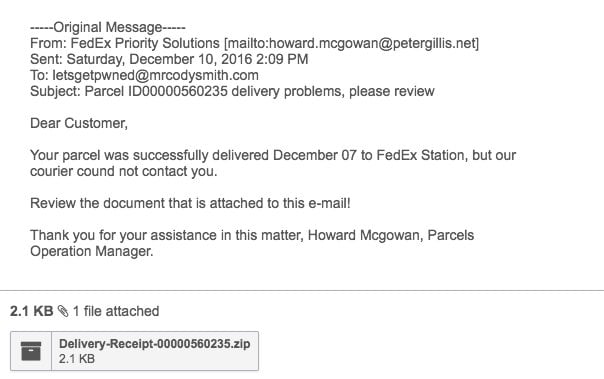
Cody Smith* // As information security professionals we’re not invincible to breaches. Even the most robust security system can’t make up for a lack of user education, which I was […]
The post My Ransomware Post-Mortem appeared first on Black Hills Information Security, Inc..
Mick Douglas // Take look at this chart from last year’s Verizon Data Breach Report. It shows who notified the breached party when they were attacked. This graph is a […]
The post A Need For A Change – or – Burning Your Money appeared first on Black Hills Information Security, Inc..