Login

OpenAI is adding invisible watermarks to ChatGPT and Codex text in the EU
OpenAI is preparing to add invisible watermarks to text generated by ChatGPT and Codex in the European Union. [...]

Google has temporarily stopped accepting product vulnerability reports through its Open Source Software Vulnerability Reward Program (OSS VRP).
The post Google Narrows Open Source Bug Bounty Amid Wave of Invalid Automated Reports appeared first on SecurityWeek.
The announcement comes after Trump hosted top executives of AI companies at the White House last week.
The post Trump Names National Intelligence Director Jay Clayton to Lead a New Federal AI Task Force appeared first on SecurityWeek.
In this post, we explore how shifting online sentiment and low-cost First-Person View (FPV) technology are creating an unprecedented airborne threat vector for critical data center infrastructure.
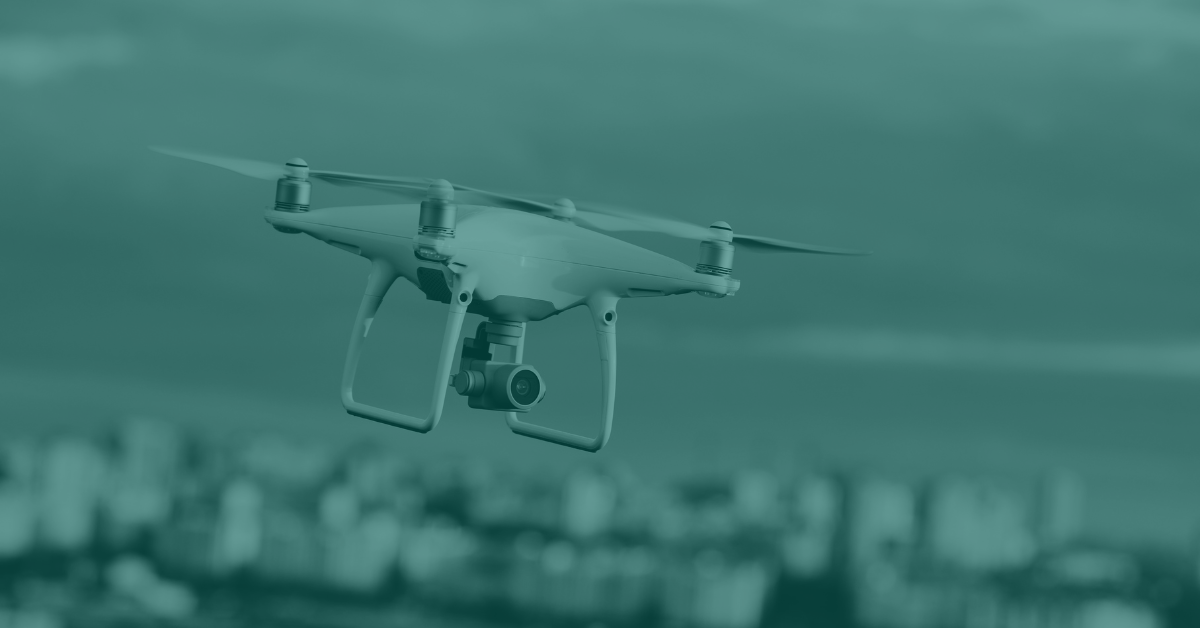
 Table Of Contents

Data centers have become a driving force in the modern digital economy—powering cloud services, global enterprise operations, and the explosive growth of artificial intelligence (AI). However, due to growing negative public discourse, data centers are facing a new physical threat vector: low-cost, payload-capable drones.
According to Flashpoint research, shifting public sentiment surrounding AI development, combined with the extreme accessibility of First-Person View (FPV) drone technology, is creating an unprecedented hybrid threat to physical critical infrastructure.
Here is what you need to know about this emerging threat landscape and what it means for physical security teams protecting critical assets.
Organizations tasked with protecting critical data infrastructure need to understand that this growing threat is not developing in a vacuum. Across both clearnet and Deep and Dark Web (DDW) forums, online discussions regarding data center expansion have intensified, with a significant portion bordering on hostility. Key drivers of negative sentiment include:
While much of the current online chatter currently revolves around organized protests and aspirational threats, Flashpoint analysts note a troubling uptick in rhetoric targeting corporate tech executives and data center infrastructure.
Data centers across the United States are seeing a rapid increase in physical and operational threats. Vandalism and property destruction have become common topics in illicit online spaces when discussing data centers and their impact on everyday life. Flashpoint research highlights two primary force multipliers driving this threat:
Historically, kinetic airborne strikes required specialized equipment and advanced training. Today, that barrier to entry has virtually collapsed. Rapid improvements in drone manufacturing have made payload-capable aircraft extraordinarily accessible. In today’s market, an individual can purchase an off-the-shelf system or assemble a customized drone for under $1,000 USD.
Inspiration for these tactics is also readily available; widespread footage of FPV drones operating in conflict zones like Ukraine has demonstrated to online audiences how easily and effectively low-cost aircrafts can be weaponized. Threat actors view this as a high-yield investment, especially given the capability to deploy multiple drones in quick succession.
Organized protests to stop data center development remain prevalent, and large crowds can easily overwhelm contracted security personnel, diminishing the effectiveness of a response to an aerial threat. A malicious actor could use a protest at a data center as cover to cause physical damage to the facility while security resources are spread thin. For example, on July 19, 2026, activists threw balloons filled with acetic acid at a data center construction site in Amsterdam. In its aftermath, Flashpoint analysts captured individuals online discussing the use of drones to deliver similar payloads.
Current federal regulations limit the ability to effectively deter or stop an incoming drone threat because the US Federal Aviation Administration (FAA) classifies drones as aircraft. Therefore, organizations specializing in the physical security of data centers will likely need to increase their operational capabilities and advise companies on potential hardening to deter attacks.
Traditional foot patrols and monitoring perimeter access control points will be insufficient in mitigating overhead threats. The majority of data centers are currently not equipped with the specialized Counter-Unmanned Aircraft Systems (C-UAS) equipment, specialized training, or legal authorization needed to respond effectively to airborne incursions.
Defending against aerial incursions requires moving from reactive security to proactive, intelligence-led physical protection. Physical security teams cannot afford to rely solely on ground-level surveillance when threat actors are leveraging open-source hardware and coordinating online.
Flashpoint Physical Security Intelligence (PSI) equips security teams and executive protection units with real-time visibility into emerging physical threats before they reach your perimeter:
To learn more about how Flashpoint helps safeguard critical infrastructure, executives, and high-value assets against physical and cyber threats, request a demo today.
The post Data Center Physical Security: Mitigating FPV Drone Threats appeared first on Flashpoint.
The attacks targeted the US Department of Education and Library and Archives Canada, and researchers linked some agents to OpenAI.
The post AI Agents Aimed SQL Injection at US and Canadian Government Sites appeared first on SecurityWeek.
Fifteen years after coining the framework, John Kindervag insists zero trust still works in the AI era—if you get the implementation right.
The post Zero Trust Creator Says Model Holds Firm Against AI-Assisted Attacks appeared first on SecurityWeek.
The accord opened the door to future regulation but focused on four voluntary steps for the companies to take.
The post Trump Says Top Tech Firms Have Signed Accord to ‘Self-Police’ AI Development appeared first on SecurityWeek.
Altman made a slew of product announcements and updates, including the company’s new agents, called Dots.
The post OpenAI CEO Announces New AI Agent and Avoids Mention of Security Concerns at Developer Conference appeared first on SecurityWeek.
The AIxCC competition winner will analyze messaging app code and compiled binaries for vulnerabilities, with technology that could also help commercial customers secure their software.
The post DARPA Selects Xint to Use AI in Securing Military Messaging Apps appeared first on SecurityWeek.
The company will use the funds to expand its sales, partnerships, channels, and customer support teams.
The post Reco Raises $55 Million for Agentic Security appeared first on SecurityWeek.
The personalized versions of ChatGPT were used to impersonate legitimate products and trick users into executing PowerShell commands.
The post Hackers Use ChatGPT Custom GPTs in ClickFix Attacks appeared first on SecurityWeek.
Rig provides an identity dependencies graph to distinguish between legitimate users and rogue AI agents
The post Rig Security Emerges From Stealth With $12M to Tackle Agentic AI Identity Risks appeared first on SecurityWeek.
The GPT-6.1 Astra model was slated to debut in ChatGPT and Codex in October, but it fell short of expectations.
The post OpenAI Calls Off GPT-6.1 Astra Launch, Details Safety Cases for Frontier Training appeared first on SecurityWeek.
California Gov. Gavin Newsom's executive order is an opportunity for a needed, thoughtful conversation about artificial intelligence and its potential harms. Everyday Californians are feeling real anxiety about the risks of artificial intelligence, and as an organization that works to ensure technology empowers people, EFF welcomes this order as a way for the state of California to lead a much-needed dialogue that addresses these concerns.
ensure ai serves people, not power
Nonetheless, the most immediate and current concerns with this technology are not about sci-fi scenarios concerning rogue super-intelligence. They are happening right now through biased algorithmic decision-making for employment or government benefits, AI-powered surveillance systems such as Flock cameras, and artificially inflated personalized pricing. People want state and federal leaders to act, and we urge Gov. Newsom to develop thoughtful policies to address those concerns. Today’s EO is a good start.
To that end, EFF supports the focus on expanding the reporting requirements under SB 53 (2025) for loss-of-control incidents, alongside third-party investigations. We urge the administration to consider how to make these third-party investigations available for smaller developers. As the Government Operations Agency prepares its recommendations for the governor, we urge leaders to also realize that the effectiveness of kill switches in advanced AI systems remains an area of active research. As such, they should ensure that - as we’ve previously mentioned - any technology regulation targeting cybersecurity practices at AI labs must be careful, precise, and practical. Moreover, we also caution that government-controlled kill switches run the risk of being used as a form of retaliation against protected speech, as demonstrated by the Trump Administration’s retaliatory actions against Anthropic earlier this year.
Ultimately, true safety requires California to focus on concrete, immediate, and urgent harms of AI technologies by ensuring that algorithmic decision-making in both the government and private sectors respects people’s rights and well-being. We urge Gov. Newsom and the state of California to develop thoughtful policy in collaboration with those most at risk of harm to address these and other concerns.