❌

Normal view

Expanding AI literacy with the Public Library Association and community-based programs

22 October 2026 at 16:00

The people and institutions closest to a community understand their needs best. Libraries, small businesses, nonprofits, and schools see firsthand where AI can create opportunity and where people need support to navigate change. At Microsoft, our role is to help these trusted institutions lead by providing practical resources, training, and clear safeguards that strengthen local capacity and put communities at the center of AI literacy and adoption.Β 

Public libraries have served as trusted centers of community learning across the United States for generations. Today, we are announcing a new initiative with the Public Library Association, a division of the American Library Association, to expand resources and no-cost AI literacy and skills training for public library workers and their patrons.Β Β 

This work delivers on the commitment we made earlier this year through our Community-First AI Infrastructure initiative: to expand access to AI learning and opportunity by investing directly in local training. We’re committed to neighborhood learning through libraries, free literacy training, and certification opportunities, age-appropriate learning in schools and colleges, and support for nonprofit and small-business workforces. This new library initiative is the latest example of our broader work to help trusted local institutions serve as entry points for AI learning, skills development, and opportunity. This program comes alongside small business accelerator programs in TechSpark, our new Elevate for Changemakers platform connecting nonprofits to resources, and our ongoing national and statewide work to bring safe and responsible AI to education.Β 

Illustration of the Microsoft logo with arrows pointing to four icons labeled Libraries, Schools, Nonprofits and Small Businesses, above a banner reading "AI Literacy."

Local libraries lead AI learning in their communitiesΒ 

The Public Library Association AI literacy initiative we are announcing today, Building AI Skills and Agency Through Libraries, is designed to build practical skills, critical awareness, and the judgment to use AI safely and appropriately. It will pair Microsoft’s AI skilling resources with PLA’s national network of expert practitioners to support library workers and community patrons as they navigate this rapidly evolving technology.β€―Β 

The initiative will expand practical resources and training for library workers, create opportunities to learn from one another through a Community of Practice, and offer free webinars and guidance to support their work with patrons.Β Β 

Library workers help people navigate information, find learning resources, and make informed decisions for themselves and their families. Supporting those workers is a practical way to bring AI learning closer to people, while respecting the independence of the institutions they trust.Β 

The approach reflects a broader view of AI literacy: people need more than instructions for using AI tools; they also need the knowledge and judgment to decide whether, when and how those tools should be used. The training will help library workers and patrons understand how AI works and expand their skills, while also evaluating potential risks, protecting personal and confidential information, critically evaluating AI-generated claims and sources, and better understanding considerations related to safety and bias. β€―Β 

Equipping trusted local institutions to lead responsible AI adoptionΒ 

Last July, we launched Microsoft Elevate, a company-wide initiative that brings together our work to help people and institutions build the skills and capacity to navigate AI responsibly. Under the Elevate charter, each year, Microsoft supports nearly one million nonprofit organizations and education systems worldwide with technology, training, grants and discounts. Microsoft Elevate for Educators, our global community of over 100,000 teachers and school leaders, recently recognized our inaugural group of 20 Beacon Schools and School Systems that are leading examples of AI transformation in education, bringing together effective AI practices while keeping educators and students first. They are powerful examples of what happens when you combine committed educators, AI-powered technology, and intentional, no-cost staff training.

In Washington, our Elevate commitment has included a $3 million, two-year investment supporting 10 school districts and 10 community and technical colleges with grants, coaching, and communities of practice. To date, the initiative has reached 29,375 educators, with early pilots in Kennewick and Everett helping teachers explore practical uses of AI while keeping professional judgment at the center.Β 

Skills and access must be matched by strong safeguards. In September, Microsoft joined the American Federation of Teachers to establish a national AI Safety & Privacy Standard for Schools, with enforceable protections for student and educator data, human oversight, and transparency for families. Beginning November 1, every US school district can request Microsoft to add these protections to a new or existing agreement, without waiting for renewal or renegotiation.Β 

That same commitment extends to nonprofit staff and leaders. The Elevate for Changemakers program has already supported over 18,000 learners, helping them build practical AI skills, connect with peers, and earn recognition for turning learning into tangible outcomes for their organizations. And today we are expanding the program and introducing a new, connected experience that brings training, resources, and community together.Β Β 

Together, these efforts reflect a simple principle: responsible adoption requires more than technology. Educators, nonprofit changemakers, and community leaders need time, training, trusted connections, practical support, and clear guardrails so they can decide when AI strengthens learning and, equally important, when it does not.Β 

Investing in locally led economic opportunity across all 50 states

For nearly a decade, Microsoft has partnered with local nonprofits and small businesses across the U.S. through our TechSpark program.Β 

Through Fellows grants, TechSpark pairs local expertise with Microsoft coaching and a national peer network to help nonprofits expand their impact in their local community and drive accelerated innovation for local small businesses. Today, Microsoft is announcing the new 2027 TechSpark Fellows across all 50 states and releasing the 2026 Fellows Impact Report showing what a locally led model can make possible.Β Β 

YouTube Video

Over the last three years, the Fellows cumulatively report access to more than $298 million in community funding, 59,600 people trained and upskilled in AI literacy, and more than 1,500 nonprofit partners mobilized to advance their missions within their communities. These numbers tell an important story: no single organization can create lasting opportunity on its own, and local context matters.Β Β 

In Virginia, Rosie Riveters Executive Director Brittany Greer is showing what it looks like to build the human capabilities that innovation requires. Through hands-on STEM experiences, students build, test, and troubleshoot to develop the critical thinking, persistence, and independent judgment they will need to use AI thoughtfully. Her work is the kind of learning these partnerships are designed to strengthen.Β Β 

Community institutions know their neighbors, understand the barriers they face, and are best positioned to decide how new resources can serve them.Β 

An ongoing journey

The thread connecting a library worker, a job seeker, a TechSpark Fellow, and a teacher is not a particular product. It is the ability to make informed decisions with support from people and institutions they trust. Our responsibility is to make that support more useful, accessible, and human-centered, while being candid about what we have yet to learn.Β 

As we navigate the rapid pace of innovation in this AI era, our aim is not simply to bring AI into more places. It is to help people retain a stronger voice in what happens next, in their workplaces, their classrooms, and their communities.Β 

The post Expanding AI literacy with the Public Library Association and community-based programs appeared first on Microsoft On the Issues.

β€œCybersecurity. Entry Level”: a free course for university students taught by Kaspersky experts | Kaspersky official blog

30 September 2026 at 17:11

You can find plenty of stories online from students in technical fields sharing their worries about school and their career path. One computer engineering student complained about the lack of hands-on experience, saying he was so used to learning theory that he had no idea how to apply it at work. Another student, a sophomore in mechanical engineering, worried that he hadn’t picked up any of the practical skills employers actually want, and joking that McDonald’s is the only place he’ll be able to get a job.

Students, especially those at technical universities, often don’t see the practical value in what they’re learning. As a result, many don’t know what to do next or how to find a job. Here’s a look at where that anxiety comes from, what steps can help overcome it, and why knowing the basics of cybersecurity can come in handy for anyone starting out in a technical field.

Where the anxiety comes from, and what to do about it

The most important thing to know about the fear of not living up to your potential is that it’s completely normal to feel it. American clinical psychologist, Meg Jay, in her book The Defining Decade: Why Your Twenties MatterΒ β€” And How to Make the Most of Them Now, argues that the years between 20 and 30 are some of the toughest. A person not only runs into their first, often unsuccessful, work experiences and makes bad decisions (β€œmany firsts and worsts”), but also feels unsure of themselves. Reasons may vary. For example, according to Harvard’s Making Caring Common project, 34% of young people aged 18–25 reported feeling lonely, while 58% said they felt their lives lacked β€œmeaning or purpose”. Half of respondents said not knowing what to do with their lives was hurting their mental wellbeing.

That said, Meg Jay writes that this decade plays a key role, since it’s when people make 80% of their major life decisions. According to the psychologist, many young people believe they need to work out what to do with their lives before they can start taking action. Jay, however, disagrees with this approach. She offers the concept of identity capital: the combination of education, work experience, skills, and connections that makes young people valuable professionals. Even without full confidence in a career choice, taking small steps like applying for an internship or taking an extra course can help build a meaningful path for professional growth. On top of that, it’s important for young people to figure out what they enjoy doing, what they’re good at, what the world needs, and, of course, what people are willing to pay them for.

Which skills are sure to come in handy

The concept of identity capital is especially relevant for students in technical fields. According to the World Economic Forum, an average of 39% of workers’ current skills will be transformed or become outdated by 2030. That’s why one should not only stick to one’s chosen field of study, but also build skills in adjacent fields. The same report highlights fast-growing areas like AI, big data, computer literacy, and cybersecurity. Cybersecurity, among others, has its own advantages.

Experts note that the digital landscape is changing rapidly, and cybercriminals are taking advantage of this. Indeed, a recent study of ours found that more than half (56%) of internet users encountered scams or phishing over the past year, and the attacks themselves have become more frequent. In 2025, Kaspersky solutions detected an average of half-a-million new malicious files per day, which is 7% more than the year before.

Human error remains a leading cause of security incidents. For this reason, employers want to make sure all their staff have at least a basic knowledge of cybersecurity: it lowers risk and reduces the cost of dealing with incidents. Knowing the basics of cybersecurity is becoming not just a competitive advantage, but also an integral part of training for professionals in every technical field.

For students, a basic understanding of cybersecurity opens the door to professional development in a wide range of consulting roles. Such professions are quite widespread β€” especially among young professionals with modest work experience. Against the backdrop of an acute shortage of cybersecurity professionals, these consulting services are in high demand, which is a good sign for graduates with some level of cybersecurity in their background.

The cybersecurity knowledge and practical skills of the specialists of the future are of great importance for their potential employers. For these businesses, a cyber-savvy workforce reduces the need for expensive third-party cybersecurity consultants. Even professionals who lack dedicated technical training but have reasonable digital literacy can significantly reduce the risks of security incidents β€” in particular in cases involving human error.

Pavel Laskov, Professor for Data and Application Security at the University of Liechtenstein

What’s more, the spread of digital resilience skills benefits not only employers, but also employees themselves: learning the basics of cybersecurity helps develop systems thinking and the ability to see the elements of a structure not as disconnected objects but as a unified whole. It also allows professionals to work across different roles and protect their personal and work data from scammers.

With that in mind, a logical step toward building your identity capital could be Kaspersky Academy’s free online course Cybersecurity. Entry Level. The course is designed for first and second-year students at colleges and universities. It helps them understand what cybersecurity is, what tools cybercriminals use, what fields and specialties information-security professionals work in, and what the future holds for the industry and those working in it.

The program was recently expanded with a new module, Security by Design, which covers information-security architecture and design of inherently secure systems.

Kaspersky’s leading experts cover every topic in the course in plain, easy-to-follow language with examples, so students get a comprehensive view of cybersecurity straight from practitioners. The course lasts one month, and students who pass the final test receive a Kaspersky Academy certificate.

The main goal of the course is to raise students’ awareness of cybersecurity, and teach them how to protect themselves against the most common types of cyber-incidents. During the course, students will gain knowledge and skills that will serve them well β€” no matter what field of study they choose.

The course is available as video lessons on the Kaspersky Academy learning platform. To get access to the course, submit a request on the program’s website providing your academic email address (with a university or college domain).

Educational institutions can easily integrate the course into their curriculum: it’s available in SCORM β€” a standard e-learning format β€” to institutions that join our Kaspersky Academy AllianceΒ partner program.

Getting AI for schoolwork right: 25 helpful prompts + usage tips | Kaspersky official blog

2 September 2026 at 15:40

Artificial intelligence has gone from a technological novelty to a tool so ordinary that kids in elementary school are already using it. Trying to ban children from using AI at this point makes about as much sense as it once did to ban search engines or Wikipedia.

Today we’re breaking down how chatbots actually work, and how to teach your kid to use AI as a study aid rather than a substitute for thinking for themselves

Explain to your child (and yourself) how AI works

Before explaining anything about artificial intelligence to your child, it helps to understand how it actually works and where its limits are.

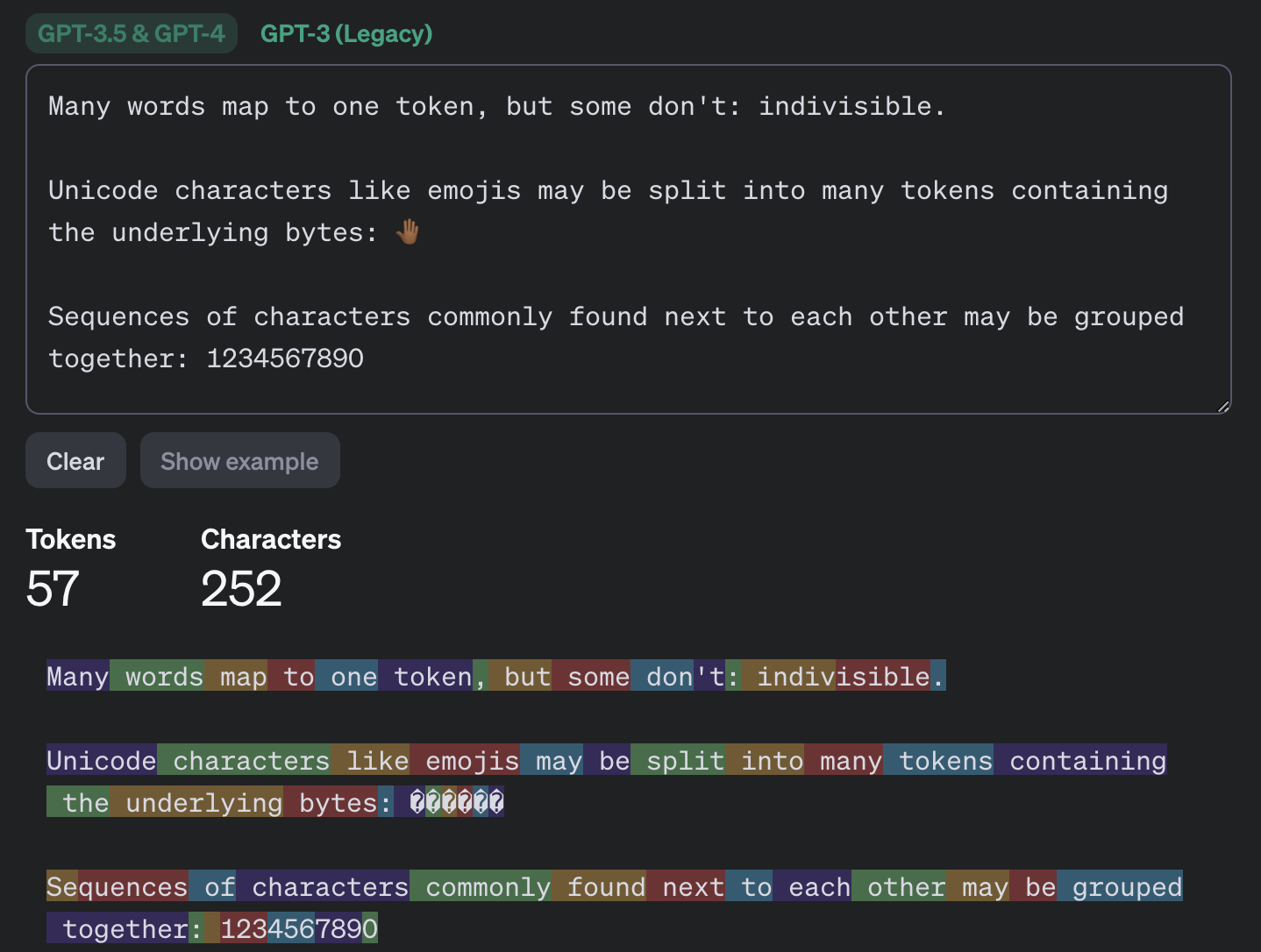
Most of the popular chatbots that kids (as well as adults) use are what’s known as large language models, or LLMs. To build such a model, researchers train it to spot patterns across huge amounts of text. The model breaks text down into small units called tokens (each token can be a sequence of words, a punctuation mark, a single word or character, or a whole sentence), then predicts which token is most likely to come next.

An example of how GPT-3.5 and GPT-4 break text into tokens

This example shows how the GPT-3.5 and GPT-4 models split messages into tokens. Source

The same thing happens when a chatbot converses with a person. A language model doesn’t actually reason on its own. It’s calculating which words and phrases are most likely to follow one another in order to produce a response that fits your query. That means chatbots will sometimes give incomplete or flat-out wrong answers, no matter how often they’re updated or retrained. A vivid example: just two years ago, popular chatbots confidently assured users that the word β€œstrawberry” has two letters β€œr” instead of three. Mistakes like these are commonly known as hallucinations.

Many chatbots can also search the internet for information. In that case, the AI pulls in data from an outside source, but it still uses its own internal algorithms to put the answer together. And search results themselves can include outdated posts, advertising content, tabloids, and other questionable sources.

How to help your child use AI wisely

Talk to them about how AI can get things wrong

We’ve already seen that artificial intelligence isn’t immune to errors. Unfortunately, hallucinations aren’t the only issue. Even when a chatbot is working from accurate information, it can still present it in a misleading way by leaving something out, putting the emphasis in the wrong place, or drawing a questionable conclusion. Sometimes the result depends on factors a user would never think to consider when asking a question.

One surprising factor is simply what language you’re using. Most of the data that major models are trained on is in English, so these systems tend to perform better in English. The same AI model might answer a question correctly in English but get it wrong when asked the exact same thing in, say, Serbian. This gap shows up most in fields such as science, medicine, technology, and law, where there’s simply far more high-quality English-language material for the model to draw on.

Another quirk of chatbots is that they get worse as you feed them more information. Studies show that the more text and data a model has to work with, the harder it is for it to keep track of details, connect information from different parts of a conversation, and answer questions that require real depth of understanding. Therefore, uploading an entire book to a chatbot and asking detailed questions about it is a surefire way to trigger hallucinations.

It’s also worth questioning not just what the AI tells you, but the way you ask your questions in the first place. Chatbots often try to please the user, and will shape their answer to match the user’s apparent point of view. For example, the same chatbot might give opposite answers to β€œWhy is the Earth overpopulated?” and β€œWhy isn’t the Earth overpopulated?”, each time building its response around the assumption baked into the question. One recent study found that even the most advanced language models failed to challenge false premises in 26–42% of cases.

Let AI help with learning, not do the learning

Many a former student knows that copying others’ work is an art unto itself β€” one that takes exceptional skill and at least some engagement with the material (sometimes even a fair amount). These days, unfortunately, even that skill is at risk of disappearing: the temptation to copy an answer that took only a few seconds to generate is simply too strong. But chatbots are far from straight-A students themselves.

In one study, researchers had three popular chatbots sit a chemistry exam, and compared their scores to those of real students from 2009–2023. The students came out ahead. Chatbots will sometimes land on the correct answer, but arrive at it via a chain of flawed reasoning, so their answers could just as easily be wrong.

So it’s worth explaining to your child that having AI write essays from scratch, or solve equations without then double-checking them, is a dead end. On top of that, in a real job they’ll be judged on actual skills and knowledge, and chatbots won’t help them fake the expertise. What AI can genuinely help with, without getting in the way of learning, is explaining difficult topics and working through mistakes. Here are some examples:

If a topic is hard to make sense of

  • β€œExplain this topic in simple terms: {insert topic}”
  • β€œExplain this topic using a real-life example: {insert topic}β€œ
  • β€œHere’s the part I don’t understand: {insert text}. Walk me through it step by step”
  • β€œExplain this topic in simple terms first, then in more technical terms: {insert topic}β€œ
  • β€œHere’s a question: {insert question}. Don’t give me the answer. Ask me guiding questions so I can work it out myself”

Math and other exact sciences

  • β€œGive me a hint for the first step, but don’t solve the whole problem: {insert problem}β€œ
  • β€œLook at my solution and tell me where I made a mistake, but don’t fix it for me: {insert problem and solution}β€œ
  • β€œCome up with a similar problem for me to try: {insert problem}β€œ
  • β€œHere’s my answer: {answer}. Ask me questions so I can check whether I solved it correctly”
  • β€œExplain why this formula applies here: {insert problem}β€œ

Essays and written assignments

  • β€œAsk me five questions on this topic so I can come up with my own thesis and arguments: {insert topic}β€œ
  • β€œHere’s a draft of my essay. Try to find gaps in my logic or places that need more detail: {insert draft text}β€œ
  • β€œLook at my essay outline and tell me what’s missing: {insert essay outline}”
  • β€œPoint out places in my writing where the idea isn’t clear, but don’t rewrite it for me: {insert text}β€œ
  • β€œPretend you’re an experienced teacher and try challenging my argument: {insert text}β€œ

Language learning

  • β€œHave a conversation with me in {insert language} at an A2 level. After I respond, correct my mistakes”
  • β€œGive me five sentences to translate using this grammar structure: {insert grammar structure}β€œ
  • β€œExplain this grammar rule and give me some examples: {insert grammar rule}β€œ
  • β€œI’ll write a sentence, and you tell me if it has a mistake. Give me a hint first, and only show me the correct version after my second attempt. {insert sentence}β€œ
  • β€œWrite a short dialogue in {insert language} where I have to answer as one of the characters”

Knowledge testing

  • β€œQuiz me with 20 questions on this topic: {insert topic}. Ask one question at a time, and don’t show the answer right away”
  • β€œAfter each answer, only explain what I got wrong”
  • β€œStart with five easy questions, then ask five hard ones”
  • β€œMake the questions harder each time I answer correctly”
  • β€œBased on my mistakes, tell me which topics I should review”

Fact-check AI responses together

Make sure your child understands that they shouldn’t blindly trust what a chatbot tells them β€” even when it cites other sources. And asking the same chatbot to double-check its own work isn’t a great idea either; there’s a real chance it will make the same mistakes twice, or even pile up the errors.

Take any chatbot answer and go through it together, breaking it down into individual statements and asking questions about each one. Where did that date or number come from? Is the AI citing a specific person, publication, or study? Is the quote actually something that person said? If the chatbot includes a link, open it and check how accurately the AI actually represented it.

While you’re at it, take a look at the quality of the source itself. If something is written in an overly emotional tone or makes bold claims without backing them up, that’s a good sign to look for information somewhere else.

Protect your child and their accounts

Anything your child shares with a chatbot ends up on that company’s servers, and it’s used to further train the model by default. Over the past few years we’ve seen that even the biggest companies aren’t immune to bugs and data leaks. To lower the risk of your child’s information leaking and to keep their account secure, follow a few simple rules:

  • Make sure your child understands that AI isn’t a private diary. Tell them not to share their name, home address, school, or any other sensitive information with a chatbot.
  • Adjust the chatbot’s privacy settings. At the very least, turn off memory and any β€œimprove the model” or training features. It’s also worth reading our detailed guides on setting up privacy and security in ChatGPT and DeepSeek.
  • Update the password. Most chatbots require an account, so to keep your child’s from being hacked, set a strong password that isn’t reused anywhere else. Whether your child’s password follows the classic β€œmother’s maiden name plus birth year” formula or uses popular meme words like β€œskibidi”, we have some bad news: passwords like these get cracked really fast. Instead of coming up with and memorizing passwords, it’s better to let an encrypted password manager generate and store them.
  • Turn on two-factor authentication. This adds an extra hurdle for anyone trying to break into your child’s account. Rather than using a phone number as the second factor, it’s better to use login codes generated and automatically refreshed in a password manager.
  • Use anti-phishing protection. Beyond fake websites that impersonate legitimate AI services, there’s another risk: chatbots sometimes hand users links to phishing sites (fake pages designed to steal personal information). Kaspersky PremiumΒ blocks access to suspicious sites and keeps scammers from stealing your family’s data and money.
  • Know what your child is doing online. Along with a password manager and protection from malware and phishing, Kaspersky Premium includes Kaspersky Safe Kids, which lets you set up parental controls, restrict unwanted content, and keep track of how much time your child spends online.

What else to read about keeping kids safe online and at school:

Doxxing Safety Part II: Incident Response

31 August 2026 at 21:02

Doxxing, also known as the deliberate sharing of personal information to harass or endanger someone, is a tricky thing to protect against. It often happens by some ill-intentioned person accessing publicly available information, then sharing that information more widely in the hopes it will intimidate their target or worse.Β 

This guide is a followup from a previous post that describes a methodology for you to clean up your digital footprint and get a firm entry into the art of open source intelligence. There's a slight bit of repetition here, but with a slant towards using those now-familiar tools and methods toward what to do in the context of incident response. The best thing you can do is familiarize yourself with this post and its tactics before something happens, then return back to it for reference when needed.

Incident Log

An incident log is a way to keep track of suspicious or harmful activity online. It doesn't need to be beautiful or complex, just a place where you can quickly note details around the different things you're seeing online. Noting times, places, people, and the general nature of what you see ought to be enough. In the event that law enforcement gets involved, this sort of record will be helpful.Β 

 Where/Site, Date & Time, Brief Description of Action, Threat-Actor Name/Description, Any Other People Involved.

The process of finding and noting hateful incidents online can be incredibly stressful, so now is a good time to revisit the team roles you might have already thought of in the previous blog post. If you haven't yet done that, here's a brief refresher:

Assign Team Roles

Remember, privacy–and responding to doxxing–is a team sport. Knowing who you trust is as important as identifying threat actors. Having trusted people ready to assist is invaluable in this type of situation. Refer them to this blog post or specific recommendations in it. If you've already plotted out a list of designated team roles, now is the time to remind everyone of their responsibilities. That might look like monitoring the hate forums where activity happens, keeping track of events in the incident log, setting up web alerts, locking down your social media accounts, or contacting law enforcement to reduce the likelihood of SWATing (a type of attack where bad actors call the police on their target, hoping to incite violence or disruption of peace by bringing law enforcement to their door).

Monitoring Hate Forums

So often the victims of doxxing and harassment campaigns are positioned that way because of bias or bigotry. If you're a part of a community who is the target of such abuse, you are likely already aware of the places where such bigots gather and the language they use. Safely and privately accessing those sites to check for organizing against you or those in your community is a crucial step to take. Take great care to do so privately. We recommend you use the Tor browser for such information-gathering missions. It’s also advisable that you don’t engage with anyone in those places.

Again, this step can be particularly stressful; asking a friend for help is a good idea, or you can thoughtfully apply some of the advice from the next section to automate the process.

Set Up Search Alerts

Google alerts is a free service that Google offers to alert you when a particular keywordβ€”like your nameβ€”is freshly indexed by their search engine. Doxxing efforts done by anonymous trolls may not trigger an alert, but if you're the target of smear campaigns in the media, or the victim of abuse by very prominent media figures, those things are more likely to appear. Updates can come pretty frequently, so we advise leaving the monitoring of these alerts to a person that you trust.

For a more sophisticated approach, you could use a tool like Open Measures to automate the task of tracking coordinated campaigns. It's important to note that this type of tool is more likely to miss nuanced language or oblique references to you and your community.

Hardening Your Public Facing Accounts

For accounts that you can't or don't want to shut down, at the very least you must review the privacy and security settings on them and consider raising that bar. If two-factor authentication isn't already on, now is the time to do so. For social media accounts, consider switching the account to "private," where users have to request to have access to your page. For peace of mind, especially on accounts that you have to keep using, consider muting certain terms and blocking accounts so that you're less likely to encounter stressful content when on the app. Every app's options are different for this sort of thing, so be prepared to spend a few minutes figuring out what the menu is like and where the options are.

Shut Down Affected Accounts

If a particular account is being targeted with hate, or signs are pointing to an account of yours being the source of information people are using against you, shutting down that account may be the best decision for now. Depending on the app, account deletion may be temporary and you may be able to recover the account after you've done so and things have cooled off.

Revisit Your Data Broker Removal Strategies

Although this is more of a doxxing preventative measure, it's a good idea to get on top of removing the information that's available about you via data brokers. In case you're unaware, the data broker industry is an unregulated viper’s nest of privacy threats, often contributing to or directly supplying the sources of information that are used in doxxing campaigns. Although there are plenty of services that offer to file data broker opt-out requests on your behalf, a recent study revealed that doing it DIY is still more effective than relying on these paid services. That said, a paid service may still be worth its money if you'd rather have someone else take care of it.

Revisit Public Records

As covered in the previous blog post, your information may be made available through public records that you have little to no control over. You may be able to limit the convenience of that information being available by requesting to have it taken down from sites that republish it. Check through voter records, business registration records, court and property records, and the like. If you aren't able to limit that information from appearing on such mirroring sites, at least gaining awareness of where they are and the specific contours of what they contain will help you strategize against the harms they may cause.

Consider Contacting Law Enforcement

For many, talking to law enforcement will only make things worse. On the other hand, SWATing is a tactic often used in these types of coordinated attacks. If you think that's a possible outcome in your situation, it could be a good idea to get ahead of it and contact law enforcement to let them know what you're dealing with. It's in their best interest to be aware of fraudulent calls, and will make them less likely to show up at your door with guns drawn.

Revisit PACE Documents, Enact Those Steps

If you're involved in any kind of activism or community organizing you may be familiar with PACE documentation. It’s an acronym for coming up with contingency plan reactions if unwanted things come up: Primary, Alternate, Contingency, Escape/Emergency. Think of it like a panic button, a routine checklist of things to do if shit hits the fan. Maybe it involves some of the recommendations from this blog post. The point is to have something readymade, and some thoughts and strategies prepared, if the doxxing escalates to increased levels of harm and danger.

Example spreadsheet of a PACE document for a hypothetical group attending a protest. It has four columns, Primary, Alternate, Contingency, and Emergency. Each column describes what the hypothetical group plans to do in the event of various disruptions taking place, with agreements to each other about communications strategies, meeting times and places.

This is another step that's best done in a community with trusted people. The point is to keep your community organizing or community work moving, but with special contingency measures enacted to keep you and everyone else safe while remaining aware of this incident. This step is highly personalized and relies on a bit of prep work having already been done.

Put A Lock on Your Bank Accounts and Cell Subscriptions

One of the tactics those who are doxxing you might use is trying to get into your social media or other accounts through β€œSIM swapping,” an attack where they contact your cellular provider pretending to be you in order to hijack your phone number. They can then use that number and pivot to stealing other accounts you authenticate yourself to with your phone. Likewise, those targeting you might try to steal access to or disrupt your bank accounts through similar techniques.Β 

Get ahead of them by placing security passwords or pin codes on these highly sensitive accounts, if your bank or cellular provider provides this extra security measure. Most cell providers offer some sort of SIM swapping prevention method, but they all use different names for this feature, so be sure to look up the process in your provider’s documentation (here are guides for the major U.S. providers: Verizon, AT&T, and T-Mobile).

Regulate Your Nervous System

It’s an understatement to say that being doxxed is scary and potentially very dysregulating. You're much more likely to make safe, smart decisions if you are able to maintain a sense of control around your mental state. Recognizing that capability, as well as having a strategy to keep calm in the face of a crisis is just as important as having good digital security hygiene. Do what you need to do, be it involving the help of friends, taking a break, or whatever else, to stay afloat during this process.Β 

Flexibility and Resiliency

The reality is that the more you experience cultural marginalization, the higher the chances are that adversarial actors will resort to such tactics as doxxing and coordinated harassment campaigns. The fervor of those adversaries is often stoked by hateful public figures and politicians. And the plausible deniability of public records can limit the recourse you have to stop them. We hope that after reading this and the previous post, we’ve also brought to surface the idea that you can have great control over your digital footprint. Even more, that you can continue to share information online without unnecessarily compromising your safety and security.Β 

Until we have digital privacy protections for everyone, it’s up to us to take matters into our own hands. Privacy, security, and dignity online are achievable. If you follow this guide, the previous one, and stay clued into the strategies laid out on Surveillance Self-Defense, you're well on your way.

Doxxing Safety Pt I: Prevention and Footprint Management

31 August 2026 at 20:52

Doxxing is the deliberate disclosure of personal information in order to bully, harass, intimidate, or instigate a chain of harms against someone. It's a tricky thing to protect against when the jerk doing it is often able to use legal and accessible means to do so. The odds are stacked against everyday internet folk when there's little to no comprehensive data privacy legislation keeping us safe. The responsibility is on each of us to protect ourselves, but the good news is that there's a lot you can do to reduce your digital footprint and take control of your data.

This post is part one of a two-part series discussing safety and response to doxxing. This first part focuses on prevention and ways to reduce your overall footprint. The second focuses on incident response, as in, steps to take if you're in the midst of being doxxed. There will be some crossover and redundancy between these two posts, so it's worth reading each and gaining familiarity with the steps well ahead of time.

OSINT

Open source intelligence (OSINT) is a broad term within information security. It focuses on the tools and means available to us for investigation and information retrieval. OSINT sits at the heart of doxxing campaigns but is also an important part of the process of preventing them. Typically it is a way of describing a methodology of piecing together scraps of information to form a dossier on a subject.

There are fancy multipurpose tools (like Maltego or Lampyre) that combine many datapoints into accessible graphs and datasets. As helpful as they can be for traditional penetration tests or corporate OSINT campaigns, they’re best used for investigations focused on organizations, mapping together details like employee email charts, LinkedIn profiles, and company network maps. They may not fit the needs of everyday people or liberation movement workers. Instead, we recommend referring to different OSINT resource lists that index together a bunch of different tools, then using those resources to create a list for yourself of which tools may be most helpful.Β 

Many, if not all, of the resources we cover below will be referenced in those guides, and themselves fall under the OSINT category. It’s important to note that the tools we reference in this particular blog post are only relevant at the time of publishing. The bigger ideas have a much longer shelf life than various tech tools. That said, in no particular order:

Breach Databases

When a company gets hacked and their customer data is leaked, that information often ends up in β€œbreach databases,” that is, troves of peoples' data available for sale and reuse in illegal trades online. Because of the sensitivity of that type of information, it can potentially be used in doxxing campaigns. Some resources, like haveibeenpwned, note pieces of vulnerable identifying information in those databases and make it easy for people to see if their information is included. Others, like DeHashed, offer a similar sort of tracking, but for a fee.Β 

You may not have control over a company's digital security that could put your own data at risk, but you can gain insight into whether your information is already out there. This gives you the opportunity to control the accuracy of that data (such as changing your email address or phone number). Doing so is extremely inconvenient, but unfortunately, it may be the only agency you have when another’s company’s digital insecurity puts your own safety at risk.

Open Records

Public records (such as voter records, property records, business registration, medical licensing information, and more) present a dilemma. It is in the public interest for there to be levels of transparency on such information. On the other hand, making such personally-identifiable information accessible to those with ill-intent can lead to serious consequences.Β 

Instead of requiring a formal request through the courts, mirroring sites make this information easy to find online. Such sites often have forms where you can request your information be taken down. This doesn’t necessarily remove the records from existing, but it does remove a layer of convenience in accessing them.

Some states have programs called β€œAddress Confidentiality Programs” that offer people the right to supplant address information with proxy addresses, keeping public records open but that specific piece of information potentially hidden.

Social Media

Going through and tightening the security and privacy settings of your various social media accounts is always a good idea, but it’s especially important if you are in the process of minimizing your digital footprint. Consider turning your discoverability to β€œprivate” or β€œhidden” (verbiage and details depend on the app) so that only users vetted by you are able to see your account.

To get a quick overview of the various accounts you have registered online, especially if you've been online for a long time, use a username search engine like What's My Name or Namechk to see where your usernames have been registered. They may not be entirely accurate, but they are effective and quick. These tools are also helpful if you are at risk of being impersonated online and want to get an overview of where that may be taking place.

Data Brokers and Removals

Data brokers are craven, pernicious companies that present an existential risk to everyone in the digital age. Until that industry is no more, it's up to us to protect ourselves and the ways that it endangers us by selling personal, sensitive information. The most effective way to get your information removed from their stores is to file requests manually. Yael Grauer's BADBOOL project compiles and prioritizes the worst offenders in this industry and the means you can use to request data removals from them. This process can be grueling and time-consuming, so it may be worth investing in a service that automates the process. Though they've been found to be less effective than the DIY approach, there are some services that have stood out amongst the others in terms of efficacy when tested by third-party reviewers. If you’re a resident of California, you can more easily opt out through the new and exciting DROP tool.

Reverse Image Searching and FR Services

Services like PimEyes and Lenso have jumped on the profit-driven opportunity to create facial recognition as a service. They contribute to law enforcement investigations and predictive policing systems, as well as providing commercial services to abusers and stalkers. The gist of their service: upload a picture of someone (in this case, yourself) and it will use facial recognition technology to determine where else online that person has appeared. If your image is being shared online without your consent, this service will find out.Β 

Willfully participating in these services does mean having your image mapped, scanned, and stored by their systems. But if you believe you're under the type of targeted harassment that includes your image being shared online against your will, it may be worth that tradeoff.

Extra Monitoring, Automated

This section is less about data minimization, and more about laying extra protections down in the event that doxxing or other coordinated harassment seems imminent. If you're in the Google ecosystem of products, consider enrolling in their Advanced Protection Program, which offers a number of different features to keep you and your account safe.Β 

If you're the focus of coordinated attacks that span from online communities to media outlets participating in the harassment, a service like Open Measures is worth looking into. It tracks, maps, and analyzes the spread of hateful information online. They provide free access to their open-source API, so with some technical fancy-footwork, you can automate this process.

Get Others Involved

Coordinated harassment is often a process of daisy-chaining targets and tactics together until there’s a meaningful process of harm being inflicted. This means that people in your community are also at risk. As we always say, privacy is a team sport. Get others involved in the process; there’s strength in numbers.Β 

A great way to do this is think of the activities you and your group are up to. What roles do individual members take on? Figure out a way to tack on some of the responsibilities you’re coming up with here onto those team members. Find ways to talk about it and share strategies, preferably using secure technology like Signal. You can coordinate together which tasks each person could take on, perhaps pulled from this blog post.

It's a Process; Keep Yourself Apace for the Marathon, Not the Race

The process of data minimization and reclaiming agency over your digital footprint can be grueling and stressful. Don't underestimate the toll it can take on your mental health. Take breaks, employ the help of friends, and take the time to make sure you're first addressing the parts that are most relevant to your threat model. It may feel like there’s nothing to be done about protecting your digital privacy, but that’s just a symptom of surveillance capitalism’s psychological effect on its victims. There’s much you can do to stay safe, to protect yourself and others. Refer to this post and to the Surveillance Self-Defense project.Β 

WordPress Security Plugins: How to Choose the Right One

By: Sucuri
5 September 2026 at 05:01
WordPress Security Plugins: How to Choose the Right One

In short, WordPress security plugins are tools you add to your site to strengthen your settings, scan for malware, watch for file changes, and block suspicious activity from within WordPress. Most sites should use one, along with a firewall that filters traffic before WordPress even loads. Look for layered protection, good detection, clear handling of false alarms, minimal impact on performance, and real human support.

If you manage a WordPress site, you have probably searched for β€œbest WordPress security plugin” at some point.

Continue reading WordPress Security Plugins: How to Choose the Right One at Sucuri Blog.

Third-Party Script Security: How Tags, Pixels, and Embeds Can Put Websites at Risk

By: Sucuri
25 August 2026 at 00:31
Third-Party Script Security: How Tags, Pixels, and Embeds Can Put Websites at Risk

Third-party scripts are common on websites. They help with analytics, ads, live chat, social media, video, payments, and many other features. While not all are risky, every external tag, pixel, widget, or embed adds to your website’s vulnerability. These tools can read page content, collect visitor data, change what users see, and connect with outside services. If a vendor, account, or setup is compromised, it can impact every page that uses the script.

Website owners shouldn’t aim to get rid of useful integrations, but to understand which scripts run, why they are necessary, who controls them, and how to detect unexpected changes.

Continue reading Third-Party Script Security: How Tags, Pixels, and Embeds Can Put Websites at Risk at Sucuri Blog.

What Is a Website Attack Surface? A Beginner’s Guide to Reducing Risk

By: Sucuri
19 August 2026 at 22:06
What Is a Website Attack Surface? A Beginner’s Guide to Reducing Risk

Each feature that you add to a website results in a new element that has to be managed.

The credentials are accepted by a login page, the data by a contact form, new code is introduced by a plugin, and an API is used to connect your website to another service. It is also possible that an old staging site or a forgotten backup may still be accessible from the internet.

The collection of these exposed components constitutes your website attack surface.

Continue reading What Is a Website Attack Surface? A Beginner’s Guide to Reducing Risk at Sucuri Blog.

How to Create a Secure WordPress Staging Site: Beginner’s Guide

By: Sucuri
11 August 2026 at 18:30
How to Create a Secure WordPress Staging Site: Beginner’s Guide

Updating WordPress directly on a live website can cause avoidable problems. A plugin update might break checkout, or a theme change could create layout issues visitors see immediately.

A WordPress staging site gives you a separate place to test changes before they reach your live website.

Staging reduces operational risk, but it also creates another website that needs protection. A copied site may contain administrator accounts, customer records, API keys, or vulnerable software.

Continue reading How to Create a Secure WordPress Staging Site: Beginner’s Guide at Sucuri Blog.

Hackers steal sensitive data from UK Department for Education and police

Details of parents and staff, including email addresses and phone numbers, are among data taken by cybercriminals

The Department for Education and a police database have been targeted by a cyber-attack, exposing more than 740,000 pieces of data.

Details of government officials, senior school leaders, university staff, police officers and members of the public have been taken by hackers.

Continue reading...

Β© Photograph: Dave Hunt/AAP

Β© Photograph: Dave Hunt/AAP

Β© Photograph: Dave Hunt/AAP

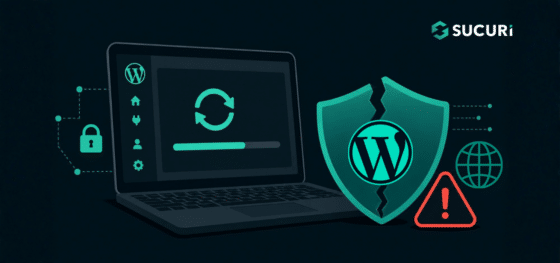
Why Delaying WordPress Updates Increases Security Risks

By: Sucuri
14 July 2026 at 23:34
Why Delaying WordPress Updates Increases Security Risks

WordPress updates help close known vulnerabilities before automated attacks can find and exploit them. Once a patch is released, attackers often move quickly to scan for sites that have not yet updated.

It’s easy to put off updates when everything seems to be working. But once a vulnerability is public, attackers do not need to single out your site. Automated bots scan thousands of sites for outdated WordPress core, plugins, themes, and server setups.

Continue reading Why Delaying WordPress Updates Increases Security Risks at Sucuri Blog.

Primed for Malware: Stop Selling Compromised Android Devices

26 June 2026 at 01:39

Time and time again, researchers have found numerous compromised Android devices for sale at large online retailers like Amazon. When these devices get individually reported, we have seen some noted efforts to take them down. But this is a systemic problem and Amazon and other major online retailers must make a corresponding systemic and intentional effort to stop these devices from entering people’s homes and ultimately their networks.

As a refresher: Last year, Google wrote that one major campaign, deemed BADBOX, affected 10 million uncertified devices that were running Android’s open-source software (Android Open Source Project or AOSP). These devices span from TVs and streaming devices to digital picture frames. Even now, someone can go on Amazon and Walmart and buy one of these devices. Not all of them come from Amazon and Walmart, but it’s fair to assume since they have the lion’s share of the market.

Most well-known Android-based devices don’t come with just β€œstock Android.” The operating system is usually Android plus additional features that the manufacturer wanted. These custom versions of Android often come with pre-installed applications that range from useful to innocuous bloatware to actual malware. Many Android OEMs (original equipment manufacturers) pre-install apps that may not be visibly represented by an icon in your list of installed apps. This obscurity makes the issue particularly hard for users to identify any potential threats.

Since the initial BADBOX analysis, there have been more reports of large campaigns and clusters of different devices participating in malicious activities that utilize people’s home networks to engage in illegal activity. Task forces in the private sector have made an effort to take down these existing Command and Control structures, but these actors may pivot and evolve to flood the market with more devices.Β 

Online retailers can stop this cycle. A multi-billion dollar company like Amazon should offer more resources, like their anti-fraud efforts, given that these products may have facilitated conditions for large scale attacks and illegal activity. It would also be helpful if they communicated malware-related take downs in a more visible way to consumers who are seeking very similar devices with shared characteristics.

Identifying these devices can be tricky, but it’s not impossible because they tend to follow a pattern. For example, the FBI warned consumers this year to avoid TV streaming devices that claim to provide free sports, tv shows, and movies, a common tactic used by the makers of these malware-filled Android devices that leverages people’s exhaustion from spending money on countless streaming services. We detailed what sorts of indicators to look for on a device you’ve purchased.

But it’s not just the storefronts. There are other parts of this ecosystem that need to improve too, like increased engagement inΒ firmware transparency and the actual manufacturers of the devices themselves being held accountable for these malware laced products.

On Prime Day, we urge retailers like Amazon to better empower users with information they need to make safe and smart decisions.

WordPress Site Down? Here’s How to Get Back Online

22 May 2026 at 02:05
WordPress Site Down? Here’s How to Get Back Online

If your WordPress site goes offline, every minute costs you lost sales, missed leads, and a dent in visitor trust. Search engines may start flagging errors, and customers see a blank page instead of your business. In that moment, the pressure is real:

What broke, and how do you get back online before the damage adds up?

The good news is that most WordPress outages are fixable. In most cases, your site isn’t lost, it’s blocked by something like a plugin conflict, server hiccup, database error, expired domain, SSL problem, sudden traffic spike, or malware infection.

Continue reading WordPress Site Down? Here’s How to Get Back Online at Sucuri Blog.

What to Do When a Third-Party Data Breach Puts Your Website at Risk

By: Sucuri
18 May 2026 at 22:04
What to Do When a Third-Party Data Breach Puts Your Website at Risk

Data breach notification letters have become a familiar routine. They usually start with β€œWe value your privacy” and offer a year of free credit monitoring. But the most important part is often hidden in the middle:

A list of what actually got out.

A leaked email address is not a leaked admin password. A hashed credential is not a session token. There is no universal post-breach checklist. The right response depends on the data exposed, so read the notice carefully and match your response to the level of exposure.

Continue reading What to Do When a Third-Party Data Breach Puts Your Website at Risk at Sucuri Blog.

Canvas hack: is it ever a good idea to pay a ransom, and what happens to the data?

Businesses are advised against paying – but many are prepared to deal to protect users’ privacy

After a week of outages, hundreds of millions of students’ data stolen, delayed assignment due dates and school login pages being defaced by hackers, the US tech firm Instructure – which operates the education platform Canvas, used by education providers worldwide – announced it had β€œreached an agreement with the unauthorised actor” behind the ransomware attack.

Experts read the careful language as a sign that a ransom has been paid. The company has not confirmed this.

Continue reading...

Β© Photograph: Boonchai Wedmakawand/Getty Images

Β© Photograph: Boonchai Wedmakawand/Getty Images

Β© Photograph: Boonchai Wedmakawand/Getty Images

DNSSEC: The Extra Security Layer That Can Break Your Padlock

5 May 2026 at 02:59
DNSSEC: The Extra Security Layer That Can Break Your Padlock

Turning on DNSSEC makes your domain more secure β€” but if it’s misconfigured, newer certificate validation rules can stop SSL renewals in their tracks.

Hey there,

You know that satisfying click when you finally turn on DNSSEC? It feels like adding a shiny new deadbolt to your domain’s front door. You’re doing the responsible thing: locking down your DNS against spoofing and hijacks, and making the internet just a bit safer.

Continue reading DNSSEC: The Extra Security Layer That Can Break Your Padlock at Sucuri Blog.

What is online gambling spam and what can I do about it?

By: Sucuri
28 April 2026 at 21:12
What is online gambling spam and what can I do about it?

Online gambling spam thrives on dreams of easy money and high stakes. Beating the house at an exotic casino. Splitting sevens. Going all in on the flop. A baccarat dealer calling La grande! For most people, though, the reality falls far short of Monte Carlo and an Aston Martin.

So they turn to online gambling. And bad actors harness that allure to create their scams. They think they’re buying credits at a hot new online casino.

Continue reading What is online gambling spam and what can I do about it? at Sucuri Blog.

My Website Is Hosting a Phishing Page – Now What?

By: Sucuri
25 April 2026 at 05:24
My Website Is Hosting a Phishing Page – Now What?

Most phishing advice is written for the person staring at a suspicious email. This guide is for the other kind of victim: The website owner whose legitimate site has been quietly turned into the attacker’s weapon.

You didn’t send the message or build the fake login page. You just woke up to a browser warning, a suspended hosting account, or a polite note from someone’s security team asking why your domain is requesting Apple ID credentials.

Continue reading My Website Is Hosting a Phishing Page – Now What? at Sucuri Blog.

WordPress DDoS Protection: How to Keep Your Site Online

By: Sucuri
24 April 2026 at 00:23
WordPress DDoS Protection: How to Keep Your Site Online

WordPress powers over 40% of the web, which makes it one of the most attractive targets for Distributed Denial of Service (DDoS) attacks. If your site goes down for an hour, you lose revenue, search rankings, and visitor trust. If it goes down repeatedly, you lose much more.

A DDoS attack floods your website with fake traffic until it slows to a crawl or crashes entirely. Unlike hacks that steal data, DDoS attacks are about disruption.

Continue reading WordPress DDoS Protection: How to Keep Your Site Online at Sucuri Blog.

❌