What we built, Fusion AI, runs at about a third the cost of a traditional external pentest, a human tester still signs off on every finding, and it is not here to replace anybody.
We have been hearing that one a lot. So when Melisa from our Business Capture team sat down with Brian Fehrman and me for this episode of AI Security Ops, she started with, “What is this thing you built, and is it the same hype everyone else is selling?”
AI security is getting attention because AI has stopped being a side experiment. It is now part of how work gets done. Employees use copilots to write, research, code, and analyze. Product teams are adding AI into customer experiences. Developers are building applications on top of foundation models. Business teams are experimenting with agents that can read email, summarize documents, query data, and trigger workflows. That is a very different world from the one many AI review processes were designed for. An AI system can pass a benchmark and still fail in production. It can behave safely in a clean test environment and then encounter real […]
The Shift to Threat-Informed Prioritization: Operationalizing CISA BOD 26-04
In this post, we examine how CISA BOD 26-04 shifts the industry away from flat CVSS scoring and details how Flashpoint bridges the critical data gaps left by public vulnerability repositories.
With the recent issuance of Binding Operational Directive (BOD) 26-04, CISA has officially shifted federal policy away from static severity scores and flat patching timelines toward threat-informed prioritization. The move reflects a reality security teams have grappled with for years: not all critical vulnerabilities post the same risk, and not all active vulnerabilities receive the highest CVSS scores.
Traditional vulnerability management programs have often relied on severity-based patching models that force resource-constrained teams to focus on large volumes of high-scoring vulnerabilities. Yet research consistently shows that threat actors routinely exploit a broader range of weaknesses, including lower-scoring vulnerabilities on internet-facing assets, to gain initial access and move laterally through victim environments.
While BOD 24-04 represents a significant step forward, there are still hidden challenges organizations will face as they adopt a risk-based approach. The operational reality is that executing a truly risk-based matrix validates what Flashpoint has maintained for years: effective vulnerability prioritization requires deep, contextual threat data. Unfortunately, the needed real-world metadata for this kind of context are simply not supported by public sources of vulnerability intelligence.
Understanding BOD 26-04
BOD 26-04 evaluates the urgency of a vulnerability by cross-referencing a security flaw against four distinct operational variables:
Asset Exposure: Is the asset publicly accessible via the internet?
Known Exploited Status (KEV): Is there verifiable evidence of active exploitation in the wild?
Exploit Automation: Can a threat actor completely automate the weaponization and delivery of the exploit?
Technical Impact: Does a successful exploit result in partial disruption or total compromise of the target system?
By analyzing these variables in tandem, organizations can tier their response and execute clear, defensible SLA metrics.
Risk Priority
Real-World Matrix Conditions
Required SLA & Operational Action
P1: Immediate Risk
In KEV + Publicly Exposed + Automatable + Total Impact
3 Days (Includes Mandatory Forensic Triage)
P2: Urgent Risk
In KEV + Publicly Exposed + (Either Non-Automatable OR Partial Impact)
7 Days
P3: Elevated Risk
In KEV + Internal / Non-Publicly Exposed Asset
14 Days
P4: Standard Risk
Not in KEV + Publicly Exposed + Automatable + Total Impact
30 Days
Deferred Risk
Not in KEV + Internal Asset OR Lower Technical Impact
Next Scheduled System Upgrade / Maintenance
According to CISA, the pilot testing of this model has shown that fewer than 1% of an organization’s typical vulnerability backlog requires urgent, immediate remediation, while over 60% can be safely deferred to standard system maintenance cycles. However, implementing this framework successfully requires access to granular, real-world data points that public sources of vulnerability intelligence simply do not support.
“Speaking with security teams in the wake of this directive, it is clear that BOD 26-04 is a major paradigm shift. While the ability to safely defer more than half of your patch backlog is an invaluable efficiency gain for modern organizations, executing that strategy effectively requires ground-truth intelligence on exploit automation and adversary intent that public registries simply cannot deliver.”
Josh Lefkowitz, CEO and Co-founder at Flashpoint
The Data Challenge
To operationalize this model successfully, organizations will require a high-fidelity intelligence pipeline that combines comprehensive threat and vulnerability intelligence into clear, context-rich insights that support prioritization and decision making. You cannot confidently defer remediation without verifiable intelligence that proves the vulnerability lacks active exploit history or automation maturity.
Unfortunately, relying on public data feeds like the CVE database or the National Vulnerability Database (NVD) to fuel this matrix creates an immediate operational bottleneck. Public repositories have historically struggled under severe analysis backlogs, leading to processing delays and missing Common Platform Enumeration (CPE) data. Furthermore, public feeds are inherently reactive; they do not monitor illicit communities where exploit code is developed, nor do they track the real-time weaponization metrics needed to meet BOD 26-04’s tight 3-day or 7-day compliance window.
How Flashpoint Solves the Prioritization Gap
Flashpoint Vulnerability Intelligence bridges the gap between public data limitations and the requirements of real-world exposure management. Independently researched and enriched, Flashpoint provides the precise contextual signals required by the CISA BOD 26-04 matrix:
By integrating Flashpoint’s continuous intelligence into operational workflows, security teams can automatically validate exposure, assess automation potential, and confidently claim the operational relief that risk-based prioritization promises.
“We are convinced by Flashpoint’s superior vulnerability coverage, timeliness in the updates, and long-term monitoring of exploits. We also really appreciate Flashpoint’s proprietary CVSS rating and classifications based on expert knowledge of the standard and practical use in the industry. Having all this curated information at your fingertips is a game changer.”
Vulnerability Manager, Telecommunications
Prioritize Vulnerability Risk Using Flashpoint
CISA’s BOD 26-04 represents a critical shift away from severity-based patching and toward defensive efficiency. However, the effectiveness of this model is entirely dependent on the fidelity of your threat data.
Without best-in-class comprehensive vulnerability intelligence, security teams will be forced back into reactive patching cycles. Request a demo to learn more how Flashpoint helps security teams move beyond the constraints of static scoring and align their vulnerability management workflows with actual risk.
During our recent threat hunting activities, we found EtherRAT malware being distributed by a website with a strange homepage. This homepage allowed us to discover a vast malicious infrastructure distributing malware, malicious documents, remote desktop software, and phishing pages.
EtherRAT is a RAT developed in Node.js which allows an attacker to gain complete control over the machine and execute arbitrary code returned by the Command and Control (C2) server. The malware uses the Etherium blockchain to obtain the C2 server, hence the “Ether” part of the name. EtherRAT is typically distributed via MSI, PowerShell, or JavaScript scripts.
An open directory that distributes EtherRAT: where it all began
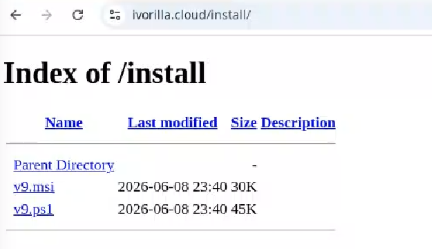
While threat hunting, we found an open directory that was distributing MSI installers and PowerShell scripts, which ultimately distributed EtherRAT. In the analyzed cases, the PowerShell scripts and MSI installers were distributed from a “/install” folder. The versions have a progressive number, ranging from v1 to v10.
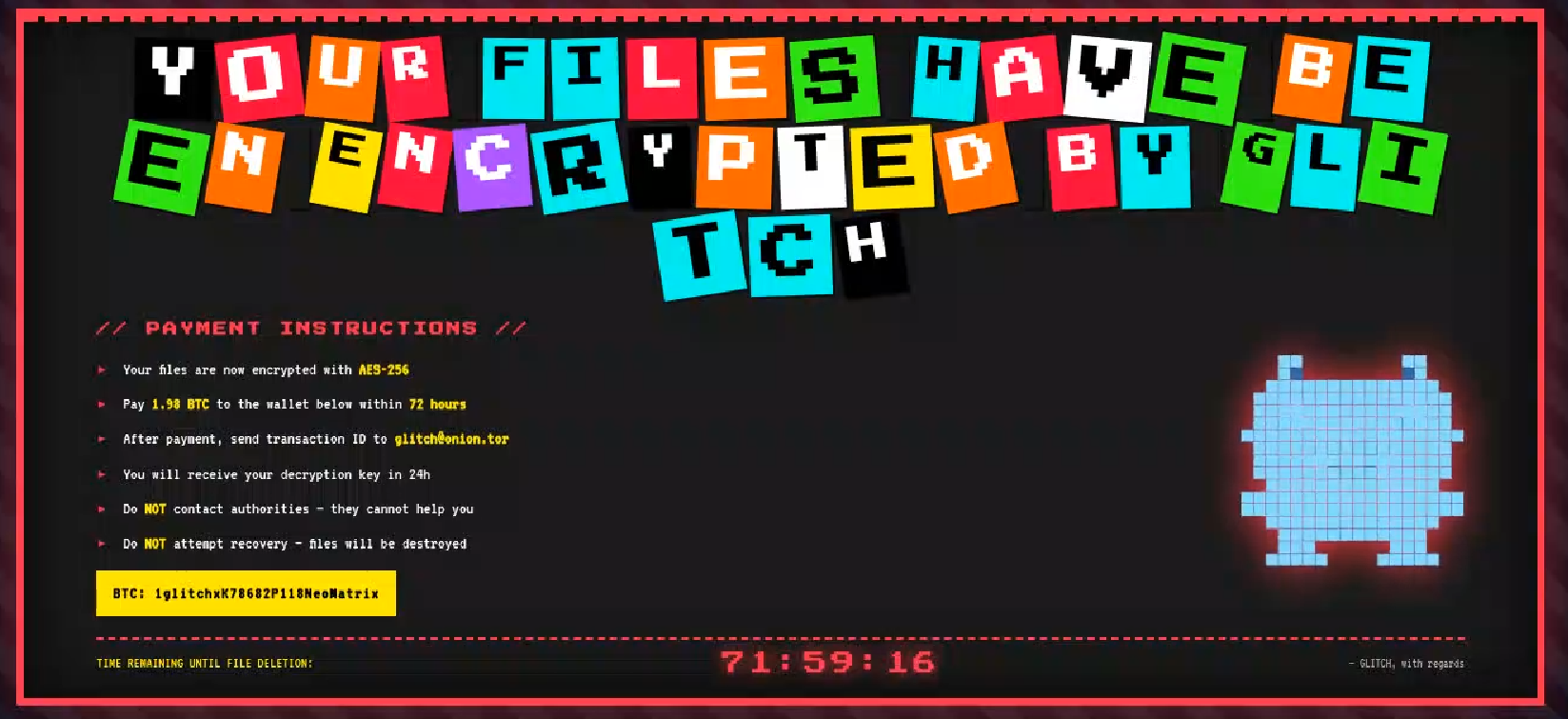
Open Directory hosting EtherRAT MSI
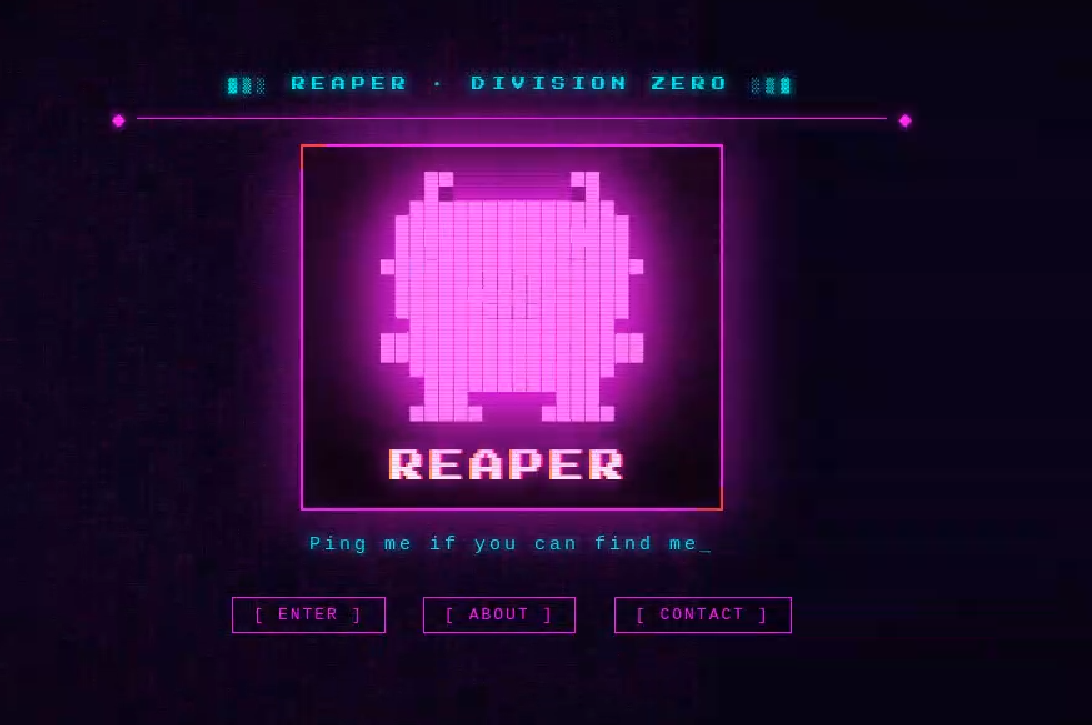
The returned home page caught our attention and prompted us to further explore the campaign.
The homepage returned by the EtherRAT distribution website
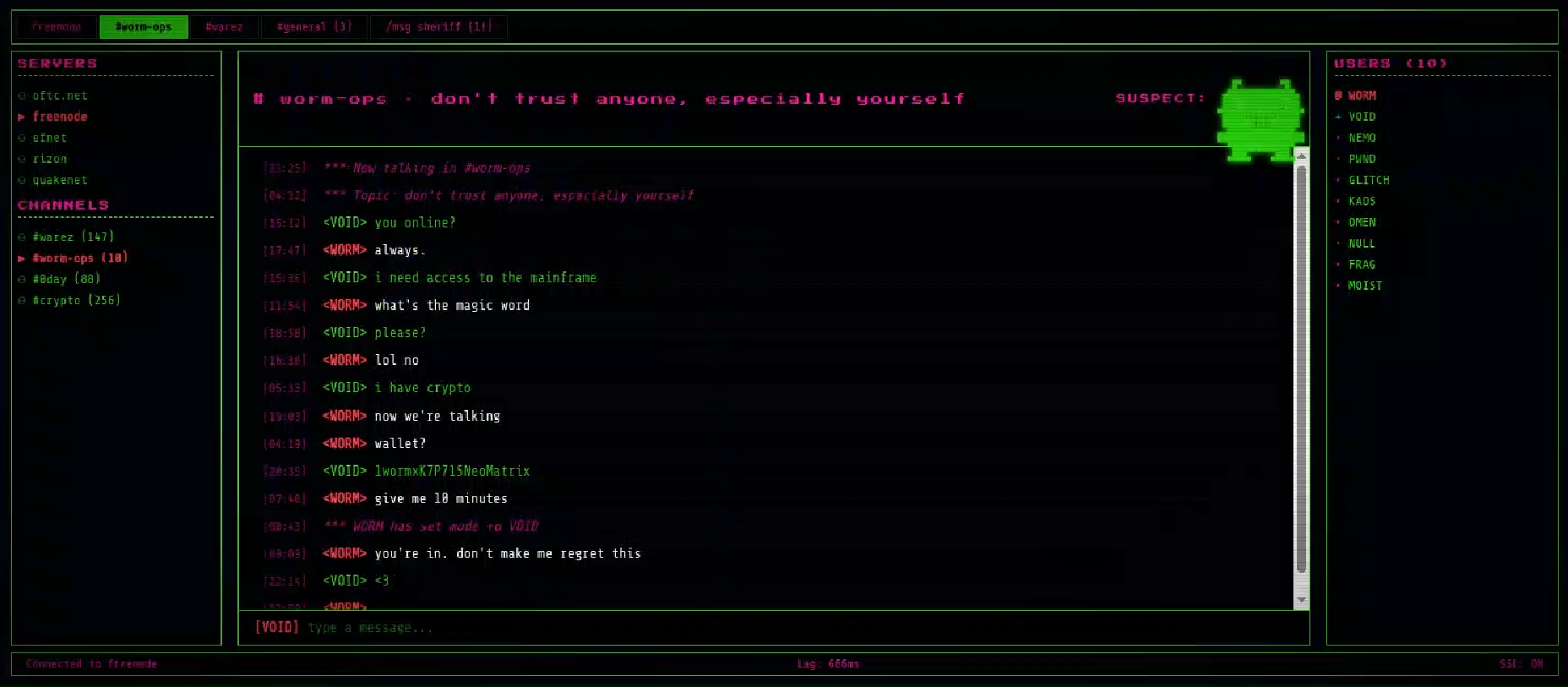
Analyzing domains and associated IPs with the EtherRAT distribution, we detected other similar home pages with a hacking-style theme. They appeared to belong to a larger distribution chain, which also distributes phishing, remote control software, and other malware. These websites usually have several folders with malware and phishing related content, and what is displayed depends on the specific infection chain.
Different websites that resolve to the same IP addresses have previously returned pages related to fake companies or default templates. The use of these new pages could therefore be a method to make detection more difficult for automated scanners or researchers. Here are some of the home pages we found:
Some of the malicious websites indexed on Google
EtherRAT is an interesting RAT, as it has few lines of code and allows the execution of arbitrary code returned by the C2 server. Furthermore, using the Ethereum blockchain to obtain the C2 server makes it more resilient to infrastructure takedowns.
Technical analysis of EtherRAT
The detected websites usually distribute an MSI or PowerShell script with the version name, such as v1.msi, v2.ps1, and so on.
MSI Loader
The MSI file “v9.msi” contains three components:
MSI Filename
Description
KmPuGimn.cmd
BAT launcher
cDQMlQAru0.xml
First Jscript loader
MRaQCipBIZeiZNx.log
Encrypted EtherRAT
When the MSI is executed, the “KmPuGimn.cmd” file is started:
conhost --headless cmd /c "KmPuGimn.cmd"
This obfuscated BAT file performs different operations:
Extracts the other files in a random folder in %LOCALAPPDATA%.
The final stage is to deploy EtherRAT. EtherRAT allows the attacker to:
Execute arbitrary JavaScript code received by the C2 server. This allows the attacker to execute new commands, perform operations on files and folders, modify the registry, and exfiltrate data.
Get a new C2 server using the Ethereum blockchain.
Reobfuscate itself.
Save the logs to “svchost.log”.
Part of decrypted EtherRAT code
The EtherRAT uses Ethereum’s “eth_call” JSON-RPC method to retrieve the active C2 URL from a smart contract on the Ethereum mainnet.
After startup, the RAT sends its own source code to the C2 server. The C2 responds with a newly obfuscated version of the script, which is written back to disk, making each execution generate a new file hash.
POST /api/[REOBF_PATH]/<victim-uuid>
Body: { "code": "<current_script_contents>", "build": "<build_id>" }
After the EtherRAT execution, we observed different post-compromised cmd.exe activities to check the environment. For example:
The activities performed by the PowerShell loaders are very similar to the last stage of the JS script of the MSI installer:
Downloads Node.js if it’s not present.
Create the necessary directories.
Decode the EtherRAT with a custom decryption algorithm.
Execute Node.js with conhost.exe and the decrypted EtherRAT payload.
We detected some variants of the PowerShell loader hosted on these websites; namely that the functions’ names and the decryption functions change in the analyzed PowerShell scripts.
The decryption of EtherRAT payload with the custom decryption algorithm
Tracking the malicious infrastructure
When we analyzed the different websites with the “hacking-theme” pages, we found that in the past many had hosted multiple phishing pages in some specific paths. For example:
/zht/sharep-redirect.html
/bl/me.php
/t/teams
/teams/Windows/invite.php
It seems that these domains and IPs are actually part of a much larger infrastructure that distributes malware, phishing, malicious documents, and remote software. It is possible that these infrastructures are shared by multiple threat actors who activate different URL endpoints based on the specific campaign.
Interestingly, the majority of the domains related to this malicious infrastructure in the past also returned an HTML page related to a “Bulletproof Infrastructure” service.
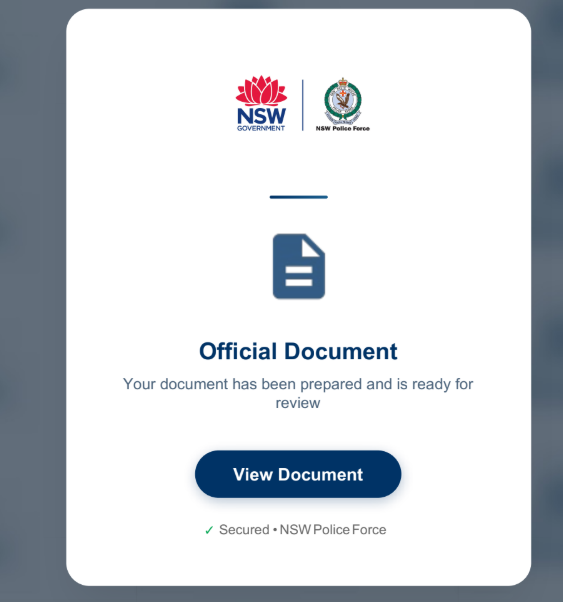
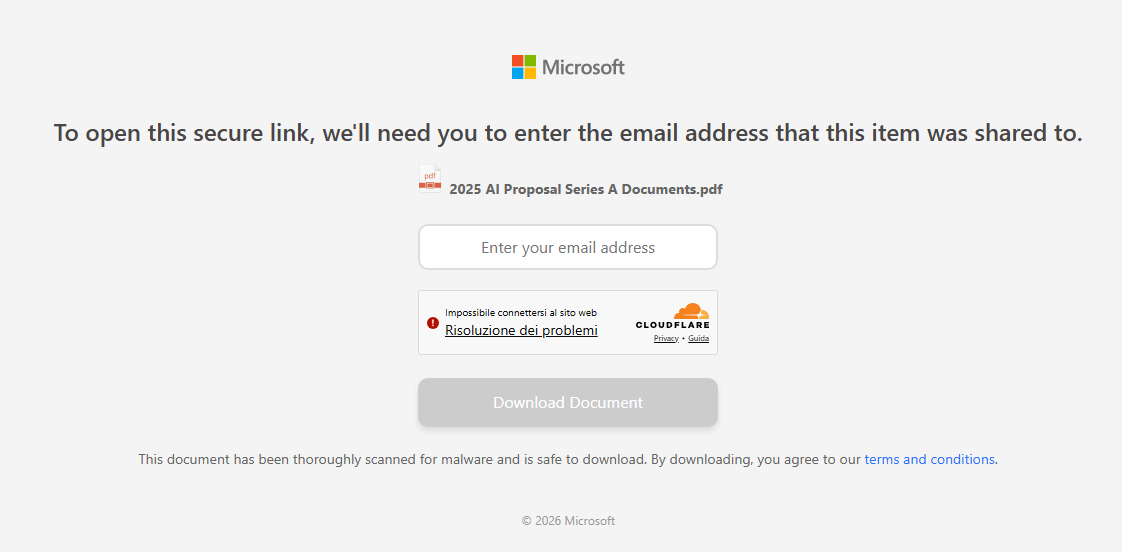
We found that these phishing campaigns typically start via emails with documents attached, such as PDF or Excel files. These documents ask the user to click a link to view another document. Below are two examples of the phishing documents attached to the emails:
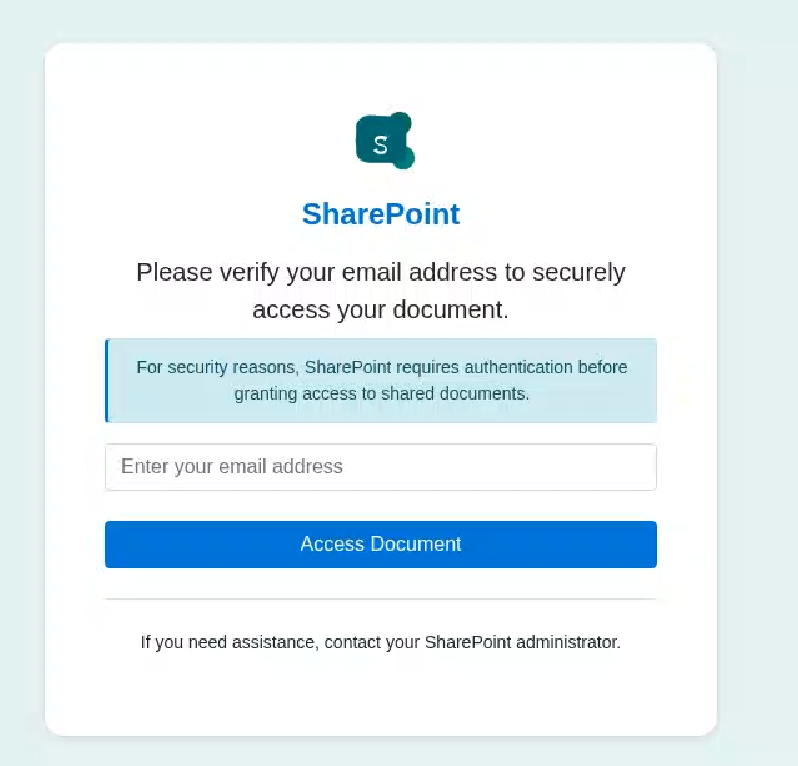
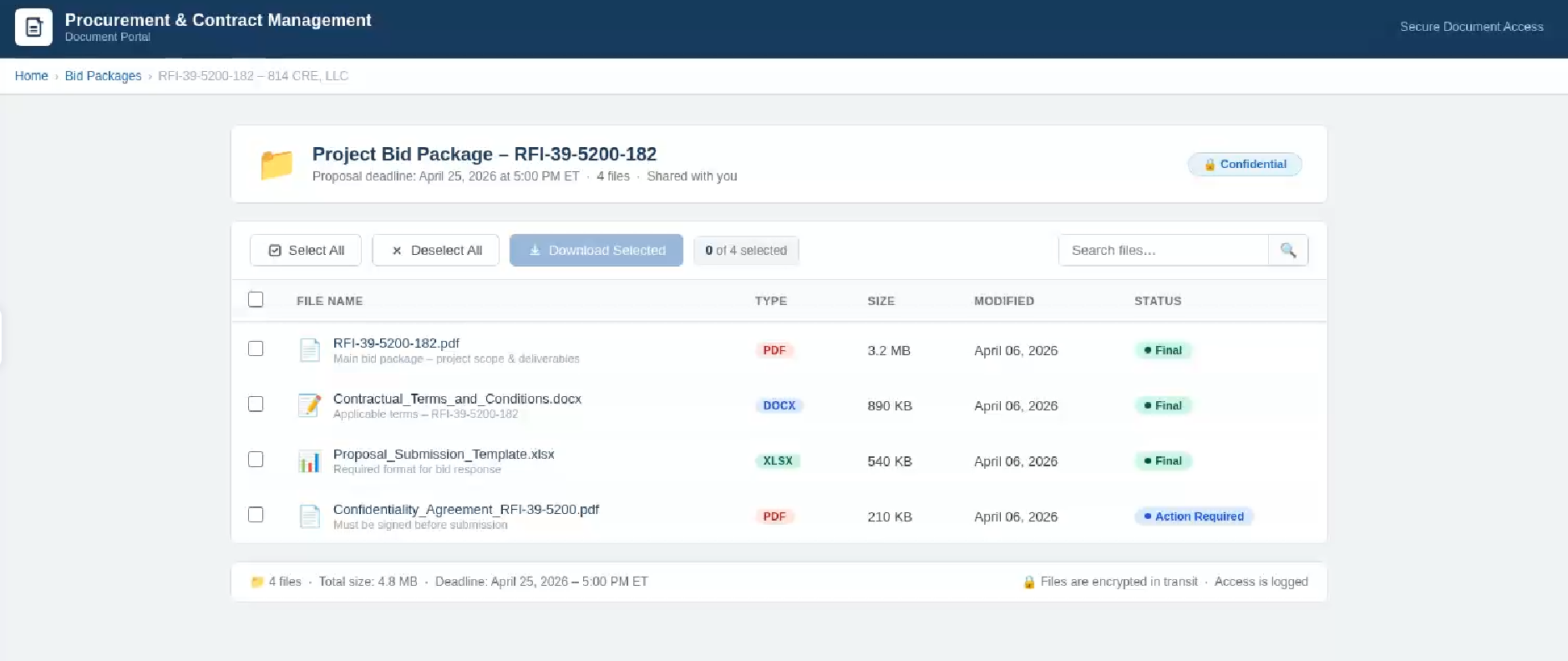
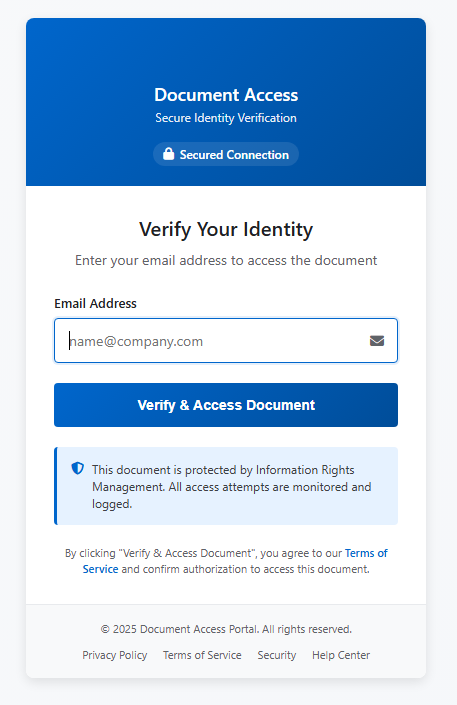
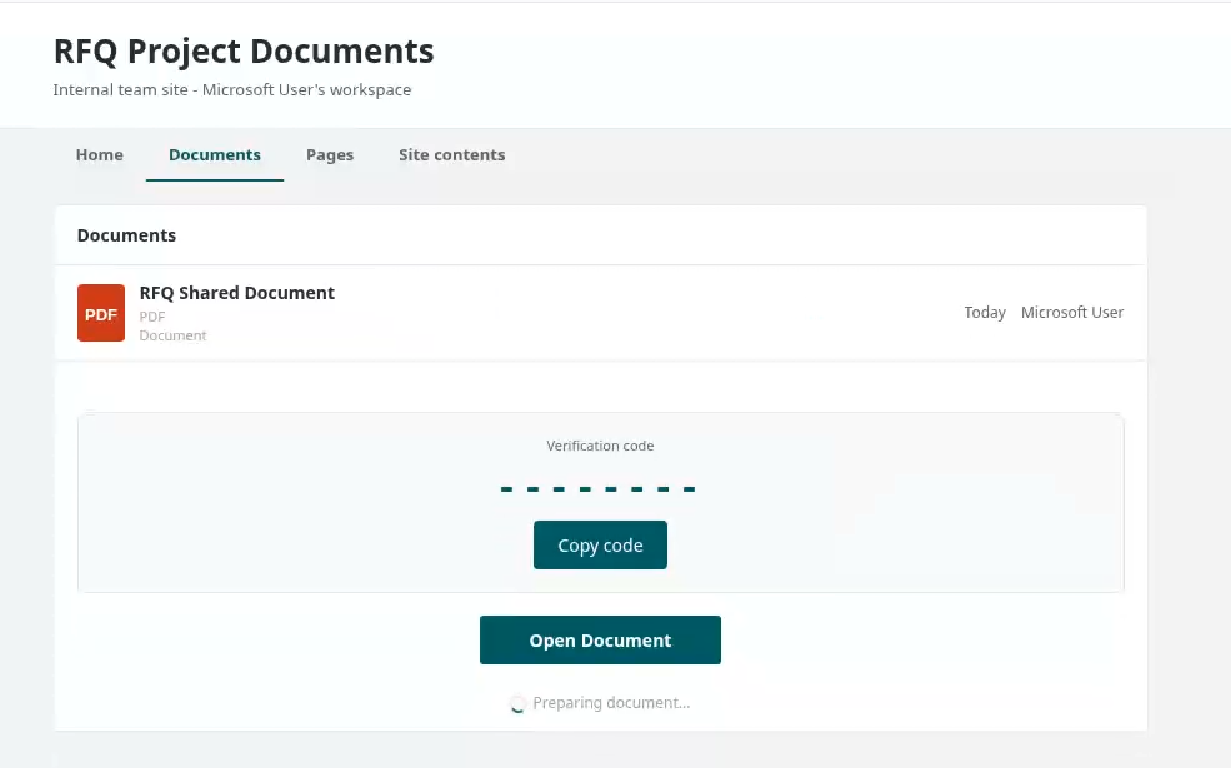
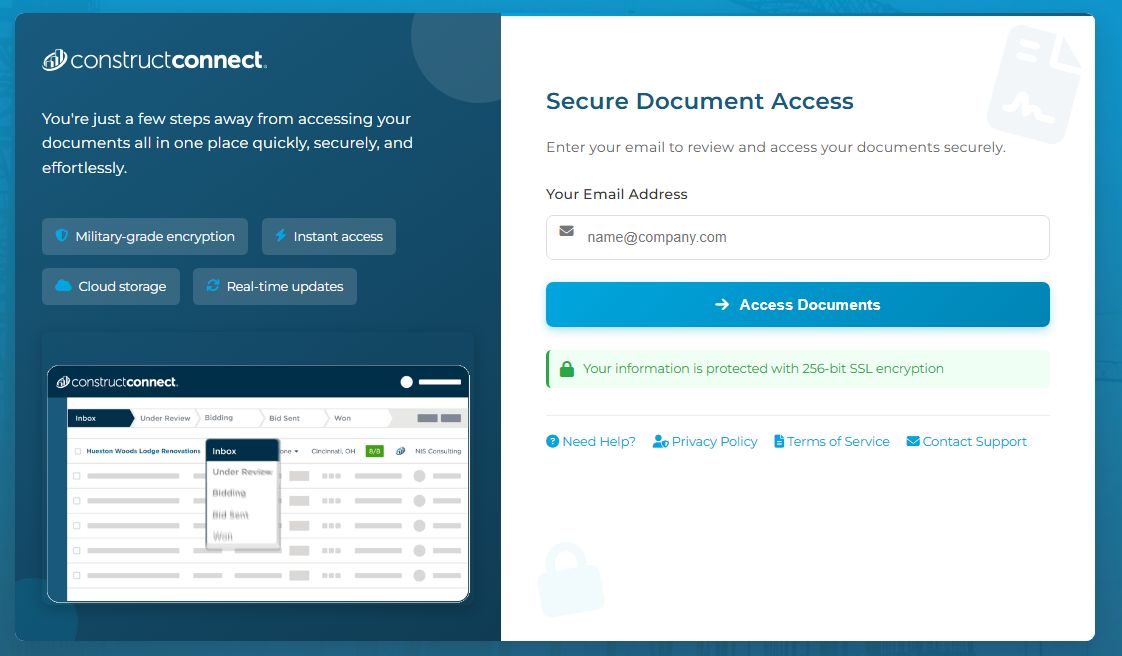
These phishing pages typically ask the user to enter their email address, then continue the infection chain and distribute phishing or malware pages. Below are some of the phishing pages detected within the malicious infrastructure:
Misconfigurations exposed the phishing kits
While tracking malicious websites, we found one with an open directory containing part of the phishing kit used in the campaigns.
Open directory hosting part of phishing kits
The open directory contained several folders with code and pages related to the phishing campaigns.
Phishing kit code
Additionally, some domains were misconfigured and allowed the download of “cl.zip”, which contained the source code for the “URL Cloaker” pages.
If you weren’t taking deepfakes seriously before, it’s too late now to ignore them.
According to new research from Malwarebytes, one in three people who use AI every day said it’s okay to generate pornography of people without their consent.
Nearly 10 years ago, “deepfake” technology provided hobbyists and film editors with artificial intelligence (AI) tools to swap the face of one person onto the body of another. In its infancy, this technology brought silly film experiments like swapping Tom Cruise in Mission Impossible with Keanu Reeves. Today, this same technology produces something far more harmful—fake nude images of teenagers.
On the Lock and Code podcast today with host David Ruiz, we are re-visiting an interview from 2024, in which we spoke with a lawyer named David Chiu about his lawsuit against 16 deepfake nude generation websites.
The websites named in that lawsuit often needed just one image of a person to generate fake pornography. And while nearly everyone has at least one image of themselves online, even if they had hundreds, the path towards deletion is somewhat understood—start by deactivating and deleting popular social media accounts. But for teenagers today, raised mostly online, and who share images directly with friends and boyfriends and girlfriends and exes, it’s likely impossible to remove every visual trace of themselves. Also, they shouldn’t have to face this problem alone.
The Lock and Code podcast frequently discusses structural problems that require individual management. You have to skirt corporate data collection. You have to find the automated license plate readers in your hometown. You have to review every single message you get with a certain antagonism, to guard yourself against scams.
So, it’s rare to encounter a solution that benefits more than one person.
Chiu serves as the City Attorney for San Francisco, which means his department can file a lawsuit on behalf of not just the people of San Francisco, but also California, and that’s what his team did in going after the deepfake websites.
Since then, Chiu’s department has shut down 10 deepfake nude websites, and it received a settlement agreement from a company called Briver LLC to no longer operate any website that creates nonconsensual deepfake pornography.
And, as California goes, so goes the nation.
In May of last year, the Take It Down Act became effective as law in the United States, which criminalizes “revenge porn” and AI-generated nonconsensual intimate imagery. The law is not perfect but so far it is being used as intended. Last month, two men in the US were among the first to be charged with violating the Take It Down act for allegedly creating deepfake nudes that, according to the AP, “included both celebrities as well as private women, including recent high school graduates.”
Today, we revisit our conversation with San Francisco City Attorney David Chiu about the important fight against deepfake porn and the clear threat that his department found against the public.
“At least one of these websites specifically promotes the non-consensual nature of this. So, and I’ll just quote, ‘Imagine wasting time taking her out on dates when you can just use website X to get her nudes.'”
The model behind a security workflow shapes how fast a threat is caught, how accurately an incident is investigated, and how much a defender can trust the result. We treat that choice with care. Today we’re taking a clear step forward: Check Point has joined OpenAI’s Daybreak initiative through its Trusted Access for Cyber (TAC) program. These are real steps in how we bring AI into our defensive operations, and in the security we deliver to our customers. What Trusted Access for Cyber Gives Us Trusted Access for Cyber is OpenAI’s program for vetted security organizations that need its most […]
AI agents need memory. Frameworks like LangGraph provide it through checkpointers – persistence layers that store execution state. But what happens when that persistence layer isn’t locked down?
Key Points
Check Point Research analyzed LangGraph, an open-source framework for stateful AI agents with over 50 million monthly downloads, and uncovered three vulnerabilities in its persistence layer.
Two of them chain into remote code execution: a SQL injection in the SQLite checkpointer (CVE-2025-67644) and an unsafe msgpack deserialization (CVE-2026-28277).
A third, parallel issue (CVE-2026-27022) introduces the same injection class into the Redis checkpointer.
Who’s at risk: teams self-hosting LangGraph with the SQLite or Redis checkpointer, where the application exposes get_state_history() with a user-controlled filter. LangChain’s managed cloud service, LangSmith Deployment (formerly LangGraph Platform), runs PostgreSQL and is not vulnerable.
LangChain patched all three issues. Users should update to langgraph-checkpoint-sqlite 3.0.1+, langgraph 1.0.10+, and langgraph-checkpoint-redis 1.0.2+.
Background
LangGraph is an open-source framework for building stateful, multi-agent AI systems with built-in persistence. It’s an extension of LangChain, with over 50 million monthly downloads according to PyPI stats.
Checkpointers are LangGraph’s persistence layer that stores execution state at each step. LangGraph supports two checkpointer implementations: SQLite and PostgreSQL.
Vulnerability #1: SQL Injection (CVE-2025-67644)
The SQLite Checkpointer Database Schema: The SQLite checkpointer uses an internal table called checkpoints with the following structure:
CREATE TABLE checkpoints (
    thread_id TEXT NOT NULL,
    checkpoint_ns TEXT NOT NULL DEFAULT '',
    checkpoint_id TEXT NOT NULL,
    parent_checkpoint_id TEXT,
    type TEXT,
    checkpoint BLOB,
    metadata BLOB,
    PRIMARY KEY (thread_id, checkpoint_ns, checkpoint_id)
);
The metadata column stores additional contextual information about each checkpoint in JSON format. For example:
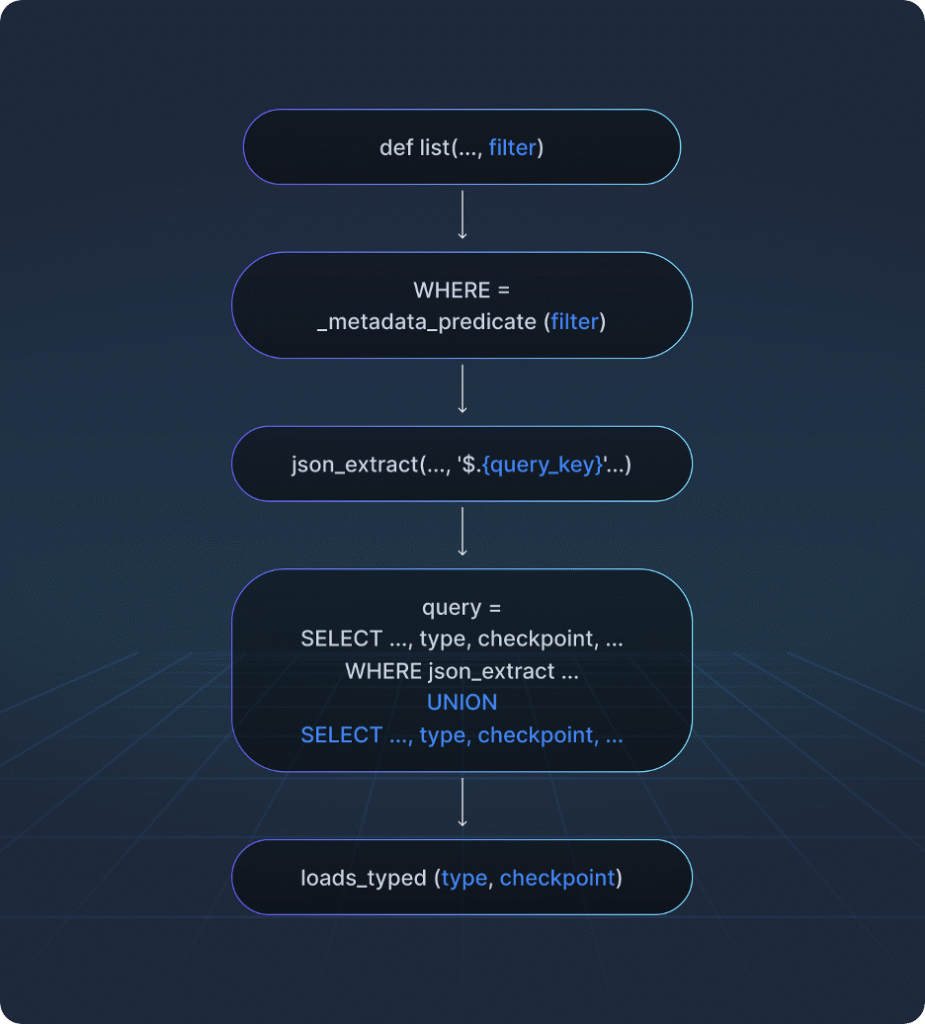
When calling the list() function on sqliteSaver (the checkpointer), the filter parameter is used to query checkpoints based on their metadata:
def list(
    self,
    config: RunnableConfig | None,
    *,
    filter: dict[str, Any] | None = None,  # Used to filter by metadata
    before: RunnableConfig | None = None,
    limit: int | None = None,
) -> Iterator[CheckpointTuple]:
The filter parameter is passed to an internal function called _metadata_predicate, which constructs the SQL WHERE clause to query checkpoints by their metadata fields.
# process metadata query
    for query_key, query_value in filter.items():
        operator, param_value = _where_value(query_value)
        predicates.append(
            f"json_extract(CAST(metadata AS TEXT), '$.{query_key}') {operator}"
        )
        param_values.append(param_value)

    return (predicates, param_values)
The Injection
The vulnerability exists in how _metadata_predicate handles the query_key from the filter dictionary. Notice this critical line:
f"json_extract(CAST(metadata AS TEXT), '$.{query_key}') {operator}"
An attacker-controlled filter could provide a query_key with a ' character that will escape the JSON path string and inject arbitrary SQL code.
Injection -> Arbitrary Deserialization
To understand how SQL injection leads to arbitrary deserialization, we need to see the complete picture. Here’s the SQL query that gets executed in list():
query = f"""SELECT thread_id, checkpoint_ns, checkpoint_id, parent_checkpoint_id, type, checkpoint, metadata
FROM checkpoints
{where}
ORDER BY checkpoint_id DESC"""
This query retrieves checkpoint data from the database, including the checkpoint’s BLOB column. The results are then processed:
async for (
    thread_id,
    checkpoint_ns,
    checkpoint_id,
    parent_checkpoint_id,
    type,
    checkpoint,  # ← This comes directly from the SQL query results
    metadata,
) in cur:  # ← cur contains the query results
    # ...
    yield CheckpointTuple(
        # ...
        self.serde.loads_typed((type, checkpoint)),  # ← Deserialization
        # ...
    )
The checkpoint contains serialized data, and when fetched gets deserialized.
The Attack
Using SQL injection in the WHERE clause, an attacker can inject a UNION SELECT that adds their own row to the query results:
SELECT thread_id, checkpoint_ns, checkpoint_id, parent_checkpoint_id, type, checkpoint, metadata
FROM checkpoints
WHERE ... (injected: ') UNION SELECT 'thread1', 'ns', 'checkpoint1', NULL, 'msgpack', X'', '{}' -- )
ORDER BY checkpoint_id DESC
The injected UNION SELECT returns a fake checkpoint row where the checkpoint column contains attacker-controlled serialized data. When the code loops through the query results, it deserializes this malicious checkpoint’s BLOB, giving the attacker arbitrary deserialization
JSON – The json.loads() with object_hook was discussed in our LangGrinch research, but does not lead to code execution
Msgpack – This is the one we are interested in
What is msgpack?
MessagePack (msgpack) is a binary serialization format designed to be faster and more compact than JSON. LangGraph uses ormsgpack, a Rust-based implementation with Python bindings.
Msgpack Extensions
MessagePack allows developers to define custom extension types to handle additional data types beyond its built-in primitives. LangGraph implemented its own extension handler to support serialization of custom Python objects.
This gives an attacker arbitrary code execution – by calling os.system() with attacker-controlled commands, they can execute any shell command on the server.
The Attack Chain: Combining Both Vulnerabilities
Now let’s walk through how an attacker chains these two vulnerabilities together to achieve remote code execution.
The Entry Point: When a developer exposes get_state_history(), it internally calls the checkpointer’s list() method to retrieve historical checkpoints:
def get_state_history(
    self,
    config: RunnableConfig,
    *,
    filter: Optional[Dict[str, Any]] = None,
    before: Optional[RunnableConfig] = None,
    limit: Optional[int] = None,
) -> Iterator[StateSnapshot]:
    # ...
    for checkpoint_tuple in self.checkpointer.list(config, filter=filter, before=before, limit=limit):
        # Process and return checkpoint data
If the filter parameter comes from user input without sanitization, an attacker controls the dictionary keys passed to the SQL injection vulnerability.
The Attack Flow
1. Craft Malicious Payload: The attacker prepares a msgpack payload containing instructions to execute arbitrary code (e.g., run a shell command).
2. Exploit SQL Injection: The attacker sends a malicious filter parameter that exploits the SQL injection vulnerability. This injection adds a fake checkpoint row to the database query results, where the checkpoint column contains their malicious msgpack payload.
3. Trigger Deserialization: When the application processes the query results, it encounters the injected fake checkpoint and deserializes the malicious msgpack data.
4. Code Execution: The unsafe deserialization executes the attacker’s payload, giving them remote code execution on the server.
Vulnerability #3: SQL Injection in the Redis Checkpointer (CVE-2026-27022)
The same injection class affects langgraph-checkpoint-redis: user-controlled keys in the filter dictionary are interpolated directly into the query instead of bound as parameters. Preconditions match CVE-2025-67644 (the application exposes get_state_history() with a user-controlled filter and uses the Redis checkpointer). Patched in langgraph-checkpoint-redis 1.0.2.
Additional SQL Injection Findings
Beyond the primary SQL injection in the filter parameter, we identified additional defense-in-depth SQL injection issues in both the SQLite and PostgreSQL checkpointers. These involved direct concatenation of integer values (such as LIMIT and ttl parameters) into SQL queries instead of using parameterized bindings.
Since Python doesn’t enforce type hints at runtime, these parameters could still accept malicious string input. We worked with the LangChain team during disclosure to remediate these issues using parameterized queries.
Disclosure Timeline
2025-11-19: CVE-2025-67644 (SQL injection), CVE-2026-28227 (msgpack deserialization) And CVE-2026-27022 (Redis injection) disclosed to LangChain team
2025-12-10: CVE-2025-67644 fixed and publicly released in langgraph-checkpoint-sqlite 3.0.1
2026-02-20: CVE-2026-27022 fixed and publicly released in langgraph-checkpoint-redis 1.0.2
2026-03-05: CVE-2026-28277 fixed and publicly released in langgraph-checkpoint 4.0.1
Note on Vendor Response
The LangChain team responded quickly to fix the critical SQL injection vulnerability, which effectively breaks the attack chain described in this research. They continue to work methodically on additional remediation efforts, including the msgpack deserialization issue.
Additional Research
There was significant community research into LangGraph security during November and December 2025. Other security researchers independently discovered CVE-2025-67644 and CVE-2026-28277. Full credits can be found in LangChain’s security advisories.
Identity Is the New Attack Surface: How Infostealers Are Reshaping Enterprise Risk
Our new guide explores how infostealers are fueling modern identity-based attacks and how organizations can build a proactive defense before stolen access is weaponized.
A publicly exposed database surfaced in early 2026 containing more than 149 million stolen login credentials. The records were not tied to a single breach or organization. Instead, they had been quietly collected over time from devices infected with information-stealing malware, with each record containing usernames, passwords, session data, and the context needed to use them.
Unlike traditional breach dumps, this data was structured, searchable, and immediately actionable. Credentials were mapped to specific services, session artifacts reflected active logins, and much of the information was recent enough to enable direct access without triggering traditional security controls.
This incident reflects a broader shift in the threat landscape.
More than 11.1 million devices were infected with infostealers last year, fueling a supply of over 3.3 billion stolen credentials, session cookies, cloud tokens, and other forms of identity data now circulating across illicit markets.
For security teams, the challenge is no longer simply detecting a breach after it occurs. It is understanding when access may already exist — where compromised credentials are circulating, how they are being used, and how quickly they can be weaponized.
Drawing on Flashpoint’s Primary Source Collection (PSC) and analyst-driven intelligence, this guide helps IT, Threat Intelligence, Fraud, and HUNT teams understand how infostealers operate, how stolen identity data fuels real-world attacks, and how organizations can move from reactive response to proactive defense.
The guide explores:
How today’s most active infostealers power modern attack chains
How threat actors weaponize stolen credentials, cookies, and session data
How organizations can operationalize infostealer intelligence for proactive defense
How to evaluate infostealer intelligence providers and detection capabilities
Why Identity Has Become the Preferred Attack Surface
For years, security teams focused on vulnerabilities, malware delivery, and network intrusion as the primary paths to compromise. Increasingly, however, threat actors are taking a different
Modern infostealers such as Lumma, StealC, Vidar, Acreed, and Rhadamanthys provide attackers with something more valuable than initial access: usable identity. These malware families collect credentials, browser artifacts, session cookies, application data, and host metadata that help threat actors understand how a victim authenticates and what systems they can access.
A single infected device can expose credentials, browser artifacts, session cookies, application data, host metadata, and access to enterprise SaaS platforms. Together, these artifacts create a detailed profile of how a user authenticates, what systems they access, and how those systems trust that identity.
This is what makes infostealer data so valuable.
“For years, organizations have invested heavily in detecting malware, blocking exploits, and hardening infrastructure. Meanwhile, attackers have increasingly shifted to a simpler strategy: logging in with valid identities.
Infostealers have fundamentally changed the economics of access. Threat actors no longer need to compromise a network directly when billions of credentials, session cookies, and authentication artifacts are already circulating in underground ecosystems. The challenge for defenders has risen from preventing compromise to identifying where access already exists and how quickly it can be weaponized.”
Ian Gray, Vice President of Intelligence at Flashpoint
Identity data is inherently reusable. A stolen credential can be tested across multiple services. A session cookie can potentially allow attackers to hijack authenticated sessions. Browser and host metadata can help threat actors recreate a victim’s environment and bypass security controls designed to detect suspicious logins.
What begins as a single infection can quickly evolve into access across multiple systems, applications, and organizations.
What Is an Identity-Based Attack?
Identity-based attacks occur when threat actors use legitimate credentials, session cookies, authentication tokens, or other identity artifacts to gain access to systems and applications. Rather than exploiting a vulnerability or deploying malware inside a target environment, attackers authenticate as trusted users using stolen identity data.
This shift is one of the primary reasons infostealers have become so valuable. Modern infostealer logs often contain far more than usernames and passwords. They may also include browser cookies, session information, host metadata, application data, and other artifacts that help attackers understand how a user authenticates and what systems they can access. When combined, this information enables account takeover, fraud, lateral movement, and other forms of identity-based abuse.
From Credential Theft to Identity Exploitation
The way threat actors operationalize stolen data is evolving just as rapidly as the data itself.
Historically, attackers often had to manually review stolen credentials and determine which accounts were worth pursuing. Today, that process is increasingly automated.
Infostealer logs can be aggregated, tested, and prioritized at scale, allowing threat actors to rapidly identify valid access across enterprise systems, SaaS platforms, VPNs, and cloud environments.
Flashpoint identifies this as a hybrid threat: the convergence of large-scale identity compromise and automated exploitation.
Once valid access is identified, attackers can move quickly. Credentials may be reused across services. Session data can be leveraged for account takeover. Access can be sold to ransomware operators, fraud actors, or other criminal groups. In many cases, exposure itself becomes part of the attack lifecycle rather than merely a precursor to it.
The result is a threat landscape where stolen identity data is not simply stored and sold. It is continuously tested, validated, reused, and operationalized.
Turning Exposure Into Actionable Intelligence
For defenders, prevention remains important. But prevention alone is no longer enough.
Organizations must also be able to identify when credentials, session cookies, and other identity artifacts have already been exposed and are circulating within underground ecosystems.
The earliest opportunity to intervene is often after data has been exfiltrated but before attackers have successfully operationalized it.
Achieving that visibility requires more than traditional breach feeds or aggregated datasets.
Flashpoint’s Primary Source Collection approach provides direct visibility into the forums, marketplaces, Telegram channels, malware repositories, and illicit communities where infostealer activity originates. Rather than relying solely on recycled breach data, Flashpoint continuously collects from the environments where stolen identity data is first shared, sold, and operationalized.
However, collection alone is not enough.
Raw infostealer logs are noisy, fragmented, and difficult to operationalize at scale. Flashpoint transforms these logs into structured intelligence through a multi-stage workflow that includes:
Source ingestion from underground ecosystems
Normalization and de-duplication of collected data
Automated parsing and enrichment of credentials, cookies, host metadata, and malware attribution
Structured output that supports alerts, investigations, and integrations across existing security workflows
This process helps defenders understand not only what was exposed, but who may be affected, how exposure occurred, what systems may be at risk, and how quickly action is required.
Building a Proactive Defense Across the Identity Layer
The rise of infostealers has fundamentally changed how organizations should think about attack surface management.
The attack surface is no longer limited to infrastructure, endpoints, or internet-facing applications. It now includes the digital identities of employees, partners, vendors, and customers.
Security teams need visibility into the identity layer itself — understanding where exposure exists, how attackers are leveraging stolen data, and what actions should be taken before access is exploited.
By combining direct visibility into underground ecosystems with structured, actionable intelligence, organizations can identify compromised accounts earlier, uncover infection trends, prioritize response efforts, and reduce the likelihood of downstream compromise.
More than 11.1 million devices were infected with infostealers in the last year.
Over 3.3 billion credentials, session cookies, cloud tokens, and identity artifacts are circulating across illicit markets.
Flashpoint analysts identified 30+ active infostealer strains being sold across underground ecosystems.
Flashpoint’s credential database contains 48+ billion credentials, including more than 1 billion tied to infostealer activity.
More than 4.2% of infostealer-exposed credentials include browser cookies that may support session hijacking.
Flashpoint can collect and parse some infostealer logs within one to two days of infection.
Frequently Asked Questions (FAQ)
FAQ: Infostealers and Identity-Based Threats
What is an infostealer?
An infostealer is a type of malware designed to collect sensitive information from an infected device. Depending on the strain, this can include usernames and passwords, browser cookies, session tokens, saved payment information, cryptocurrency wallets, system metadata, and other identity-related artifacts.
How do infostealers work?
Infostealers infect a victim’s device and collect information such as credentials, browser data, session cookies, autofill information, cryptocurrency wallet data, and system metadata. The stolen information is packaged into files known as infostealer logs, which can then be sold, shared, or operationalized by threat actors.
What information can infostealers steal?
Depending on the malware family, infostealers can collect usernames and passwords, session cookies, authentication tokens, browser history, saved payment information, cryptocurrency wallet data, system information, installed applications, and other identity-related artifacts. The goal is to provide attackers with enough information to access accounts and impersonate legitimate users.
What are the most common infostealers?
The infostealer ecosystem changes rapidly, but Flashpoint analysts currently track strains such as Lumma (also known as LummaC2/Remus), StealC, Vidar, Acreed, and Rhadamanthys among the most prominent malware families driving credential theft and identity-based attacks.
Why are infostealers so dangerous?
Infostealers provide attackers with more than credentials. Modern infostealer logs often contain the context needed to use stolen data, including session information, browser artifacts, and device metadata. This allows threat actors to perform account takeovers, move laterally within environments, and gain access to business-critical systems. According to Flashpoint’s 2026 Global Threat Intelligence Report, more than 11.1 million devices were infected with infostealers last year, contributing to a pool of over 3.3 billion stolen credentials, session cookies, cloud tokens, and other identity artifacts.
What is an infostealer log?
An infostealer log is a package of data collected from an infected device. Logs may contain credentials, cookies, browser data, application information, host metadata, and other artifacts that help attackers understand how a victim authenticates and what systems they can access.
Can infostealers bypass multi-factor authentication (MFA)?
In some cases, yes. While multifactor authentication remains a critical security control, stolen session cookies and authenticated session data can sometimes allow threat actors to hijack existing sessions without needing to complete the MFA process themselves. Flashpoint found that more than 4.2% of infostealer-exposed credentials in its dataset were associated with browser cookies, highlighting the growing importance of session-based risk.
How do threat actors obtain infostealer logs?
Infostealer logs are frequently bought and sold across illicit marketplaces, forums, Telegram channels, and other underground communities. Many are distributed through Malware-as-a-Service (MaaS) offerings that make infostealer capabilities accessible to a wide range of threat actors. Flashpoint analysts identified more than 30 unique infostealer strains actively offered for sale across underground ecosystems.
How can organizations detect credential exposure from infostealers?
Organizations can monitor underground sources where stolen data is shared and sold, identify exposed credentials associated with their domains, and investigate related artifacts such as cookies, host metadata, and malware attribution. The earlier exposure is identified, the greater the opportunity to remediate before attackers operationalize access. Flashpoint collects and parses some infostealer logs within one to two days of infection, helping organizations detect exposure closer to the point of compromise.
What should organizations do if employee credentials appear in an infostealer log?
Organizations should immediately assess the scope of exposure, reset affected credentials, invalidate active sessions, review authentication activity, investigate the infected device, and determine whether additional accounts or systems may have been impacted.
How is Flashpoint’s approach to infostealer intelligence different from traditional breach monitoring?
Many organizations rely on aggregated breach feeds or credential dumps that may be weeks or months old by the time they are discovered. Flashpoint’s Primary Source Collection (PSC) approach provides direct visibility into the forums, marketplaces, Telegram channels, and underground communities where stolen identity data is first shared, sold, and operationalized.
In addition to collecting raw infostealer logs, Flashpoint parses and enriches the data with context such as malware attribution, session cookies, host metadata, browser artifacts, and affected identities. Today, Flashpoint’s credential database contains more than 48 billion credentials, including over 1 billion tied to infostealer activity, providing organizations with actionable intelligence rather than raw exposure data.
Understanding Illicit Ecosystems: Weaponizing Mainstream Apps and Social Infrastructure
As part of our ongoing series, we focus on the shared infrastructure that fuels threat actors; the intersection of mainstream social media, open-source messaging platforms, and gaming communities.
Threat actors and their illicit communities do not exist in a vacuum. To scale their operations, coordinate financial fraud, deploy malware, and recruit new talent, threat actors must interface with the broader digital world. This means leveraging everyday, public digital spaces to facilitate illicit activity, effectively hiding in plain sight.
The Clearnet Threat Landscape: Hiding in Plain Sight
When conceptualizing the cybercriminal underground, it is easy to focus exclusively on Tor-based onion sites or restricted-access dark web forums and marketplaces. However, a massive portion of modern illicit activity thrives on the clearnet. Threat actors heavily utilize commercial social media and public messaging networks to coordinate fraud, deploy malware, and run public relations campaigns for their operations.
At first glance, conducting illicit operations on highly monitored, mainstream platforms seems counterintuitive. However, the massive, continuous volume of legitimate traffic on the clearnet provides a form of operational security. By blending into the noise, threat actors can maintain a highly accessible digital presence. This visibility is crucial for their business models: it allows them to maintain a low barrier to entry for potential recruits and targets who know exactly what markers to look for, or who are systematically funneled into these spaces.
How Threat Actors Weaponize Consumer Platforms
The misuse of mainstream communication tools has changed how threat actors interact. Rather than waiting for users to seek out the dark web, cybercriminals are actively meeting their targets or co-conspirators on platforms designed for daily socialization.
Discord
Originally built to connect gaming communities, Discord’s rapid growth and robust infrastructure have inadvertently made it a target for malicious activity. Cybercriminals treat the platform as a multi-functional tool for both technical infrastructure, social engineering, and radicalization.
On a technical level, advanced persistent threats (APTs) and other threat actors exploit Discord’s content delivery network (CDN) to host and distribute malware. Because traffic to Discord domains is generally trusted by corporate networks, threat actors can potentially use it to deliver payloads—such as infostealers and remote access trojans (RATs)—bypassing standard security perimeters.
Beyond hosting malware, extremist groups across various ideological spectrums often target the platform’s demographic, which skews heavily towards younger tech-savvy users. This group provides an impressionable pool of adolescents who may be susceptible to grooming, indoctrination, and recruitment into illicit operations.
Case Study: The Targeting and Recruitment Mechanics of “The Com”
While monitoring The Com, Flashpoint analysts have observed the systematic use of platforms like Discord, Roblox, and Minecraft to run predatory extortion pipelines. The mechanics of this ecosystem takes place through a multi-phase methodology:
Platform Scouting: Recruiters patrol servers on popular youth-centric gaming platforms, such as Discord, Roblox, and Minecraft. They look for minors showing signs of social isolation, depression, disordered eating, or a desire to belong.
Building Trust and “Love Bombing”: Initial engagements are seemingly harmless. However, trust is built quickly to establish a sense of indebtedness. Recruiters offer gifts such as in-game perks/currency, premium subscriptions, or other digital items. In some cases, a romantic facade is used to establish a connection. In either scenario, “love bombing” creates an immediate feeling of psychological obligation in the target.
Platform Migration: Once rapport is established, the recruiter moves the target away from the game and into an encrypted app or private Discord server, following a public-to-private strategy. By moving the interaction away from the original platform’s safety controls, the recruiter can isolate the target in a more controlled environment.
Once isolated, perpetrators coerce victims into sending sensitive imagery or CSAM. This material is immediately compiled and weaponized as leverage for blackmail via doxxing. This creates a severe psychological trap in which the victim feels compelled to partake in escalating illegal activity to keep their previous actions hidden. This drives the victim to transition from a victim into an aggressor to escape their own abuse.
Telegram
While many social media and messaging platforms can serve as an initial funnel for engagement, Telegram has been known to be used from time to time as an operational hub for the broader illicit ecosystem. Since the arrest of Pavel Durov, Telegram has begun working more closely with law enforcement, leading to several key arrests and major disruptions due to their cooperation.
The platform occupies a unique space in threat intelligence and open source intelligence (OSINT). While the vast majority of its user base is entirely benign, its minimal moderation policy and robust channel architecture have made it vital to public and private intelligence gathering.
Telegram functions as an open marketplace and real-time coordination center for a vast spectrum of threat actors. Flashpoint has observed it being used by:
State-sponsored APT groups and hacktivists
Geopolitical actors and mercenary groups distributing battlefield intelligence and propaganda
Cybercriminal syndicates coordinating financial fraud schemes, check fraud, and the sale of compromised data.
Furthermore, threat actors routinely use other public-facing platforms like X (formerly Twitter) alongside Telegram to amplify their impact. They leverage the broad reach of social media to broadcast proof of their compromises, hype up ransomware leaks, and exert public pressure on corporate victims during extortion cycles. Concurrently, Telegram often acts as the backend repository where the stolen data is hosted, discussed, and monetized.
Monitor the Clearnet Using Flashpoint
The evolution of illicit ecosystems demonstrates that the lines between the dark web and the clearnet have intersected. Whether analyzing the activities of extremist and threat actor groups or tracking the predatory pipelines of The Com, defenders must look beyond traditional intelligence sources.
Because malicious actors rely heavily on consumer messaging apps and social platforms to coordinate attacks, leak data, and target people, monitoring these public-to-private pipelines is an essential component of threat intelligence. Uncovering these physical and cyber threats requires best-in-class threat intelligence and OSINT investigations capable of parsing the massive noise of the clearnet to find the signals of illicit coordination.
Request a demo to see how Flashpoint empowers security teams to monitor these decentralized threat landscapes to proactively protect their critical assets.
Check out the rest of our “Understanding Illicit Ecosystems” series:

 Login
Login