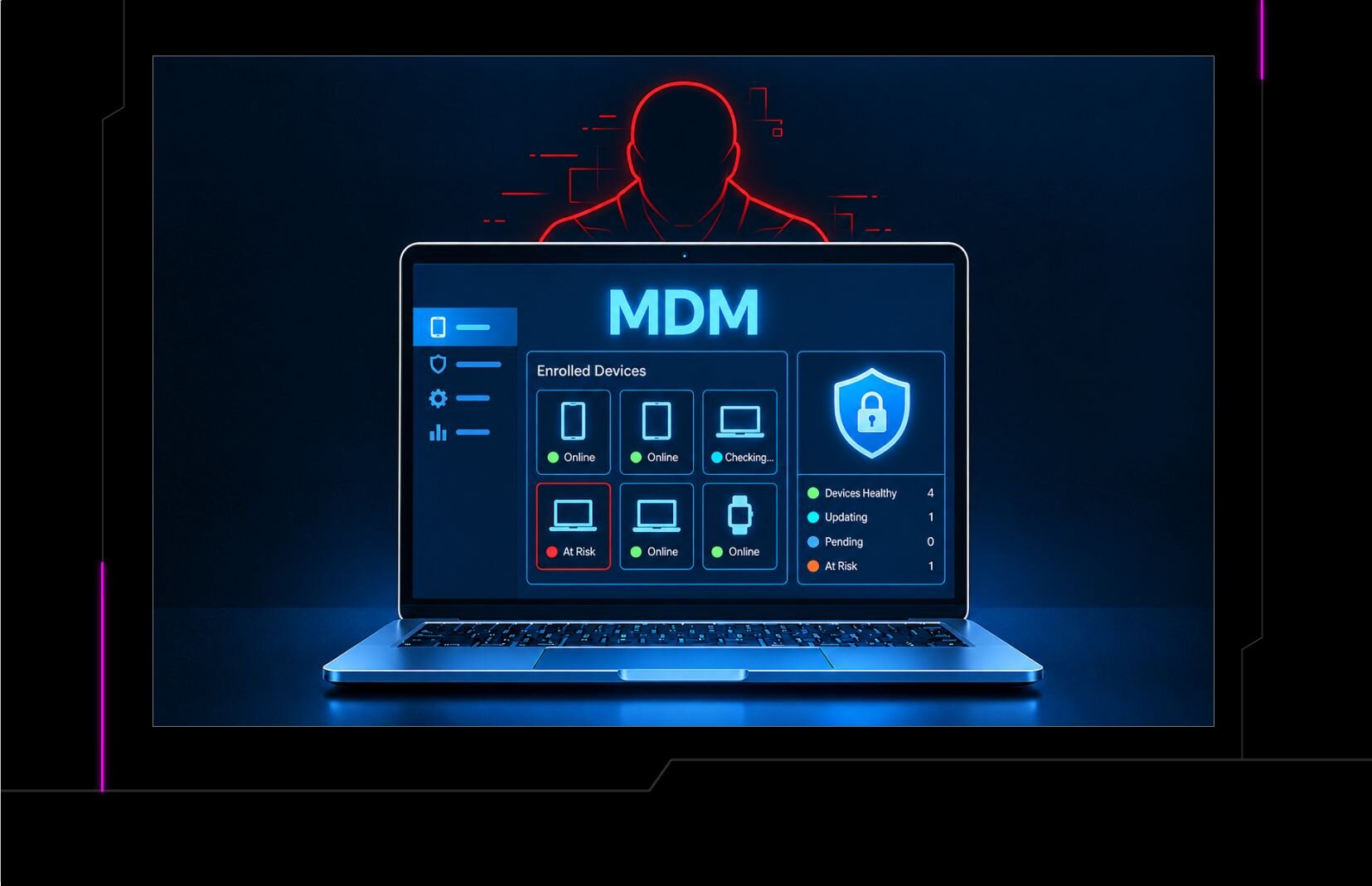
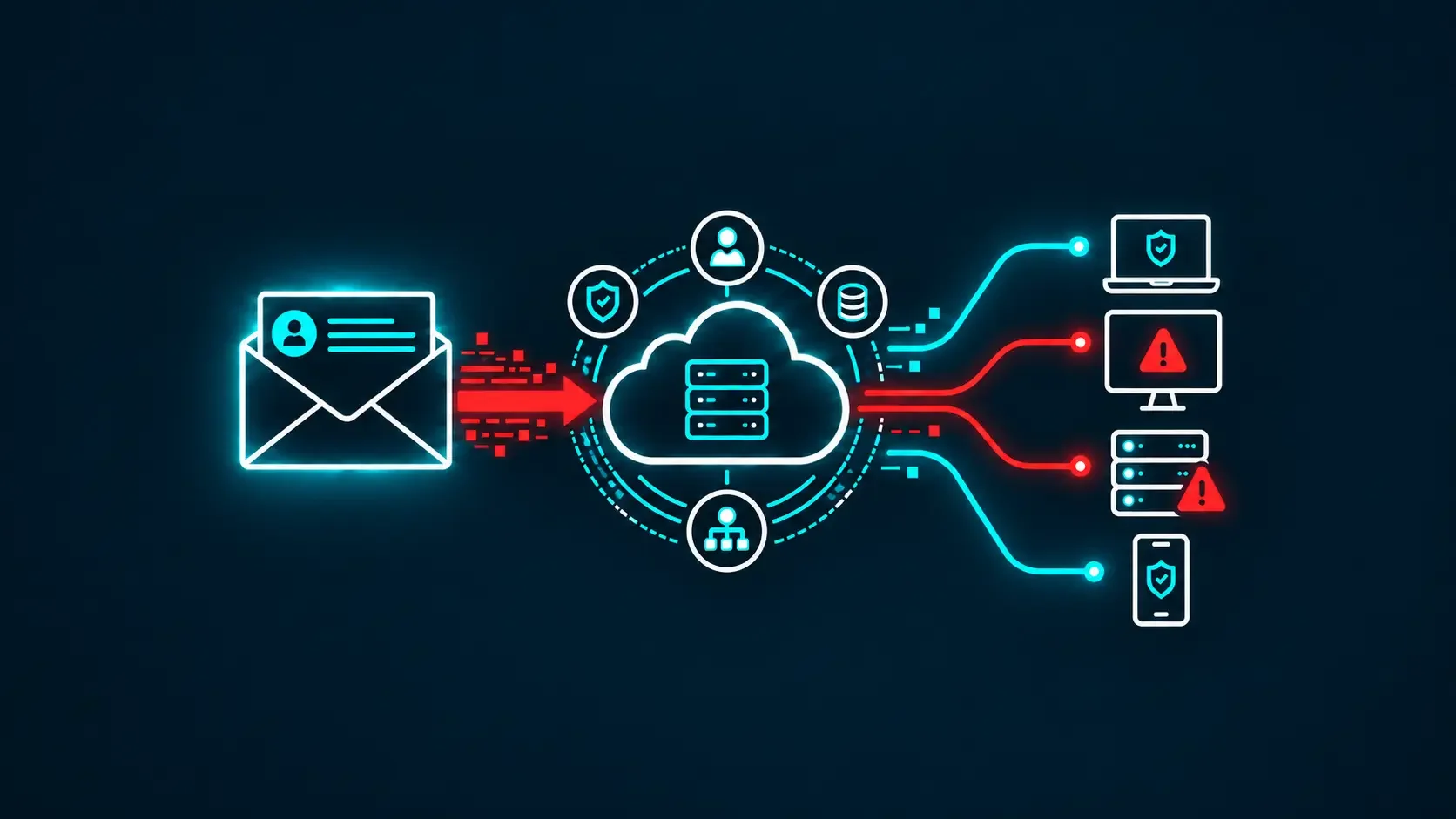
You might not expect a disaster recovery company to weigh in on business email compromise (BEC). But the fact that we are the ones talking about it is a sign that, too often, something’s gone wrong.
When we give our private information to the government to pay taxes, apply for a job, or vote, we should be able to trust that our data won't later be used against us. But in a betrayal of that trust, the federal government has been pooling the information it has about us on an unprecedented scale—and using it for purposes we never agreed to.
For over 35 years, EFFector has been your guide to understanding the intersection of technology, civil liberties, and the law. This issue covers our free tracker blocker coming to Safari, a call to action for net neutrality in California, and a big win in our lawsuit against the DOGE data grab.
Prefer to listen in? EFFector is now available on all major podcast platforms. This time we're talking to EFF's F. Mario Trujillo about the dangers of government data grabs—and what defenders of privacy are doing to stop it. You can find the episode and subscribeon your podcast platform of choice:
Want to protect your right to digital privacy? Sign up for EFF's EFFector newsletter for updates, ways to take action, and new merch drops. You can also fuel the fight for privacy and free speech online when you support EFF today!
HomeWizard introduceert de Temperature Humidity Meter voor het meten van de temperatuur en luchtvochtigheid. Het apparaatje werkt op een oplaadbare accu en vereist geen hub of bridge. De Temperature Humidity Meter is vanaf 27,95 euro verkrijgbaar en wordt vanaf 30 november geleverd.
De Nederlandse politie heeft in een internationaal onderzoek naar een hostingbedrijf tientallen servers in beslag genomen bij een datacentrum in Limburg. Het bedrijf zou betrokken zijn bij uiteenlopende vormen van cybercrime, van ransomware en infostealers tot phishing en kindermisbruikmateriaal.
OpenAI is van plan om tensor processing units van Google te kopen. Dat melden Bloomberg en The Information op basis van ingewijden. Het bedrijf zou zo minder afhankelijk worden van Nvidia, wiens chips OpenAI nu voornamelijk gebruikt voor het trainen en draaien van zijn AI-modellen.
Microsoft again asked Entra ID administrators to migrate users to phishing-resistant methods to avoid sign-in disruptions before it retires SMS and voice authentication in February 2027. [...]
Attackers are actively exploiting vulnerabilities across critical network infrastructure, and PHP flaws known as "PHP2Shell" put the web management interfaces of firewalls, VPNs, application delivery controllers, and other appliances at risk. [...]
The massive funding round comes just days after reports emerged that Upwind had attracted acquisition interest from several companies, including Datadog
PHP2Shell shows how quickly attackers can exploit critical vulnerabilities, often before organizations have time to patch. Token Security explains why limiting the access of service accounts, API keys, and AI agents is just as important as fixing vulnerabilities to reduce the damage from a breach. [...]
This week, Axios reported that major US banks were detecting third-party AI agents operating inside customer accounts. In many cases, customers have given the agents their usernames and passwords so they could act on their behalf. This kind of access can violate a bank’s rules.
“Are you protecting me, or are you protecting your own profits?”
Bianco described traditional finance’s business model as “based on laziness.” Customers may leave idle cash in low- or no-interest bank accounts rather than move it into a money market fund. An AI agent could make that move for them. “Now that you’re able to do it, the banks are afraid they’re gonna lose that revenue stream,” he said.
The banks offer a different explanation. JPMorgan Chase CEO Jamie Dimon said the bank wouldn’t allow just any outside agent into its systems because doing so was “too risky for clients and for JPMorgan.”
Both explanations can be true: banks can want to retain deposits while also facing real security problems when software acts through customers’ accounts.
Handing over your banking login introduces another service into the security chain. A vulnerability in that service could expose your credentials or allow your account to be misused. And as Bank of America reportedly pointed out:
“If you do share your credentials, keep in mind that you’re responsible for activity resulting from that access.”
That’s the bank’s stated position, not a universal ruling on consumers’ legal rights. Still, it’s a warning worth taking seriously.
Pros and cons
An AI agent with permission to make purchases might find and buy an item at a lower price. But giving an agent access to your bank account also means sharing sensitive banking information with a third party. We’ve seen shared AI chats become searchable online too.
Axios reported that many banks allow, or are moving toward allowing, read-only access. This can let a tool analyze transactions without giving it permission to move money.
That’s an important boundary, but it doesn’t make the information harmless. An agent that can read bank statements may still disclose them if it’s compromised or manipulated. Preventing transactions and protecting confidentiality are separate security goals.
How to keep control of your money
For consumers, the practical question is not whether banks have perfectly selfless motives. It’s what access you’re giving away, and what could happen if the agent makes a mistake.
Don’t paste banking passwords or security codes into a general-purpose AI assistant. Major banks have explicitly warned customers against sharing their credentials.
Use your bank’s approved connection methods rather than giving an agent your login. Where supported, choose read-only access if all you need is analysis or budgeting help.
Give agents access to as little sensitive information as possible. An assistant comparing publicly advertised savings rates doesn’t need your bank statements. OpenAI recommends limiting agents to the data and credentials they need for the task.
Review consequential actions yourself. If an agent asks for confirmation, check exactly what it intends to do and what information it will share. Don’t treat a confirmation prompt as a formality.
AI can make it easier to compare financial products and spot opportunities you might otherwise miss. But an assistant that finds a better rate and an agent that can act inside your account are different propositions.
Let it help with the homework, but be cautious about handing it the keys.
Let’s face it, an incognito window can only do so much.
Breaches, dark web trading, credit fraud. Malwarebytes Identity Theft Protection monitors for all of it, alerts you fast, and comes with identity theft insurance.
De thuiskopieheffing in Nederland wordt vanaf 2027 op een andere manier berekend. Daardoor stijgen sommige tarieven, zoals die voor e-readers, terwijl andere dalen. Ook zijn sommige apparaten, zoals externe ssd's, nu vrijgesteld van de heffing, terwijl voor nassen nu wel een vergoeding geldt.
Threat actors are beginning to probe for a newly patched critical vulnerability in Oracle E-Business Suite (EBS), according to threat intelligence firm Defused Cyber.
The vulnerability in question is CVE-2026-101767 (CVSS score: 9.8) in the Oracle Application Object Library of Oracle E-Business Suite. It was patched by Oracle last week as part of its Critical Patch Update.
Security researchers
 Login