❌

Reading view

My Website Is Hosting a Phishing Page – Now What?
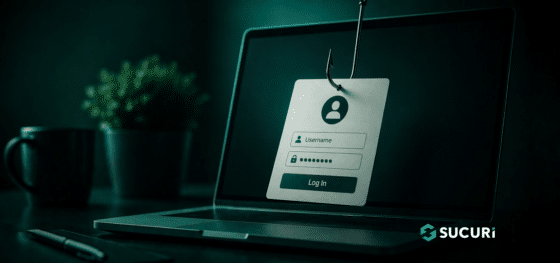
My Website Is Hosting a Phishing Page – Now What?

Most phishing advice is written for the person staring at a suspicious email. This guide is for the other kind of victim: The website owner whose legitimate site has been quietly turned into the attacker’s weapon.

You didn’t send the message or build the fake login page. You just woke up to a browser warning, a suspended hosting account, or a polite note from someone’s security team asking why your domain is requesting Apple ID credentials.

Continue reading My Website Is Hosting a Phishing Page – Now What? at Sucuri Blog.

  •  

Why 2FA SMS is a Bad Idea in 2026

Why 2FA SMS is a Bad Idea in 2026

What is 2FA?

Two-factor authentication (2FA) offers a second layer of security to help protect an account from brute force, phishing, and social engineering attacks.

2FA requires an extra step for a user to prove their identity, which reduces the chance of a bad actor gaining access to their account or data. And since notifications are sent to verify the initial authentication via username and passwords, it also gives users and business the ability to monitor for potential indicators of a compromise.

Continue reading Why 2FA SMS is a Bad Idea in 2026 at Sucuri Blog.

  •  

How to Protect Your WordPress Site From a Phishing Attack

How to Protect Your WordPress Site From a Phishing Attack

If you run a website, manage a business inbox, or even just use online banking, you’ve already lived in the phishing era for a long time. The only thing that’s changed is the polish.

Phishing scams have moved past those obviously fake β€œplease verify” requests to include convincing login pages, realistic invoices, and even bogus delivery updates. Some are mass-sent and easy to spot, others are customized precisely for the person they’re targeting, their job, company, tech, and everyday apps.

Continue reading How to Protect Your WordPress Site From a Phishing Attack at Sucuri Blog.

  •  
❌