
 Login
Login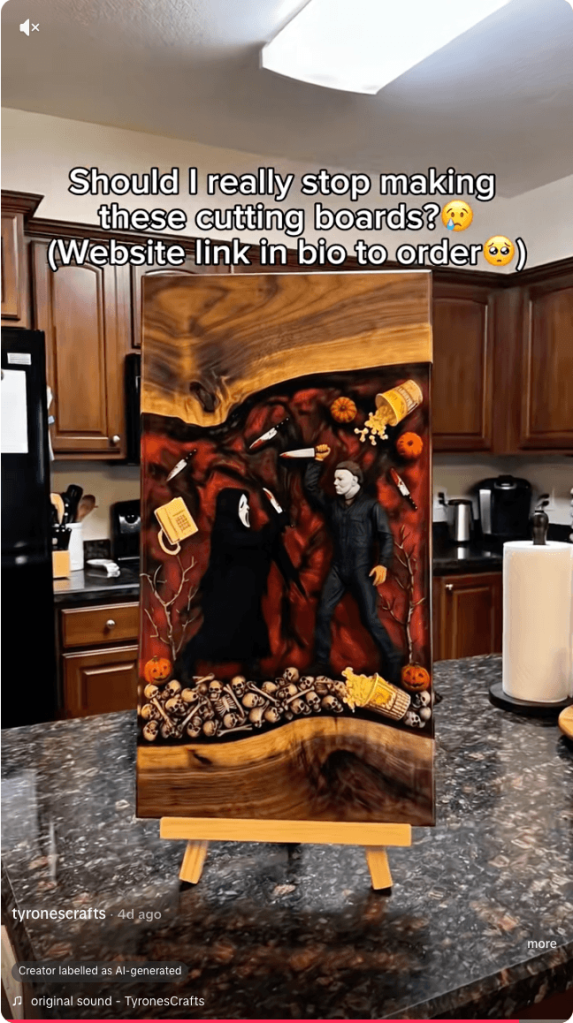


Don’t get fooled by TikTok resin art scams
Resin art has become a popular corner of TikTok, with some videos attracting millions of views. But not every glossy, colorful post is what it claims to be. Scammers are using the look of handmade resin art to trick buyers, collectors, and even fellow artists into sending money for work that either doesn’t exist or wasn’t created by the person posting it.
There are plenty of genuine resin artists on TikTok. Unfortunately, the platform has also attracted scammers who steal videos and impersonate legitimate creators.
The scam is fairly straightforward. A TikTok account presents itself as a resin artist, posts satisfying videos, and invites people to “DM to order.” In some cases, the videos are stolen from other creators, the account has no real process footage, and the seller disappears after receiving payment.
One resin artist discovered that scammers were using their videos to impersonate them and scam TikTok users. They shared the following comment:
Ridiculous TikTok scammer…lol. Profile says they’re a resin artist and to DM them to order, but none of the videos are theirs. When I wrote to them asking them to take down the many videos of mine that they posted, passing them off as their own with no credit, their answer was that they aren’t a resin artist and are just sharing videos they like
Literally about 1/4 of “their” videos are mine
These scams often rely on trust and urgency. The account may show polished clips of poured resin, finished coasters, trays, jewelry, or wall art, then push buyers to move the conversation into direct messages. Once the buyer moves to a different platform, the scammer typically requests a deposit, full payment, or personal details with little chance of being held accountable.
And real artists don’t just get their work ripped off. A scammer may contact a creator claiming to want to buy, feature, or license their work, but the real goal is to extract fees, banking information, or other sensitive data. Social media art scams are often repetitive because they are built from the same templates and scripts.
How to spot a TikTok resin art scam
The safest approach is the boring one: verify before you pay. If the artwork looks amazing but the seller’s identity is vague, the risk is real.
Check the TikTok account
Before ordering, look for signs that the artist is genuine:
- The account didn’t appear overnight and has a history of original posts.
- The same videos don’t appear under multiple creator names or belong to another artist.
- The creator shows themselves making the artwork, with consistent process videos, a recognizable workspace, and works in progress.
- The videos don’t contain obvious AI artifacts, such as impossible resin effects or objects moving after they’ve supposedly been sealed inside hardened resin.
- Comments raising concerns haven’t been deleted or buried under generic praise.
- The seller isn’t pushing you to order only through direct messages or asking for payment before you’ve verified who they are.
Check the website
If you do click through to a website, spend a few minutes checking it before you buy:
- Look for a genuine returns and refunds policy, a physical business address, company or VAT details (where applicable), and consistent contact information.
- Check how old the website is. Scam sites often use domains that were registered only weeks or months ago, especially when they claim to have been selling handmade products for years.
- Search for recent independent reviews rather than relying on testimonials published on the site itself.
- Run a reverse image search on the product photos to see whether they’ve been copied from another artist.
- Only pay using a method that offers buyer protection, such as a credit card or PayPal. If a seller insists on a bank transfer, cryptocurrency, or another irreversible payment method, walk away.
Not every resin art account is a scam. Many belong to genuine artists, and that’s why impersonation scams can be so convincing.
If you’re unsure, paste the website address into Malwarebytes Scam Guard and ask whether it shows signs of being fraudulent. It can help identify suspiciously new domains and other common scam indicators.
Use real-time web protection to block known fraudulent and malicious websites, like Browser Guard did for this web shop:
Both are free—making them much cheaper than sending money to a scammer.
Something feel off? Check it before you click.
Malwarebytes Scam Guard helps you analyze suspicious links, texts, and screenshots instantly.
Available with Malwarebytes Premium Security for all your devices, and in the Malwarebytes app for iOS and Android.
