De Belgische provider Telenet mag in reclames woorden als 'fiber' en 'glasvezel' niet langer gebruiken, terwijl de Nederlandse kabelaar VodafoneZiggo zijn netwerk al jaren aanduidt als 'glasvezel-kabel'. Waarom mag dat dan wel? De crux zit in het woord 'kabel'.
Spotify maakt het makkelijker om mee te zingen: gebruikers kunnen de songteksten vanaf nu vertalen naar verschillende talen, waaronder het Nederlands. Ook worden ze zichtbaar zonder internetverbinding. Beide opties komen wereldwijd beschikbaar.
Firefox 148 krijgt een toggle om alle AI-functies uit te schakelen, zo blijkt uit de bètaversie van de browser. De ontwikkelaars hebben in het instellingenmenu een nieuw tabblad met AI-instellingen toegevoegd. Daar kunnen gebruikers ook alle AI-functies uitschakelen.
De Linux-distributie Tails heeft een noodpatch uitgebracht om meerdere kwetsbaarheden in OpenSSL op te lossen. De Tor-browser die in de oude versie van Tails zit, maakt gebruik van een kwetsbare versie van OpenSSL.
De Europese Commissie wijst WhatsApp aan als zeer groot onlineplatform onder de Digital Services Act, maakt de organisatie bekend. Daardoor krijgt het platform van Meta meer verantwoordelijkheden om illegale en schadelijke content aan te pakken.
WhatsApp werkt aan een abonnement om geen advertenties in het Updates-tabblad te zien. Dat schrijft WABetaInfo op basis van een bètaversie van de app. De Updates-advertenties zijn nog niet beschikbaar in Europa.
SkyShowtime heeft een prijsverhoging aangekondigd die per 24 februari ingaat. De prijzen gaan met 1 tot 2 euro per maand omhoog, afhankelijk van het abonnement. De prijzen stijgen 'om je de beste kijkervaring en klantbeleving te blijven bieden', schrijft de streamingdienst.
KLM maakt het gebruik van internet gratis voor Flying Blue-leden tijdens Europese vluchten. Dat gebeurt gefaseerd bij het merendeel van zijn Europese vliegtuigen. KLM is daarmee de eerste Nederlandse luchtvaartmaatschappij met onbeperkt gratis wifi.
No matter how many times we say it, the idea comes back again and again. Hopefully, this letter will hold back the tide for at least a while longer.
Executive summary: Scientists have understood for many years that internet voting is insecure and that there is no known or foreseeable technology that can make it secure. Still, vendors of internet voting keep claiming that, somehow, their new system is different, or the insecurity doesn’t matter. Bradley Tusk and his Mobile Voting Foundation keep touting internet voting to journalists and election administrators; this whole effort is misleading and dangerous.
De Britse publieke omroep BBC wil series voor YouTube maken en deze internationaal uitbrengen. Dat schrijft de Financial Times op basis van bronnen. Deze series zouden voornamelijk op jongeren zijn gericht en dienen als extra inkomsten voor de BBC.
Het is niet best gesteld met de online beveiliging van Nederland. De Rijksoverheid heeft een onderzoek uitgevoerd waaruit blijkt dat veel mensen hun beveiliging niet op orde hebben. Gelukkig kan je dat heel makkelijk zelf oplossen.
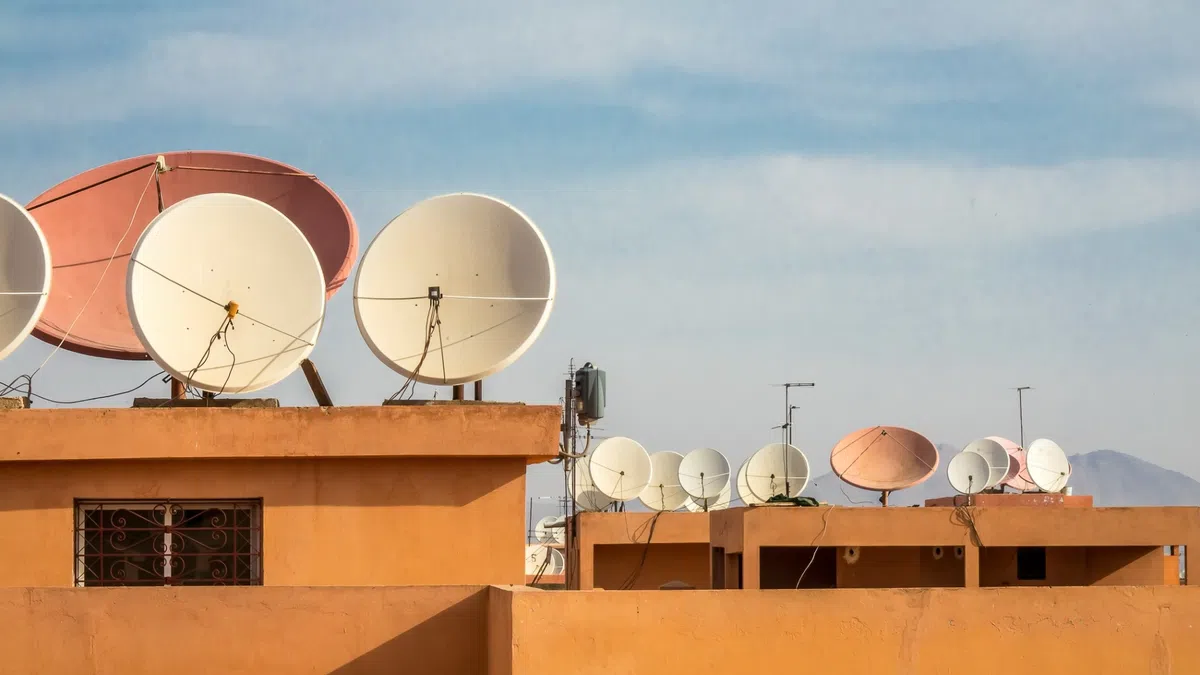
Je zou verwachten dat het dataverkeer dat via satellieten loopt, netjes versleuteld is – en dus niet af te luisteren. Niets blijkt minder waar: met een simpele satellietschotel en onderdelen van in totaal nog geen 800 dollar zijn satellieten makkelijk af te luisteren.
In 2024 werden weer meer Nederlanders het slachtoffer van online criminaliteit zoals oplichting, betalingsfraude of hacken. In totaal lag het aantal slachtoffers in 2024 op 2,4 miljoen.
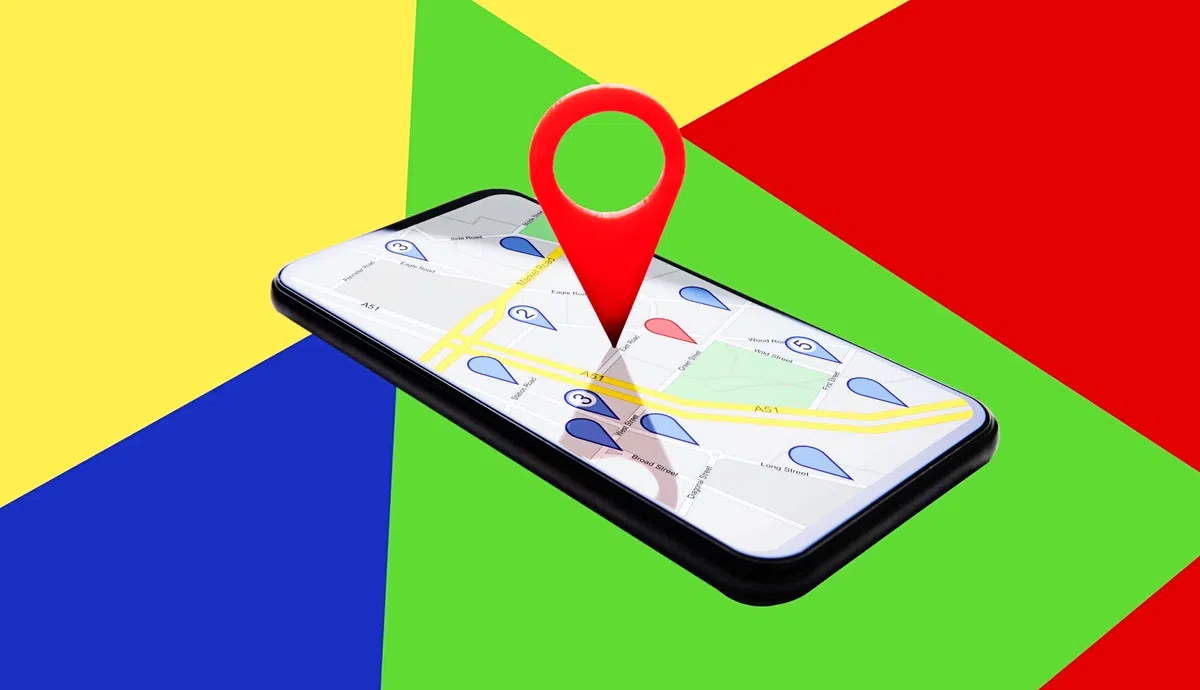
Google klaagt een oplichter aan die tienduizend nep-bedrijfsprofielen op Google Maps gebruikte. Het bedrijf heeft ook gezegd waar je als gebruiker op moet letten om te voorkomen dat je slachtoffer wordt van deze vorm van oplichting .
De bekende cryptobeurs Bybit is getroffen door de grootste crypto- diefstal aller tijden. Hackers hebben daarbij 1,4 miljard dollar aan cryptovaluta buitgemaakt.
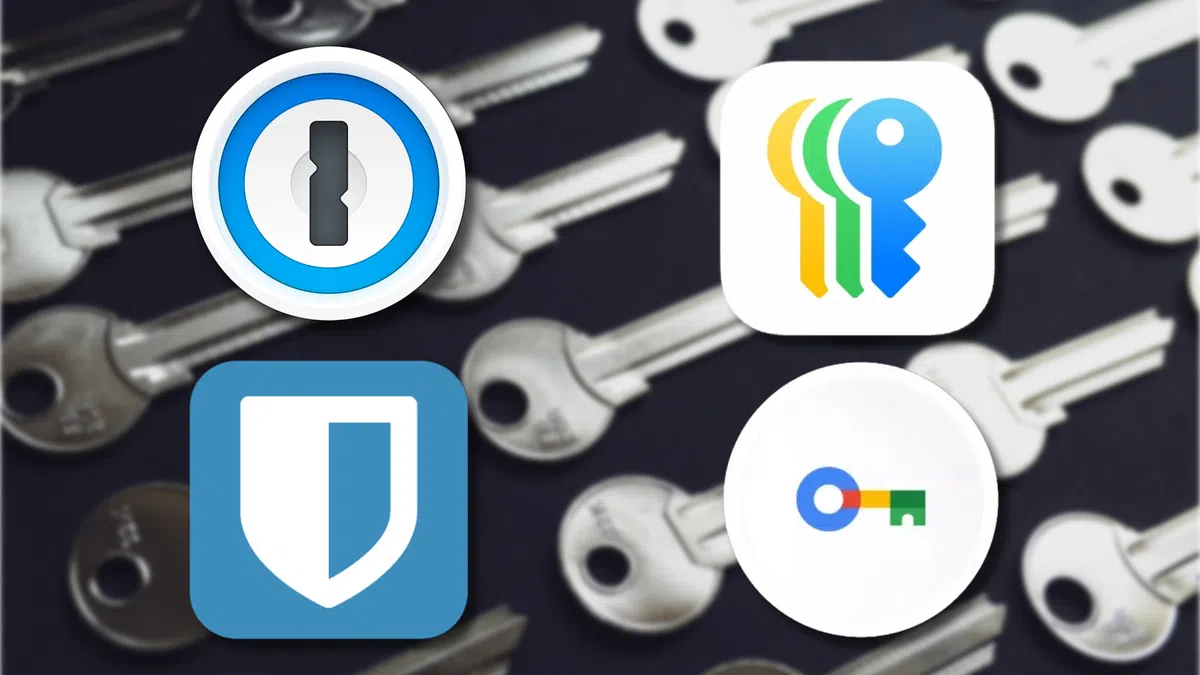
Met onze Bright Stuff-koopgids helpen we je graag aan het beste product van het moment. Deze keer: wachtwoord-managers, password-apps, software voor het aanmaken en bewaren van al je wachtwoorden. Handig, veilig en gewoon heel verstandig.
Microsoft heeft Copilot Checkout gepresenteerd. De dienst, die alleen nog werkt in de Verenigde Staten, laat gebruikers van zijn AI-assistent in het chatvenster afrekenen voor producten. Dat kan in elk geval bij alle Shopify-winkels, tenzij shopeigenaren ervoor kiezen om het niet toe te staan.
Russian state has tolerated parallel probiv market for its convenience but now Ukrainian spies are exploiting it
Russia is scrambling to rein in the country’s sprawling illicit market for leaked personal data, a shadowy ecosystem long exploited by investigative journalists, police and criminal groups.
For more than a decade, Russia’s so-called probiv market – a term derived from the verb “to pierce” or “to punch into a search bar” – has operated as a parallel information economy built on a network of corrupt officials, traffic police, bank employees and low-level security staff willing to sell access to restricted government or corporate databases.
Kensington and Westminster councils investigating whether data has been compromised as Hammersmith and Fulham also reports hack
Three London councils have reported a cyber-attack, prompting the rollout of emergency plans and the involvement of the National Crime Agency (NCA) as they investigate whether any data has been compromised.
The Royal Borough of Kensington and Chelsea (RBKC), and Westminster city council, which share some IT infrastructure, said a number of systems had been affected across both authorities, including phone lines. The councils shut down several computerised systems as a precaution to limit further possible damage.
It’s become the playbook for big Australian companies that have customer data stolen in a cyber-attack: call in the lawyers and get a court to block anyone from accessing it.

 Login
Login