Starmer’s team is wary of spies but such fears are not new – with Theresa May once warned to get dressed under a duvet
When prime ministers travel to China, heightened security arrangements are a given – as is the quiet game of cat and mouse that takes place behind the scenes as each country tests out each other’s tradecraft and capabilities.
Keir Starmer’s team has been issued with burner phones and fresh sim cards, and is using temporary email addresses, to prevent devices being loaded with spyware or UK government servers being hacked into.
Barristers report going unpaid and cases being turned away amid fears firms will desert legal aid work altogether
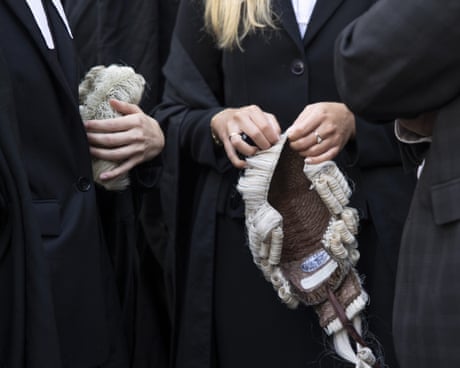
Lawyers have warned that a cyber-attack on the Legal Aid Agency has pushed the sector into chaos, with barristers going unpaid, cases being turned away and fears a growing number of firms could desert legal aid work altogether.
In May, the legal aid agency announced that the personal data of hundreds of thousands of legal aid applicants in England and Wales dating back to 2010 had been accessed and downloaded in a significant cyber-attack.
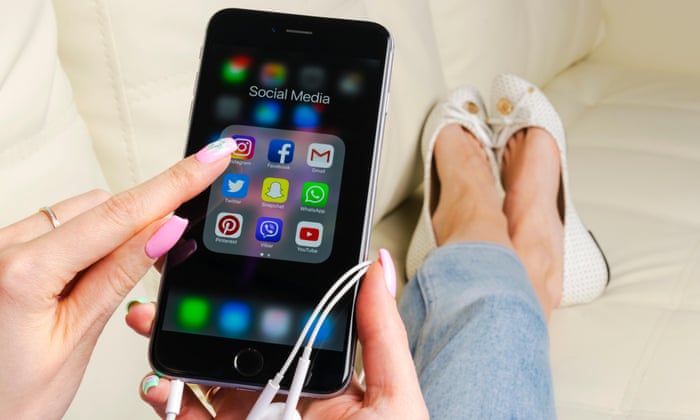
Your Facebook or Instagram account can be your link to friends, a profile for your work or a key to other services, so losing access can be very worrying. Here’s what to do if the worst happens.
If you have access to the phone number or email account associated with your Facebook or Instagram account, try to reset your password by clicking on the “Forgot password?” link on the main Facebook or Instagram login screen. Follow the instructions in the email or text message you receive.
If you no longer have access to the email account linked to your Facebook account, use a device with which you have previously logged into Facebook and go to facebook.com/login/identify. Enter any email address or phone number you might have associated with your account, or find your username which is the string of characters after Facebook.com/ on your page. Click on “No longer have access to these?”, “Forgotten account?” or “Recover” and follow the instructions to prove your identity and reset your password.
If your account was hacked, visit facebook.com/hacked or instagram.com/hacked/ on a device you have previously used to log in and follow the instructions. Visit the help with a hacked accountpage for Facebook or Instagram.
Turn on two-step verification in the “password and security” section of the Accounts Centre. Use an authentication app or security key for this, not SMS codes. Save your recovery codes somewhere safe in case you lose access to your two-step authentication method.
Turn on “unrecognised login” alerts in the “password and security” section of the Accounts Centre, which will alert you to any suspicious login activity.
Remove any suspicious “friends” from your account – these could be fake accounts or scammers.
If you are eligible, turn on “advanced protection for Facebook” in the “password and security” section of the Accounts Centre.

 Login
Login