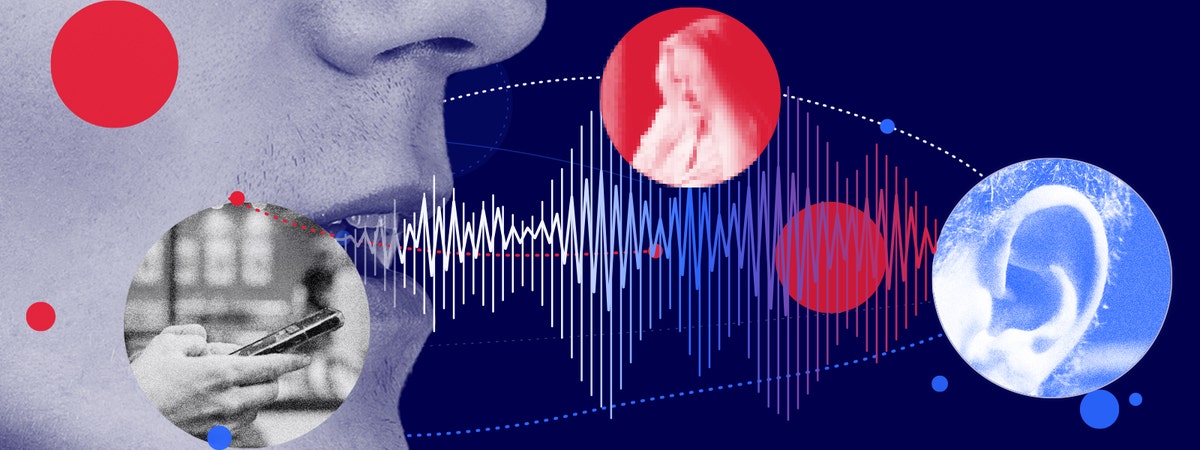
Most AI-enabled social engineering can still be addressed through existing defenses, but synthetic media attacks require organizations to adapt those defenses and stop treating a familiar face or voice as proof of identity.
Many uses of AI in social engineering, including personalizing phishing messages, building fraudulent websites, and automating responses, make established techniques faster, cheaper, and easier to scale. Although organizations must adapt their defenses to address the volume and sophistication of these threats, current evidence indicates that established security controls, such as filtering, verification procedures, and repeated training, still reduce the success of these attacks.
That said, synthetic media such as deepfakes and voice alteration present an exception. Synthetic media weakens the audiovisual and biometric signals that people and identity systems previously treated as evidence of legitimate identity. Research has found that both people and detection systems struggle to reliably identify deepfakes, especially those presented outside of controlled settings. As a result, defenses that rely on recognizing a familiar voice, face, or identity document are often insufficient on their own.
This distinction matters. Treating all AI-enabled threats as equivalent risks gives organizations a false sense of security while leaving them vulnerable to attacks that existing controls fail to prevent.
Recorded Future MCP is now generally available, giving AI agents and LLM workflows direct access to Recorded Future's Intelligence Graph® and enabling precise, trustworthy, and cost-effective decision-making at machine speed and scale.
Ransomware does not start when files are encrypted. By then, an attacker may already have obtained valid credentials, entered the network, moved between systems and established a command-and-control (C2) channel.
That gives defenders an earlier window to act. Ransomware threat intelligence helps security teams identify the actors, infrastructure and access methods connected to ransomware activity before an attack reaches its final stage. Instead of waiting for an endpoint alert or ransom note, teams can look for exposed credentials, malicious infrastructure and known attacker behavior, then act on the threats most relevant to their organization.
The need for that earlier view is growing. Modern ransomware operations may use Ransomware-as-a-Service (RaaS) models and double- or triple-extortion tactics, giving defenders more reason to identify warning signs before encryption.
Key takeaways
Ransomware threat intelligence can expose signs of an attack before encryption, including compromised access and attacker infrastructure.
IOCs remain useful, but TTPs provide longer-lasting context because attacker behavior changes less quickly than individual IP addresses or file hashes.
Early disruption can focus on closing initial access paths or cutting communication between compromised systems and known C2 infrastructure.
Recorded Future assists in connecting ransomware intelligence with organizational exposure, threat actor context and existing security workflows so teams can better prioritize action.
Why reactive ransomware defense is not enough
Reactive controls remain important, but they often cannot provide the external context security teams need to identify which ransomware threats are most likely to reach their environment.
Endpoint detection and response (EDR), network monitoring, and backups all have a role in ransomware defense. The problem is timing. If a team only acts after malicious behavior appears inside its environment, the attacker may already have gained access or started moving toward systems that matter.
This is where modern ransomware detection benefits from external intelligence. Security teams can compare what they see internally with information about active ransomware groups, infrastructure and exploitation activity outside their network.
IOCs show what happened. TTPs help anticipate what comes next.
Indicators of compromise (IOCs), such as malicious IP addresses, domains, and file hashes, can help security controls identify known threats. They also typically have a short shelf life when attackers rotate infrastructure or alter malware.
Tactics, techniques, and procedures (TTPs) describe how an adversary operates. MITRE ATT&CK organizes those behaviors across stages such as initial access, lateral movement and command and control.
A ransomware actor can quickly replace an IP address. Changing a working attack method takes more effort. Tracking both IOCs and TTPs gives defenders a stronger basis for deciding what to block now and what behavior to watch for next.
The goal is not to replace IOC-based detection. It is to add enough context to understand who may be behind an indicator, how it fits into an attack, and what the adversary is likely to attempt next.
How does Threat Intelligence help prevent ransomware attacks?
The best time to disrupt ransomware is before the attacker reaches the impact stage. Threat intelligence creates opportunities to act during initial access and C2 activity rather than relying on recovery after encryption.
External intelligence can reveal parts of the ransomware operation that are difficult to see from internal telemetry alone. That includes activity in criminal marketplaces as well as infrastructure connected to known threat actors.
Phase 1: Track the adversary outside your network
Initial access is often a business in its own right. Initial access brokers (IABs) obtain access to compromised organizations and advertise it to other criminals. Threat intelligence can surface compromised credentials and exposed Remote Desktop Protocol (RDP) access associated with an organization. It can also monitor IAB listings, actor chatter, and target discussions for warning signs before that access is used.
Monitoring those sources can give security teams a warning that credentials or access associated with their organization are exposed. A credential discovered for sale does not prove that a ransomware attack will follow, but it creates a specific risk that defenders can investigate before someone uses that access.
Threat intelligence can also connect ransomware groups with domains, IP addresses, and other infrastructure associated with their operations. Malware analysis and controlled sandbox testing can add newly observed indicators and behavioral information.
C2 intelligence is especially useful because command-and-control gives attackers a way to communicate with systems they have compromised. If defenders know the infrastructure associated with an active threat actor, they can look for related connections within their own network rather than waiting for the ransomware payload to execute.
Phase 2: Act at the point of disruption
Tracking only matters if the intelligence changes what the security team does.
At initial access, one priority is removing the opportunity before an attacker can use it. If exposed corporate credentials appear in criminal sources, the organization can investigate the affected account, reset credentials where needed, and review authentication activity for signs of misuse.
The same principle applies to vulnerabilities. A large vulnerability backlog does not indicate which flaw an attacker is likely to exploit first. Vulnerability intelligence adds evidence of exploitation activity, enabling teams to respond faster to weaknesses associated with active threats rather than relying on severity scores alone.
C2 creates another intervention point. High-confidence indicators associated with malicious infrastructure can be supplied to security controls so connections are blocked or detected earlier. If an endpoint begins communicating with known C2 infrastructure, the security team can investigate and isolate the affected system before the attacker progresses further.
Disruption does not always require taking criminal infrastructure offline. For an individual organization, breaking the attacker's access to its environment can be enough to stop that attack path.
These controls should sit alongside broader guidance on how to prevent ransomware, including identity protection, patching, and recovery planning. Threat intelligence makes those efforts more targeted by showing teams where an active threat is most likely to intersect with their environment.
Recorded Future turns ransomware intelligence into action
Recorded Future helps security teams connect external ransomware activity with their own exposure so they can spend less time sorting through threat data and more time acting on relevant risks.
Recorded Future’s ransomware mitigation capabilities bring together threat research, dark web intelligence and information about an organization's attack surface. Threat actor, industry and TTP context helps teams narrow their attention to ransomware threats that warrant attention.
Reduce research time with the Intelligence GraphⓇ
A large feed of indicators can contribute to alert fatigue if analysts must investigate each item manually. Recorded Future's Intelligence GraphⓇ connects information about threat actors with associated malware, infrastructure, and vulnerabilities.
That context helps analysts move from an isolated indicator to the relationships around it. Rather than treating every IOC as equally important, teams can assess how an indicator relates to an active threat and whether that threat is relevant to their organization.
Recorded Future uses AI to collect, process, and correlate threat data within the Intelligence Graph. This helps reduce repetitive research and enables teams to prioritize relevant findings.
Focus on the ransomware actors most relevant to your organization
Not every ransomware group has the same targets. Industry, geography and previous victim patterns can help analysts understand where a threat actor tends to focus.
Recorded Future's Ransomware Risk Profile provides a view of an organization's ransomware exposure. Victimology insights help teams understand which ransomware groups and TTPs are most relevant based on targeting patterns such as industry and geography.
This allows SOC and threat intelligence teams to tune detection and hunting around ransomware groups whose past activity makes them more relevant to the business rather than treating the entire ransomware landscape as equally urgent.
Put intelligence into existing security workflows
Threat intelligence loses value when an analyst has to move findings manually from one tool to another.
Recorded Future can deliver intelligence through APIs and integrations with security information and event management (SIEM), security orchestration, automation, and response (SOAR), and endpoint detection and response (EDR) tools. Depending on the configured workflow, intelligence can add context to alerts and support automated blocking of malicious infrastructure.
Build an intelligence-driven ransomware defense
Ransomware threat intelligence changes the point at which defenders can respond. Instead of treating encryption as the first clear sign of an attack, teams can look for the access, infrastructure and behavior that come earlier.
This does not replace EDR, access controls or backups. It gives those defenses external context. A vulnerability becomes more urgent when a ransomware actor is actively exploiting it. An exposed credential becomes an immediate investigation point when criminals are offering access to the organization. A C2 indicator becomes more useful when analysts can connect it to the actor and TTPs behind it.
That earlier context can reduce both the likelihood of a successful attack and the damage an attacker can cause. Given how ransomware affects businesses, moving the disruption point earlier in the attack lifecycle can protect far more than encrypted files.
Ready to stop ransomware before a breach occurs? Explore our product tours to get a feel for how Recorded Future automates the tracking and disruption of the most relevant threat actors targeting your industry.
Ransomware Threat Intelligence FAQs
What is the primary difference between a reactive and a threat intelligence-led disruption strategy for ransomware?
A reactive strategy focuses on detecting and recovering from ransomware after malicious activity reaches the environment. A threat intelligence-led strategy looks for earlier warning signs, such as exposed access, known threat actor behavior and malicious infrastructure, so teams can intervene before encryption occurs.
Is paying a ransom ever considered an effective disruption strategy?
Paying a ransom occurs after an organization has already been compromised, so it is generally not a preemptive disruption strategy. Threat intelligence-led disruption focuses on stopping the attacker earlier in the ransomware lifecycle.
Which stages of the ransomware attack lifecycle offer the best opportunities for external disruption via threat intelligence?
Reconnaissance and command and control (C2) provide valuable opportunities for disruption. Threat intelligence can identify exposed credentials, access being advertised by initial access brokers and infrastructure associated with known ransomware actors before those resources are used against the organization.
How does Recorded Future use AI to accelerate ransomware disruption?
Recorded Future uses AI to collect, process and correlate threat data within the Intelligence Graph. This helps analysts connect indicators with threat actors, infrastructure and TTPs, reducing manual research and helping teams identify ransomware threats that require attention faster.
Can Recorded Future help our organization identify and mitigate our most critical ransomware exposure points?
Recorded Future combines vulnerability and attack surface intelligence with external threat context to help teams identify exposures associated with active ransomware threats. This can help security teams prioritize remediation based on evidence of exploitation and organizational risk rather than severity scores alone.
What is victimology in the context of ransomware intelligence, and how is it used to protect an organization?
Victimology examines the types of organizations ransomware groups have targeted, including patterns related to industry and geography. Security teams can use those patterns alongside threat actor TTPs to identify ransomware groups that may be more relevant to their organization and adjust detection and hunting accordingly.
How is the rise of Ransomware-as-a-Service impacting the way organizations use threat intelligence for tracking?
Ransomware-as-a-Service can separate ransomware operators from the affiliates carrying out attacks. Threat intelligence teams therefore need to track more than a single malware family, including affiliate behavior, initial access activity and criminal-market sources that may reveal how attacks are being prepared.
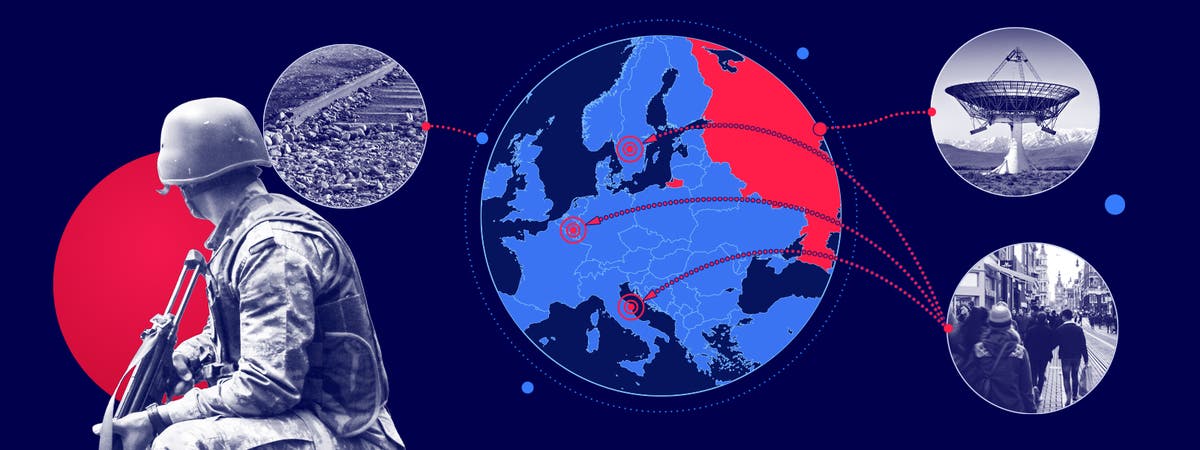
Since Russia’s full-scale invasion of Ukraine in February 2022, Russia has escalated its use of hybrid, asymmetric warfare across Europe, far beyond the former Soviet Union, where Russia historically focused its aggression. These tactics fall under a Russian military strategy known as New Generation Warfare (NGW). Insikt Group assesses that Russia is likely to escalate NGW tactics over the next two years, potentially culminating in a full-scale NGW campaign. Europe-based private and public sector entities are very likely at risk of physical and cyber sabotage as Russia deploys NGW tactics. Critical infrastructure entities in Europe are at high risk of being targeted, potentially resulting in data loss, physical damage to facilities, or injury or death of personnel.
Recorded Future's Insikt GroupⓇ has been tracking ClickFix, a social engineering technique that turns a familiar logo or verification prompt into the entry point for an attack. Here's what that research reveals about catching it, and why it's now running inside Malicious Site Monitoring, part of our newly launched Digital Risk Protection solution.
Recorded Future's Insikt GroupⓇ, our team of threat intelligence analysts and security researchers, has been tracking a technique called ClickFix as it works its way into a growing number of brand impersonation campaigns. We recently hosted a webinar digging into that research, and what stood out wasn't just the technique itself. There's no malware automatically installed, no exploit, just a page convincing enough that the victim ends up doing the damage themselves. It is also a strong example of the detection capabilities built into Malicious Site Monitoring, a new use case included in Digital Risk Protection, and a good way to show what those capabilities are actually built to catch.
How ClickFix actually works
ClickFix works by mimicking the visual language people already trust, a CAPTCHA prompt, a familiar logo, a "verify you're human" screen, and using that trust to get someone to run a command on their own machine. There's no code being smuggled past a firewall. The victim is the delivery mechanism.
That's also what makes it hard to catch with traditional tools. A page built to look exactly like a real verification screen doesn't behave like malware, and it doesn't trip the same alarms as a page trying to exploit a browser. It succeeds because the person on the other end believes they're completing something routine.
It's not static, either. The instructions can change depending on the operating system a victim is running, one path for Windows, a different one for macOS, which means the "fix" itself adapts to the target. A single signature or a one-off takedown was never going to keep up with that. Catching this at scale means watching for the pattern, not waiting to recognize a specific file.
Malicious Site Monitoring
This kind of research and the product built to act on it aren't two separate things. Digital Risk Protection's Malicious Site Monitoring is built to catch this exact category of infrastructure, phishing domains, lookalike sites, brand impersonation, fast enough to matter. Disposable infrastructure like this is designed to do its damage and disappear before anyone gets around to reporting it, so speed isn't just a nice-to-have here, it's a necessity.
Underneath that speed is a detection process built in layers. Analyst-built signatures catch known patterns with precision. Content similarity analysis can catch campaigns that move in clusters. Attackers often reuse the same page template across dozens of disposable domains, so even though each domain name looks unrelated, the pages themselves share the same structure underneath. A separate component flags a familiar logo or brand mark through screenshot analysis and Optical Character Recognition (OCR). Machine learning is often able to catch what the other methods might miss, sites that don't resemble any known signature or template, by predicting risk from the page's characteristics rather than requiring a direct match. That layered approach is what makes it possible to evaluate a massive volume of candidate domains and URLs every single day without generating excessive false positives.
From detection to takedown
Finding a threat fast doesn't help much if the next steps are still manual. The real shift in how Digital Risk Protection operates is this: detection, triage, and action now live in the same workflow.
Not every detection needs a human to look at it immediately, and that distinction matters. A multi-stage detection funnel helps filter raw monitoring volume down to those that could need a response, and for malicious sites specifically, an AI Triage Agent reviews flagged detections and delivers a verdict before anything reaches an analyst's queue. Instead of triaging a wall of alerts, teams are looking at a shortlist of things that already have context attached, what was found, why it matters, and what to do about it.
And when something does need action, takedown doesn't require a separate process. Coordination happens directly from the alert, one click, instead of manually chasing down registrars and hosting providers one by one.
What this means going forward
ClickFix is one campaign type. It won't be the last one built this way, and it almost certainly won't be the most sophisticated one we see this year. The interesting story isn't any single technique, it's that the same detection engine tracking it in a research report is the one running in production, watching for the next one before it has a name.
If you want to see that detection-to-action workflow in practice, not just malicious sites, but the full picture across dark web monitoring, code repository exposure, impersonation, and identity monitoring, take a self-guided click-through of Digital Risk Protection or request a demo. If you're already a customer, your account team can walk you through what this looks like against your own brand.
Frequently asked questions
Is ClickFix something Digital Risk Protection can actually detect, or just something Insikt Group writes about?
Both. The detection methodology behind the ClickFix research, layered signature, similarity, and machine learning analysis, is the same engine running inside Malicious Site Monitoring today. The research isn't separate from the product; it's built on it.
Is the AI Triage Agent available for this use case?
Yes. Malicious Site Monitoring is one of two use cases, alongside Dark Web Brand Monitoring, where the AI Triage Agent is live today. It reviews flagged detections and delivers a verdict before anything reaches an analyst's queue.
How do I get access to Digital Risk Protection?
It's available as a standalone solution or as part of Recorded Future's Core, Professional, and Elite platform packages. If you already use Recorded Future for brand monitoring, it's available to activate directly in the platform. If you're new to Recorded Future, request a demo to see it in action.
The intelligence community has always done things the same way: Identify a potential source (a target); make a recruitment (an agent); train, brief, and run the agent in place to collect intelligence of value to decision makers.
A great agent gives the decision maker insight into intent, and a reasoning and decision advantage over his or her adversaries. In some circumstances, this advantage shapes destiny. Control over destiny is commonly called sovereignty.
AI has rapidly made reasoning ubiquitous; a commodity accessible to all at ever-decreasing marginal cost. In the age of AI, advantage accrues to those who use reason most effectively, make good decisions most quickly, and take actions most confidently. And who will do the bulk of this reasoning, make these decisions, and take these actions? Agents.
Agent Running in the Age of AI
Historically, agents were sources of intelligence but, in the age of AI, the new consumer of intelligence is an agent. Agents will be dependent on the quality and timeliness of the intelligence they receive to give them context, shape their priorities, drive their behavior, and ensure the quality of their actions. Every agent will need an intelligence layer it can trust. Recorded Future is that layer.
Recruiting and running human agents is hard and expensive, and very few have the resources and the expertise to do it well. One experienced MI6 officer might run a handful of agents at any one time. But the human-to-agent ratio is about to change dramatically as decision-making shifts from carbon to silicon, driving down the costs of agent running, but dramatically increasing our reliance on agent decisions and actions.
The best military and political outcomes often result from the seamless integration of different sources and types of intelligence to produce a true understanding of the threat or the objective to be met, enabling good decision-making and decisive actions. The Cuban Missile Crisis combined geospatial, human, and signals intelligence; the D-Day Landings combined signals, human, and meteorological intelligence. As frontier AI capabilities diffuse, and as agentic systems incorporate these capabilities into multi-agent workflows, the performance of these systems relative to others, and thus their ability to deliver advantage, will be determined by ongoing access to high-fidelity, multi-source intelligence.
This is already the case in the domain of cyber security. Intelligence-enriched systems and workflows learn more quickly, adapt more nimbly, and operate more efficiently and effectively than those they are competing with. The adoption rate of Recorded Future’s AI triage capabilities proves this hands down.
Intelligence platforms like Recorded Future, which shed light on threat actor tactics, techniques, and procedures (TTPs) in real time, and which scale with AI and agent capabilities, are the foundation for effective agentic systems. Intelligence-driven agent running will ensure better agentic decisions and actions, delivering an enduring advantage over adversaries.
As former CIA Director Bill Burns put it, “The foundation for good policy choices is good intelligence wisely used.” In the age of AI, agents will make those choices, and the value of good intelligence will be greater than ever.
Recorded Future was just named a Leader in The Forrester Wave™: External Threat Intelligence Service Providers, Q3 2026.
We’re incredibly proud of this acknowledgment, just as we are of every recognition we’ve received over the years. Behind every one of these industry evaluations is a lot of work that readers never see — including product demonstrations, customer reference calls, briefing presentations, and formal questionnaire submissions — all of it condensed into a single final report. But the most interesting part of any industry recognition is all the details and information that resides in the demos, decks, and responses, so we wanted to share some additional context on the factors that we believe contributed to our ranking this year.
Use this blog post as a companion guide when reading your complimentary copy of the Forrester Wave™ report, which you’ll find in the link below.
Superior support for Priority Intelligence Requirements
Priority Intelligence Requirements (PIRs) are foundational in helping security teams achieve meaningful outcomes, because they help shape data collection strategy and support the effective decision-making that enables machine-speed defense.
Recorded Future received the highest possible score in the PIR criterion. Forrester’s evaluation describes this score as for vendors that offer “superior support for features such as mechanisms to translate external PIRs meaningfully, advanced querying for building/optimizing PIRs, and structured management of General Intelligence Requirements.”
We’ve made PIRs a particular focus in the Recorded Future Platform, adding prebuilt PIRs and enabling customers to use them or define their own in our Impact and Metrics Dashboard. The dashboard surfaces metrics based on those requirements, so teams can more easily measure and better report on how successfully their programs are answering the key questions business leadership wants answered.
Extensive intelligence collection sources and deep and dark web monitoring
Intelligence is at the core of the modern security stack, and good intelligence is often what separates reactive security teams from proactive ones that can defend themselves pre-attack, at the first sign of threat.
To us, Forrester’s evaluation criteria show how important comprehensive intelligence collection is in providing security teams with full visibility across the threat landscape. Here are the different types of data sources we primarily index and analyze and how these data sources can be used for a multitude of use cases:
Technical intelligence — network traffic analysis across billions of daily data points from over 200 points of presence, internet-wide scanning and infrastructure monitoring, malware detonation and behavioral analysis, and vulnerability exploitation tracking
Underground intelligence — data gathered from criminal forums, marketplaces, and adversaries that can help identify stolen data and credentials, emerging attack techniques, threat actor intent, and ransomware victimology
Community intelligence — aggregated detections across customers that reveal patterns and campaign-level activity no single organization would usually catch on its own
Open-source intelligence — broader context from data leakage detection, code repository monitoring, social media monitoring, and web/HTML/DOM analysis to help catch brand abuse, impersonation, and exposed data
Threat hunting, vulnerability intelligence, third-party risk management, and more We believe that receiving the highest possible scores in the Forrester Wave in criteria around multiple cybersecurity disciplines — including brand protection, third-party and supply chain intelligence, fraud intelligence, and threat hunting and vulnerability intelligence — demonstrate our commitment to providing powerful threat intelligence and defensive capabilities across the entire attack surface.
Figure 1: Unified threat intelligence visibility across the critical attack surfaces
Global security frameworks are evolving: Security organizations are increasingly leveraging global frameworks to navigate the complexities of AI-enabled threats, balancing the need for standardized best practices with the necessity of business-specific risk decisions.
Intelligence-led defense is essential: Modern, intelligence-led defense generally requires operationalizing security at machine speed by integrating enriched, contextual threat data, which better enables strategic, risk-based vulnerability prioritization rather than reacting to every threat.
Effective security requires data quality and relevance: Organizations must prioritize the quality and "fit for purpose" of the intelligence feeding into their threat intelligence solutions so they can make quick, accurate decisions and avoid the risks of moving fast with bad information.
As both human-directed and autonomous AI-powered attacks accelerate, security organizations, policymakers, and industry groups around the world are rethinking traditional approaches to defense.
Recorded Future CISO Jason Steer and Mastercard VP of Government Affairs and Policy Christian Ohanian recently sat down with Recorded Future’s Jon Miller to discuss how to build threat intelligence programs that can defend at machine speed, how emerging policy frameworks can help, and why high-quality intelligence is increasingly essential in this new era.
Evolving security standards and frameworks Globally, security frameworks like the National Institute of Standards and Technology (NIST) Cyber AI Profile and Singapore’s cybersecurity guidelines are evolving to help organizations keep pace with new threats. According to Christian Ohanian, the goal is to encourage the adoption of AI to bolster resilience while also providing guidance on the kinds of AI-enabled threats organizations now face.
However, Ohanian pointed out that creating these standards involves debate. While some argue that frameworks should provide a clear, prioritized checklist to help resource-strapped teams improve their security programs, others believe that a "one-size-fits-all" approach fails to account for the unique risk profiles of different industries and organizations.
Jason Steer noted that while standards create a helpful taxonomy, the burden remains on CISOs to translate that language into business-specific risk decisions. “This is why intelligence is important,” he noted. “Every industry, every geography, has its own subtleties of attack, so leaning into ‘What are the real risks to my business?’ becomes the hardest part.”
The role of high-quality, purpose-fit intelligence Ohanian noted that global security standards increasingly recognize that threat intelligence is a foundational component of modern defense. They’re also beginning to acknowledge that security organizations need to use AI and other autonomous solutions to improve the way they operationalize their intelligence. Framework discussions, he said, are now focused on “the importance of organizations looking really closely at how they can increase the speed of the way they’re using threat intelligence, how they can increase the accuracy of the prioritization of the alerts and warnings they’re getting.”
Ohanian emphasized that organizations must move beyond the simple acquisition of data and evaluate the intelligence sources feeding into their threat intelligence solutions. They need to look at "fit for purpose," ensuring that the intelligence aligns with the organization’s specific risk profile and governance requirements.
Steer agreed. “Coverage and collection at fast speed enable information to be brought together for people to assess the impact to their business,” he said. “But then it's only good if that information gets to the right people in the right tools.”
When it does, he said, high-quality intelligence can better fulfill its ultimate goal of providing “decision advantage”—enabling even less experienced SOC analysts to make quick, effective decisions.
Operationalizing security at machine speed To begin operationalizing intelligence, organizations need to first know what they’re defending. Do they run software on-premise, in the cloud, or a combination of the two? Once they have a complete picture of the mission-critical systems they need to defend, Steer said, they’ll better understand the threats that might be targeting them.
Then, in order to achieve machine-speed defense against AI-driven attacks, organizations need the right API integrations. That way, they can send enriched, contextual threat data to their vulnerability tools and use AI to identify the clusters of high-risk activity where vulnerabilities intersect with active exploitation.
Steer noted that this shift will eventually allow security leaders to move away from trying to patch every single vulnerability—an impossible task—and toward a strategic, risk-based prioritization model. “Vulnerability prioritization is absolutely primed for AI to streamline and accelerate contextual decision-making at executive levels,” he said.
Driving toward an intelligence-led defense future The consensus from the panel was clear: The future of cybersecurity lies in the convergence of AI, intelligence-led defense, and robust governance. While the X-factor of new threats—the ones that disrupt even the best-laid plans—will always exist, the goal is to reduce reactive panic and focus on strategic risk reduction.
For security practitioners, the takeaway is two-fold. First, they need to keep a close watch on the evolution of global security frameworks, as these documents will define industry expectations and communication standards, and they’ll give organizations a better understanding of where modern security is going in light of AI.
Second, practitioners need to focus on the quality of intelligence over quantity. By ensuring that their tools are enriched with actionable context, they can empower their teams to move from a state of constant, reactive chaos to one of calculated, proactive defense.
As Jon Miller noted, intelligence-led defense is the best way to ensure that when you move at machine speed, you’re moving in the right direction. “Speed without intelligence just means you're wrong, faster,” he said.
To get a customized walkthrough of Recorded Future’s machine-speed defense in action, take our interactive tour.
An alert may be the first sign a security team sees, but it rarely marks the beginning of an attack.
Before an intrusion reaches the network, threat actors may research targets, prepare infrastructure, trade stolen credentials, or discuss vulnerabilities they plan to exploit. Security teams that rely solely on internal alerts may miss earlier activity.
Proactive threat intelligence helps security teams identify and assess threats earlier by adding external context about adversaries, infrastructure, vulnerabilities, and emerging activity. That context can help teams decide what deserves attention first and act before a threat develops into a larger incident.
Reactive security still matters: organizations need detection, incident response, and recovery capabilities when attacks occur. But proactive intelligence adds visibility earlier in the process, so security teams are not forced to make every decision after an alert fires.
Key takeaways
Proactive threat intelligence can reveal adversary activity, infrastructure, and exposure before suspicious behavior appears inside the organization
Intelligence can show which vulnerabilities, threat actors, and external exposures are most relevant to an organization's environment
A proactive security mindset informs decisions about patching, threat hunting, security controls, and risk remediation
Automated collection and analysis can reduce manual intelligence work, so analysts can spend more time investigating relevant threats
How to shift to a proactive security mindset
Reactive security begins when something has already happened. An alert fires, suspicious activity appears, or an incident is confirmed. The security team then investigates what happened and decides how to contain the threat.
Proactive threat intelligence shifts part of that work earlier by helping teams understand which adversaries may target them, which vulnerabilities attackers are exploiting, and what infrastructure or techniques are associated with current campaigns. Instead of waiting for those threats to surface internally, teams can use threat intelligence to prepare and prioritize their response.
The goal is not to predict every attack. It is to reduce uncertainty early enough to make better security decisions.
That distinction matters when teams face more alerts, vulnerabilities, and threat information than they can address at once. Proactive intelligence provides context to determine which risks are most closely connected to the organization's assets, technology, industry, and exposure.
For security leadership, that context can also support risk management. Security leaders can compare threat likelihood, asset importance, and potential business impact rather than treating alert volume as a measure of risk. This helps connect intelligence priorities with CISO-level decisions about people, budget, and remediation.
Steps in a proactive intelligence program
A proactive intelligence program follows four interconnected steps: define intelligence requirements, collect relevant information, analyze it within an organizational context, and turn the findings into security actions.
Requirements: Define the security and business questions the intelligence program needs to answer. These may include which adversaries pose the greatest risk, which vulnerabilities need faster action, or where the organization has external exposure.
Collection: Gather information that can answer those questions. Internal telemetry remains useful, but proactive intelligence also depends on external visibility. Sources may include open-source intelligence (OSINT), technical forums, dark web sources, and illicit marketplaces where threat activity can appear before an internal alert.
Analysis: Connect those signals with organizational context. Analysts assess whether an adversary, vulnerability, or piece of infrastructure is relevant to the organization's assets and current threat profile.
Action: Use that context to make a security decision. Teams may change a patching priority, block malicious infrastructure, investigate exposed credentials, or begin a targeted threat hunt.
The cycle continues as threats and business priorities change. For operational cyber threat intelligence to support security operations, the process cannot stop at collection and analysis. Intelligence needs to reach the people and controls that can act on it, then feed new findings back into the next cycle.
Examples of proactive intelligence in action
Proactive intelligence creates value when it changes a security decision. Three use cases show how external context can move action earlier.
Use case 1: Prioritize vulnerabilities using real-world threat activity
Security teams generally cannot treat every published Common Vulnerabilities and Exposures (CVE) record as equally urgent. Severity scores describe the potential technical impact of a vulnerability, but severity alone does not show whether threat actors are exploiting it or how relevant it is to a specific organization.
Proactive threat intelligence adds exploitation context to the decision.
Recorded Future Vulnerability Prioritization provides information about current exploitation and threat activity that can help teams identify which vulnerabilities warrant faster attention. A vulnerability associated with active exploitation may require a different response from another vulnerability with a similar severity score but less evidence of current attacker activity.
This gives teams another factor for deciding what to address first. It also connects threat intelligence and vulnerability management, allowing patching decisions to reflect internal exposure alongside activity in the external threat environment.
Use case 2: Identify external risk before it becomes an internal incident
Not every meaningful security signal appears within systems an organization controls.
Threat actors may register domains that imitate a company, expose employee credentials, or discuss potential targets in criminal communities. Command-and-control infrastructure and other malicious assets can also be prepared outside the organization's environment before they are used in an attack.
Digital risk monitoring gives security teams visibility into that external activity.
Recorded Future Digital Risk Protection monitors external threats including malicious domains, credential exposure, brand impersonation, and dark web activity. Finding those signals earlier gives teams an opportunity to investigate and remediate exposure before it contributes to a larger security problem.
This expands the security team's view from what has already happened internally to what is developing outside the organization.
Use case 3: Give threat hunters a more focused starting point
Threat hunting is proactive, but analysts still need a useful hypothesis about what they are looking for.
Without external context, analysts may spend too much time selecting relevant threat actors, gathering intelligence from multiple sources, validating anomalies, and assembling findings for stakeholders. Proactive intelligence can reduce some of that manual work by giving hunters a clearer starting point.
If intelligence shows that a threat actor is targeting organizations in the same industry, analysts can review that actor's known techniques, malware, and infrastructure and determine which signals are relevant to search for in internal telemetry.
The intelligence does not replace threat hunting. It helps shape the hypothesis and narrow the investigation.
Recorded Future Cyber Operations connects external intelligence with investigation, hunting, detection, and response workflows, helping analysts reach relevant threat context faster. Intelligence can also add context to alerts in SIEM, SOAR, and EDR/XDR tools, helping teams determine whether internal activity relates to known external threats.
How a proactive security mindset reduces business risk
A proactive security mindset can reduce business risk by giving teams more time and context to address relevant threats before they cause greater disruption.
Security teams can direct limited resources toward vulnerabilities being actively exploited, external exposures that require remediation, or adversaries that present a stronger risk to the organization. Earlier context can also improve preparation if a threat later develops into an incident.
For security leaders, this creates a clearer link between intelligence work and business priorities. Instead of measuring value by the number of alerts or reports produced, teams can focus on whether intelligence changed a decision, reduced exposure, or helped security teams act sooner.
Recorded Future: The engine for proactive threat intelligence
External visibility creates its own challenge: scale.
Threat information can appear across public sources, technical data, criminal communities, and internal telemetry. Manually collecting and connecting that information can leave analysts spending more time finding data than deciding what it means.
Recorded Future's Intelligence GraphⓇ addresses that problem by indexing information from more than one million sources and connecting data about threat actors, infrastructure, vulnerabilities, and organizations. The value is not simply in collecting more information, but in connecting signals and adding context so teams can better determine which threats relate to their organization and what response those threats may require. Recorded Future applies that intelligence across security and risk workflows, as the examples below show.
Precision intelligence for different security teams
Vulnerability Prioritization adds exploitation context to help vulnerability teams prioritize remediation beyond severity scores alone.
Cyber Operations supports investigation, threat hunting, detection, and response. External intelligence can enrich existing security tools and help teams identify and act on relevant threats with less manual research.
Digital Risk Protection monitors external exposure such as compromised credentials, malicious domains, and brand impersonation so teams can investigate risks outside infrastructure they directly control.
Recorded Future also extends proactive intelligence into other areas of business risk.
Third-Party Risk provides external context about vendors and other organizations in the supply chain, helping teams assess changes in third-party exposure.
Payment Fraud monitors external fraud signals such as compromised payment data and criminal activity so fraud teams can act earlier in the fraud lifecycle.
Together, these capabilities allow teams to apply external intelligence to the decisions they already make rather than treating threat intelligence as a separate research function.
Proactive threat intelligence FAQs
What is proactive threat intelligence?
Proactive threat intelligence is the continuous collection and analysis of external threat information to identify risks before they develop into attacks or breaches. It draws on sources such as the open web, technical data, dark web activity, and adversary infrastructure to give security teams earlier context about threats relevant to their organization.
How is proactive intelligence different from traditional threat hunting?
Traditional threat hunting searches internal telemetry for signs of malicious activity that existing controls may have missed. Proactive intelligence focuses on the external threat environment, including adversaries, their capabilities, infrastructure, and targeting. External intelligence can then give threat hunters a more specific hypothesis to test against internal data.
Why is adopting a proactive security mindset critical for modern businesses?
A proactive security mindset gives organizations more opportunity to address risk before an incident creates greater business impact. Earlier intelligence can help teams prioritize remediation, prepare for relevant adversaries, and focus security resources where they can have the greatest effect.
How does Recorded Future support proactive threat intelligence?
Recorded Future collects and analyzes information from open, technical, deep, and dark web sources and connects that information through its Intelligence Graph. Security teams can use this context across workflows including vulnerability prioritization, cyber operations, digital risk, third-party risk, and fraud prevention.
Can Recorded Future help my team prioritize vulnerability patching?
Yes. Recorded Future Vulnerability Prioritization adds current exploitation context to vulnerability data so teams can evaluate risk beyond CVSS severity alone. This helps teams identify vulnerabilities associated with active threat activity and make more informed remediation decisions.
What are the top three benefits of shifting to proactive threat intelligence?
The three primary benefits are:
1. Prevention: Identify opportunities to act on threats before they cause greater impact.
2. Prioritization: Focus limited security resources on risks that are most relevant to the organization.
3. Preparation: Give security teams earlier information about adversaries and activity that may affect their environment.
Get ahead of the next threat
Moving beyond a reactive security cycle does not mean trying to predict every attack. It means giving security teams the external visibility and context to identify relevant threats earlier, prioritize them more accurately, and act before the available window closes.
Ready to move beyond the reactive cycle and adopt a proactive security mindset? See the Intelligence Graph in action and learn how proactive threat intelligence can help your team identify and address threats before they develop into major breaches targeting your organization. Schedule a personalized demo today.

 Login