Login
Login
Data Center Physical Security: Mitigating FPV Drone Threats
Blog
Data Center Physical Security: Mitigating FPV Drone Threats
In this post, we explore how shifting online sentiment and low-cost First-Person View (FPV) technology are creating an unprecedented airborne threat vector for critical data center infrastructure.

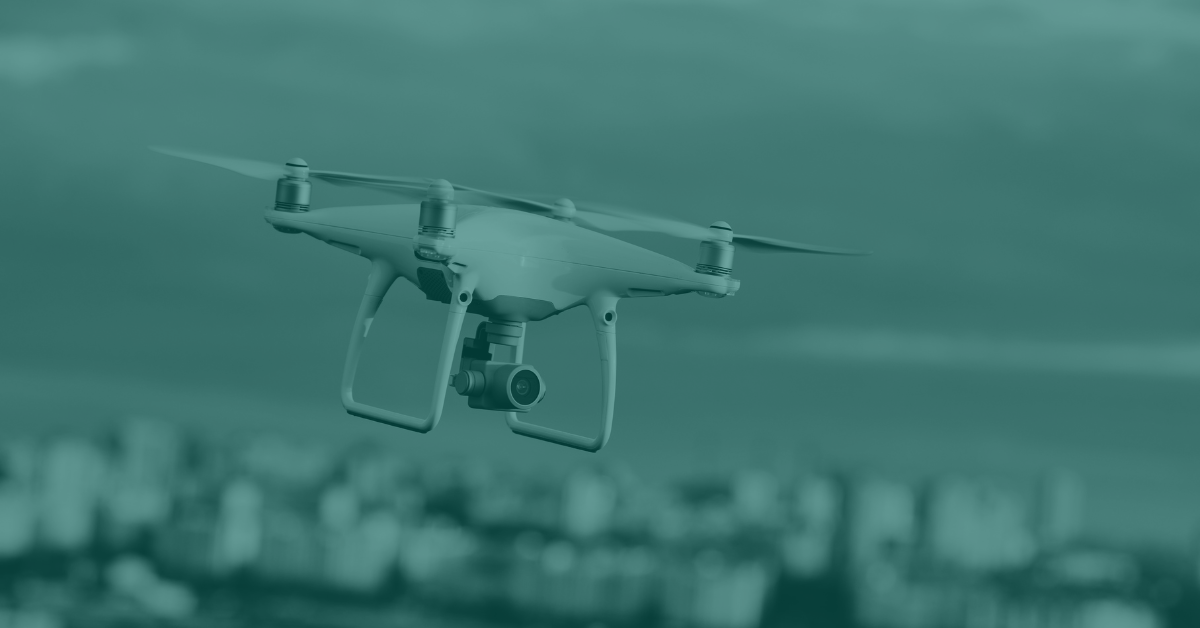
 Table Of Contents
Data centers have become a driving force in the modern digital economy—powering cloud services, global enterprise operations, and the explosive growth of artificial intelligence (AI). However, due to growing negative public discourse, data centers are facing a new physical threat vector: low-cost, payload-capable drones.
According to Flashpoint research, shifting public sentiment surrounding AI development, combined with the extreme accessibility of First-Person View (FPV) drone technology, is creating an unprecedented hybrid threat to physical critical infrastructure.
Here is what you need to know about this emerging threat landscape and what it means for physical security teams protecting critical assets.
Growing Online Sentiment and Anti-AI Hostility
Organizations tasked with protecting critical data infrastructure need to understand that this growing threat is not developing in a vacuum. Across both clearnet and Deep and Dark Web (DDW) forums, online discussions regarding data center expansion have intensified, with a significant portion bordering on hostility. Key drivers of negative sentiment include:
- Environmental & Local Concerns: Debates over massive energy consumption, water usage, noise, and localized quality-of-life impacts.
- Backlash against AI: Discontent directed at tech companies driving the rapid deployment of AI infrastructure.
- Perceived Regulatory Inaction: Frustration among activists who feel local and state governments are failing to halt or regulate new construction.
While much of the current online chatter currently revolves around organized protests and aspirational threats, Flashpoint analysts note a troubling uptick in rhetoric targeting corporate tech executives and data center infrastructure.
The Evolving Data Center Threat Landscape
Data centers across the United States are seeing a rapid increase in physical and operational threats. Vandalism and property destruction have become common topics in illicit online spaces when discussing data centers and their impact on everyday life. Flashpoint research highlights two primary force multipliers driving this threat:
DIY Drones & Low Barriers to Entry
Historically, kinetic airborne strikes required specialized equipment and advanced training. Today, that barrier to entry has virtually collapsed. Rapid improvements in drone manufacturing have made payload-capable aircraft extraordinarily accessible. In today’s market, an individual can purchase an off-the-shelf system or assemble a customized drone for under $1,000 USD.
Inspiration for these tactics is also readily available; widespread footage of FPV drones operating in conflict zones like Ukraine has demonstrated to online audiences how easily and effectively low-cost aircrafts can be weaponized. Threat actors view this as a high-yield investment, especially given the capability to deploy multiple drones in quick succession.
Protests as Cover for Physical Operations
Organized protests to stop data center development remain prevalent, and large crowds can easily overwhelm contracted security personnel, diminishing the effectiveness of a response to an aerial threat. A malicious actor could use a protest at a data center as cover to cause physical damage to the facility while security resources are spread thin. For example, on July 19, 2026, activists threw balloons filled with acetic acid at a data center construction site in Amsterdam. In its aftermath, Flashpoint analysts captured individuals online discussing the use of drones to deliver similar payloads.
Regulatory and Defense Measure Challenges
Current federal regulations limit the ability to effectively deter or stop an incoming drone threat because the US Federal Aviation Administration (FAA) classifies drones as aircraft. Therefore, organizations specializing in the physical security of data centers will likely need to increase their operational capabilities and advise companies on potential hardening to deter attacks.
Traditional foot patrols and monitoring perimeter access control points will be insufficient in mitigating overhead threats. The majority of data centers are currently not equipped with the specialized Counter-Unmanned Aircraft Systems (C-UAS) equipment, specialized training, or legal authorization needed to respond effectively to airborne incursions.
Protect Critical Infrastructure Using Flashpoint
Defending against aerial incursions requires moving from reactive security to proactive, intelligence-led physical protection. Physical security teams cannot afford to rely solely on ground-level surveillance when threat actors are leveraging open-source hardware and coordinating online.
Flashpoint Physical Security Intelligence (PSI) equips security teams and executive protection units with real-time visibility into emerging physical threats before they reach your perimeter:
- Early Warning Indicator Tracking: Monitor chatter across mainstream social platforms, fringe networks, and illicit DDW forums to identify probe attempts or the targeting of specific data center facilities and executives.
- Geospatial Threat Mapping: Overlay real-time intelligence onto physical assets using customizable geofencing to detect active incidents, protest activity, and drone-related discussions near sensitive sites.
- Actionable Counter-UAS Insights: Receive finished intelligence and analyst support to benchmark threat actor TTPs (Tactics, Techniques, and Procedures), enabling your organization to harden physical structures and justify operational investments.
To learn more about how Flashpoint helps safeguard critical infrastructure, executives, and high-value assets against physical and cyber threats, request a demo today.
See Flashpoint in Action
The post Data Center Physical Security: Mitigating FPV Drone Threats appeared first on Flashpoint.