Login
Login
Hate “The Algorithm?” RSS Is One of the Tools You’ve Been Looking For
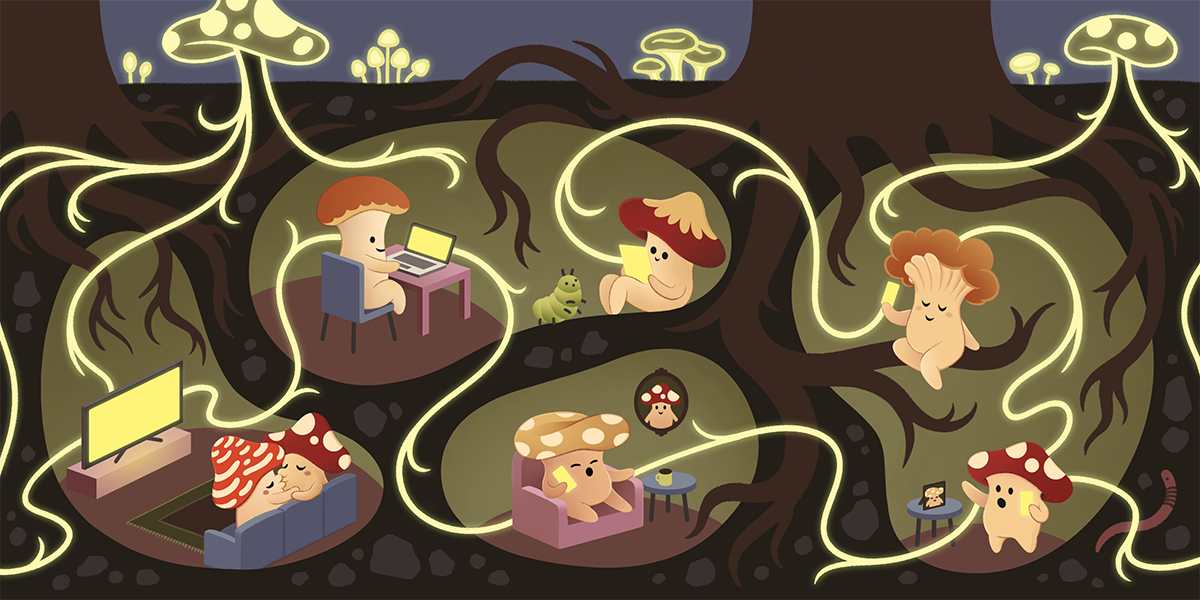
Poke your head into just about any online social network—or any general conversations about internet culture—and you’ll likely find a boogieman: the algorithm. Since at least the moment Facebook introduced (and apologized for) its News Feed, “the algorithm” has been shorthand for the ways the tech giants control what we see and when we see it. In the age of enshittification, there is a push to reclaim our feeds and networks. Good news: there’s a tool that’s been around for decades that can help wrangle many of your feeds into something manageable: Really Simple Syndication, more commonly known as RSS.
What’s RSS and How Do I Use It?
RSS has been around since 1999, but its real publicity glow-up came from Google Reader, a newsreader service that Google offered between 2005 and 2013. Despite the alarm bells people rang at the time, the death of Google Reader wasn’t the death of RSS, and many replacements have come and gone over the years.
RSS may seem complicated, but it boils down to one general concept: when websites publish new content, like news articles, blog entries, webcomics, videos, or podcasts, that content gets added to an RSS feed, where your RSS reader (aka newsreader, feed reader, or aggregator) will show you that content in chronological order. If you’ve ever used a podcast player like Apple Podcasts or Spotify to follow different podcasts, you’ve used RSS. You can think of it like an internet-wide “follow” button, where you can track the contents of websites, users, and more.
People talk about RSS like it’s a power user’s secret trick to making the internet more usable, but the real secret is that it’s not that hard to set up and use. Here’s what you need to do:
- Find an RSS reader: RSS readers come in many forms. Feedly, NewsBlur, or The Old Reader, are web-based, but have their own apps (though they also support third-party apps). Others, like NetNewsWire, are app-based, and support either using a web-based RSS reader like Feedly, or a local file. Some live in browsers or web extensions. There’s an abundance of choice in RSS readers, and part of the fun is finding one that best accomplishes what you want to do. But don’t worry about finding the right RSS reader right away. One of the many magic tricks of RSS is that it is platform agnostic, and nearly every RSS reader—whether it's a website or an app, supports importing and exporting a list of the sites you subscribe to. This means you can change RSS readers in a couple minutes. If you need some help finding an RSS reader, Wired, The Verge, and Privacy Guides all have useful roundups.
- Collect your feeds: As for adding websites to your feeds, the process is straightforward. Most RSS readers are designed to help find the feed for a site for you, so you don’t need to go hunting down a special link. Just drop the URL of what you want to follow in your reader, and if an RSS feed exists, it should be able to find it. If not, some sites, including ours (and our current podcast, EFFector as well as our last series, How to Fix the Internet), provide direct links to our RSS feeds.
- Sort, filter, and build your feed: Adding a bunch of new feeds can be overwhelming, particularly for news sites. RSS readers typically include folders, which let you group similar feeds together and can be great for lifting up low-traffic updates you don’t want to miss. Your reader may also have different filters, like the option to block any article that contains “sponsored post.”
RSS Is the Best Way to Follow the News
It can be very difficult to follow the news, whether that means politics, tech policy, or your hobbies. Solutions like Google News or Apple News have tried to make this simpler, but many find that their algorithmic feeds are as often a source of frustration and annoyance as they are genuinely useful. And no matter how often you tap on news stories that matter to you from publications you respect, there may always be stories that refuse to bubble up.
RSS can make reading the news much easier, reliable, and more private. The vast majority of news sites have RSS feeds you can subscribe to, and many, including CNN, The New York Times, BBC, Wired, Politico, and many others, offer RSS for specific sections or special feeds that include the full text of articles for subscribers, so you aren’t just pummeled with a firehose of news all day long (we’ll get to a tip below in the next section that tackles this problem if they don’t have separate feeds, though). In many cases, you can read articles right in your RSS reader, never being forced to engage with wonky comments sections or poor design choices on websites.
Of course, the news isn’t just general news sites, it also includes hobbyist or more niche sites, local news offerings, and blogs. Most of these sorts of websites also offer RSS feeds, as do newsletter platforms like Substack or Ghost.
RSS Offers One Way to Fix Some Social Feeds
Decentralized social media like Mastodon, Bluesky, and Threads, use RSS for user feeds, so you can follow your friend’s posts on Bluesky or Mastodon without actually having an account on either. This can be especially helpful for news sources, too—where you likely wouldn’t want to subscribe to a feed of everything a national news organization publishes because that would include dozens if not hundreds of stories a day, you can instead subscribe to their social media posts, which often get you the most breaking or important news.
The internet is more than just Facebook.
Some legacy social media works with RSS, too, including YouTube, Reddit (though that is currently at risk), and Tumblr. But others, like Facebook, LinkedIn, and Instagram, wall off posts behind account requirements that seem to pop up if you simply look at an account page for too long, let alone come in from an RSS feed. These walled gardens prevent information from getting out there, which ranges from annoying, like when your favorite local brewery only posts their food truck schedule on Instagram, to dangerous, like when local public services only post to a Facebook page.
The internet is more than just Facebook. It’s more than Mastodon or Bluesky, too. It’s a decentralized smorgasbord of websites, tools, feeds, newsletters, social profiles, and more, and treating it as such will help us wrangle the information we want and trust.
Other Surprising Places You’ll Find RSS Feeds
When in doubt, try copying and pasting the URL for a site into your RSS reader of choice, you might be surprised to find a feed that proves useful to you. Many places on the internet may offer RSS feeds without you even realizing it. For example, if you want to keep an eye on an artist’s prints that you like, but you don’t have Instagram where they usually post, you might be able to subscribe to their webstore, as some shopping platforms, like Big Cartel, create XML feeds that some RSS readers can read. And for something even more tweakable, even Google Alerts can be turned into RSS feeds.
RSS is one of the best examples we have of the open web, where we can design and customize how we experience the internet, not the other way around.
If you prefer to track policy over products, then you’ll be happy to know that government sites often support RSS, including most U.S. government sites, many of which break them into different sections like the U.S. Department of State’s various feeds. Many local governments or other public services, like fire departments may offer the same. Some universities (and university newspapers) also sometimes offer some RSS feeds.
And even if a website doesn’t have an RSS feed, there are workarounds from tools like RSSHub, RSS-Bridge, and RSS.app that require varying levels of technical expertise or a willingness to pay subscription fees.
RSS is one of the best examples we have of the open web, where we can design and customize how we experience the internet, not the other way around. RSS has come in and out of fashion, been declared dead, and has come back, every time. Open systems are the best way forward to a free, equitable internet, and the resilience and continued reinvention of RSS has shown just how creative the web community can be with open protocols.
Correction: clarified that Big Cartel creates an XML file, not an RSS feed.