❌

Reading view

Sony Nerfs Videogame Ownership

Legal intern Suzanne Castillo co-authored of this post.

Playstation’s decision to kill physical game discs is the latest attack on our diminishing rights to access and engage with culture digitally. Rent-seeking corporations and negligent lawmakers share the blame β€” and they can do better.Β 

We’ve seen the same playbook used in the move to digital distribution ofΒ  film, TV, and music: draw in customers with the convenience of a digital download, then limit physical access and move the goalpost on what it actually means to β€œown” a piece of media. The end goal is to turn the customer into a renter, stuck making regular subscription payments for access. Gamers are right to sound the alarm, and we must take this moment to fight for digital ownership before it’s too late.

Disk Space Invaders

Depriving gamers of physical discs leads to another obvious and immediate cost: data.Β  Unlike other digital media like film and TV, video games require a ton of storage. Access to high speed internet is still abysmal in the US, making the high-speeds needed for digital game downloads a luxury some of us may take for granted. For many, a modern game can take days and exceed their data caps.Β 

This made physical discs, particularly for the biggest AAA titles, a logical choice that also largely spared gamers from losing traditional ownership rights. With physical disks, the cost of storing the game was included in the purchase.

Own or Be Pwned

Limiting customers to digital copies also pushes gamers further into rent-only copyright culture.

Physical media comes with a "right of first sale," which means you can lawfully share, resell, alter, or destroy your own copy of a copyrighted work. This right has also helped protect the emergence of alternative community servers, and emulator addition of online play to games from the dial up era.

But courts have held that digital media doesn't carry the same right, meaning no such protection is afforded to digital purchases. Your ability to freely share games with friends or pass them on to family members becomes totally subject to the whims of the distributor.Β 

So, for example, a digital-only approach effectively guts the second-hand market for games. Saving some money with a used game and recouping the costs by reselling are no longer an option. Even with steep discounts and holiday sales, this raises the minimum cost of engaging with the medium at all.

The inevitable conclusion of the move to digital-only purchases is to lock gamers intoΒ  subscription models, making their access totally dependent on the distributor β€” or, several distributors, as we’ve seen with major TV and movie streamers. A handful of companies actually own the games, and your only option is to regularly pay for fractured libraries of games you may never play and will never truly own.

Achievement Locked

Since digital games are easy to copy, distributors and publishers argue that they are in an arms race against piracy. The irony is that law-abiding customers consistently suffer collateral damage.Β 

Most digital distributors lock down the content they offer with restrictive user agreements and digital rights management (DRM) software. DRM software, in particular, imposes onerous controls on the game β€” like forcing internet connection for single player games or modifications that harm performance β€” and can even introduce serious privacy and security concerns. Any gamer or researcher in the US who wants to reduce this burden by removing or modifying that DRM risks a lawsuit, thanks to Section 1201 of the Digital Millennium Copyright Act (DMCA). This federal law makes it illegal to alter DRM software, and is a beloved tool for companies trying to restrict how we can lawfully use our purchases β€” whether it’s a copy of the newest tractor simulator or a literal tractor.Β 

And since much of this DRM is tied to user accounts, ownership of a game is also revocable and modifiable for any number of reasons outside of your control. Error in your subscription payment? Your account got hacked? Licensing deal falls through with a major publisher? Developers want to kill the game in an update? All of this can limit or change your ability to access the game long after your so-called β€œpurchase.”

Level-up Ownership

Policymakers can and should work to restore our ownership rights for the digital age.Β 

That starts with legal protections ensuring that the same rights that apply to physical media apply to digital media. Next up? Reform Section 1201 of the DMCA to clarify that it does not forbid fair uses.Β Β 

At the state level, we need meaningful consumer protections. Some promising models include California’s AB 1921, which would clarify what customers are actually paying for on digital storefronts and ensure some protections for maintaining discontinued games. The gaming industry has done its best to kill the bill, including claiming that private community servers are illegal.Β 

If you bought it, you should own it, and EFF will continue working to mitigate some of the worst harms of the DMCA 1201, defending modders, and fighting deceptive licensing that makes culture less free.
  •  

Human Trust of AI Agents

Interesting research: β€œHumans expect rationality and cooperation from LLM opponents in strategic games.”

Abstract: As Large Language Models (LLMs) integrate into our social and economic interactions, we need to deepen our understanding of how humans respond to LLMs opponents in strategic settings. We present the results of the first controlled monetarily-incentivised laboratory experiment looking at differences in human behaviour in a multi-player p-beauty contest against other humans and LLMs. We use a within-subject design in order to compare behaviour at the individual level. We show that, in this environment, human subjects choose significantly lower numbers when playing against LLMs than humans, which is mainly driven by the increased prevalence of β€˜zero’ Nash-equilibrium choices. This shift is mainly driven by subjects with high strategic reasoning ability. Subjects who play the zero Nash-equilibrium choice motivate their strategy by appealing to perceived LLM’s reasoning ability and, unexpectedly, propensity towards cooperation. Our findings provide foundational insights into the multi-player human-LLM interaction in simultaneous choice games, uncover heterogeneities in both subjects’ behaviour and beliefs about LLM’s play when playing against them, and suggest important implications for mechanism design in mixed human-LLM systems.

  •  

The game is over: when β€œfree” comes at too high a price. What we know about RenEngine

We often describe cases of malware distribution under the guise of game cheats and pirated software. Sometimes such methods are used to spread complex malware that employs advanced techniques and sophisticated infection chains.

In February 2026, researchers from Howler Cell announced the discovery of a mass campaign distributing pirated games infected with a previously unknown family of malware. It turned out to be a loader called RenEngine, which was delivered to the device using a modified version of the Ren’Py engine-based game launcher. Kaspersky solutions detect the RenEngine loader as Trojan.Python.Agent.nb and HEUR:Trojan.Python.Agent.gen.

However, this threat is not new. Our solutions began detecting the first samples of the RenEngine loader in March 2025, when it was used to distribute the Lumma stealer (Trojan-PSW.Win32.Lumma.gen).

In the ongoing incidents, ACR Stealer (Trojan-PSW.Win32.ACRstealer.gen) is being distributed as the final payload. We have been monitoring this campaign for a long time and will share some details in this article.

Incident analysis

Disguise as a visual novel

Let’s look at the first incident, which we detected in March 2025. At that time, the attackers distributed the malware under the guise of a hacked game on a popular gaming web resource.

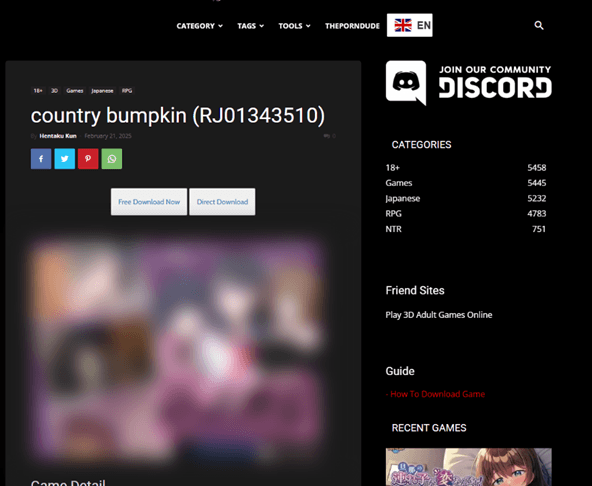
The website featured a game download page with two buttons: Free Download Now and Direct Download. Both buttons had the same functionality: they redirected users to the MEGA file-sharing service, where they were offered to download an archive with the β€œgame.”

Game download page

Game download page


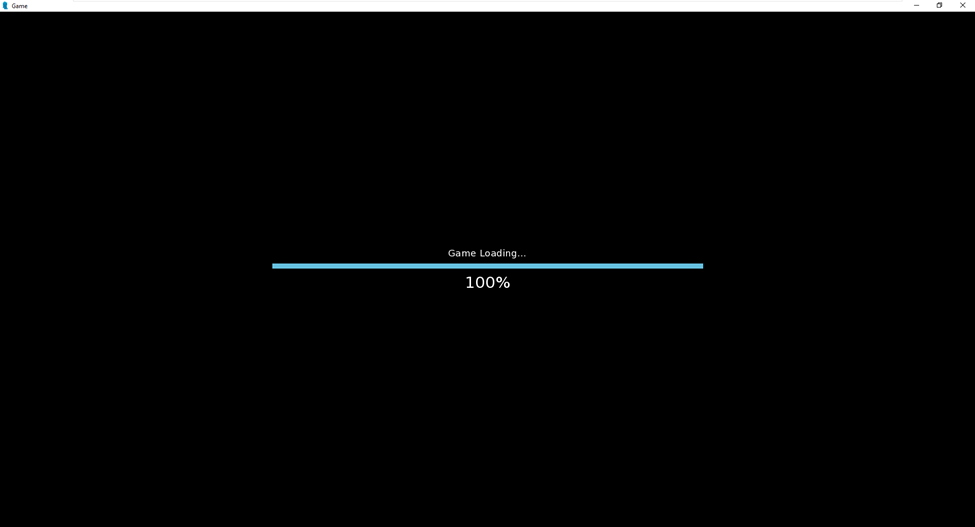
When the β€œgame” was launched, the download process would stop at 100%. One might think that the game froze, but that was not the case β€” the β€œreal” malicious code just started working.
Placeholder with the download screen

Placeholder with the download screen

β€œGame” source files analysis

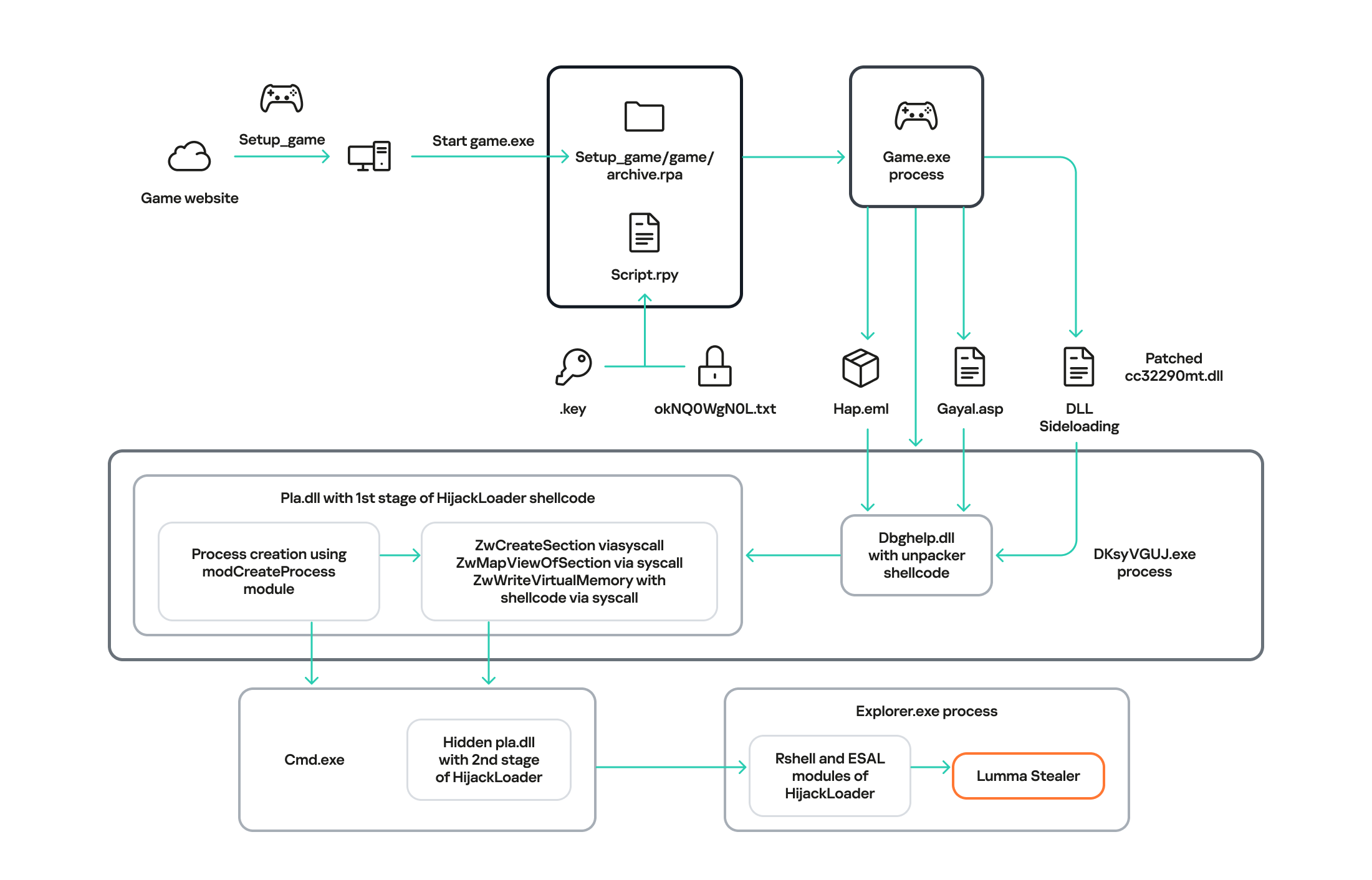
The full infection chain

The full infection chain


After analyzing the source files, we found Python scripts that initiated the initial device infection. These scripts imitated the endless loading of the game. In addition, they contained the is_sandboxed function for bypassing the sandbox and xor_decrypt_file for decrypting the malicious payload. Using the latter, the script decrypts the ZIP archive, unpacks its contents into the .temp directory, and launches the unpacked files.
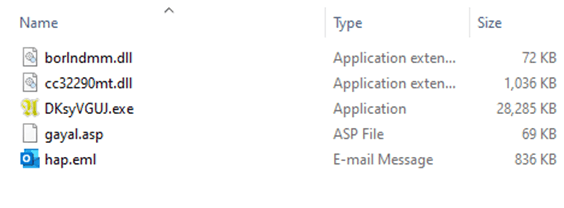
Contents of the .temp directory

Contents of the .temp directory


There are five files in the .temp directory. The DKsyVGUJ.exe executable is not malicious. Its original name is Ahnenblatt4.exe, and it is a well-known legitimate application for organizing genealogical data. The borlndmm.dll library also does not contain malicious code; it implements the memory manager required to run the executable. Another library, cc32290mt.dll, contains a code snippet patched by attackers that intercepts control when the application is launched and deploys the first stage of the payload in the process memory.

HijackLoader

The dbghelp.dll system library is used as a β€œcontainer” to launch the first stage of the payload. It is overwritten in memory with decrypted shellcode obtained from the gayal.asp file using the cc32290mt.dll library. The resulting payload is HijackLoader. This is a relatively new means of delivering and deploying malicious implants. A distinctive feature of this malware family is its modularity and configuration flexibility. HijackLoader was first detected and described in the summer of 2023. More detailed information about this loader is available to customers of the Kaspersky Intelligence Reporting Service.

The final payload can be delivered in two ways, depending on the configuration parameters of the malicious sample. The main HijackLoader ti module is used to launch and prepare the process for the final payload injection. In some cases, an additional module is also used, which is injected into an intermediate process launched by the main one. The code that performs the injection is the same in both cases.

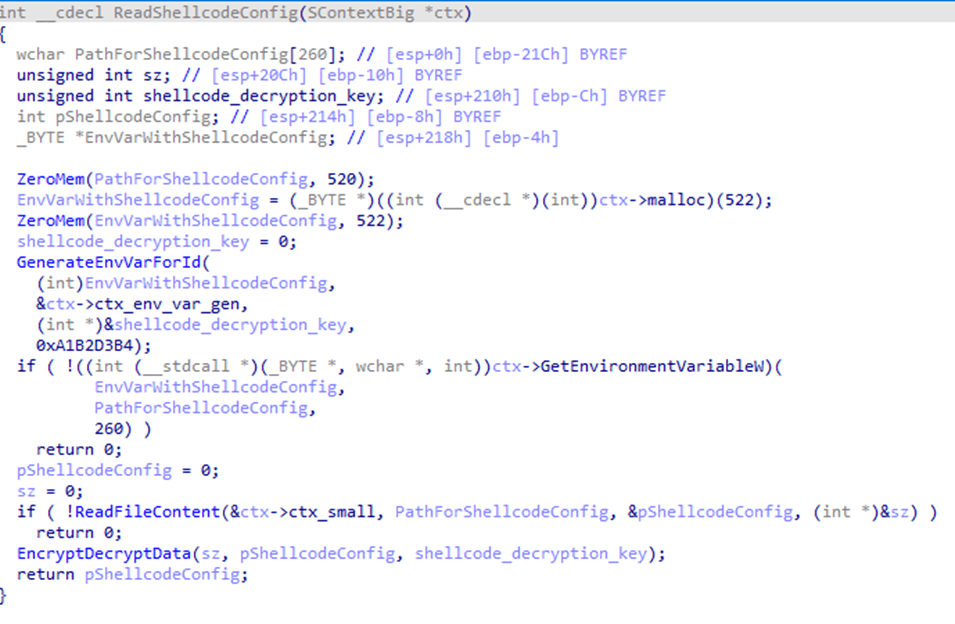
Before creating a child process, the configuration parameters are encrypted using XOR and saved to the %TEMP% directory with a random name. The file name is written to the system environment variables.

Loading configuration parameters saved by the main module

Loading configuration parameters saved by the main module


In the analyzed sample, the execution follows a longer path with an intermediate child process, cmd.exe. It is created in suspended mode by calling the auxiliary module modCreateProcess. Then, using the ZwCreateSection and ZwMapViewOfSection system API calls, the code of the same dbghelp.dll library is loaded into the address space of the process, after which it intercepts control.

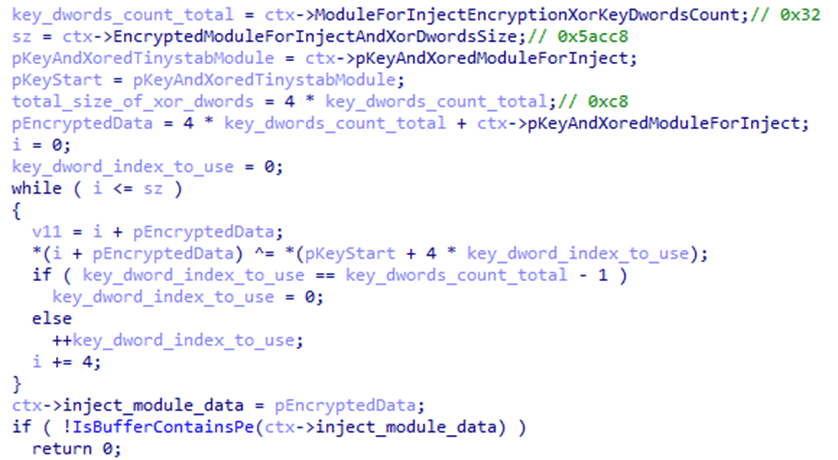
Next, the ti module, launched inside the child process, reads the hap.eml file, from which it decrypts the second stage of HijackLoader. The module then loads the pla.dll system library and overwrites the beginning of its code section with the received payload, after which it transfers control to this library.

Payload decryption

Payload decryption


The decrypted payload is an EXE file, and the configuration parameters are set to inject it into the explorer.exe child process. The payload is written to the memory of the child process in several stages:
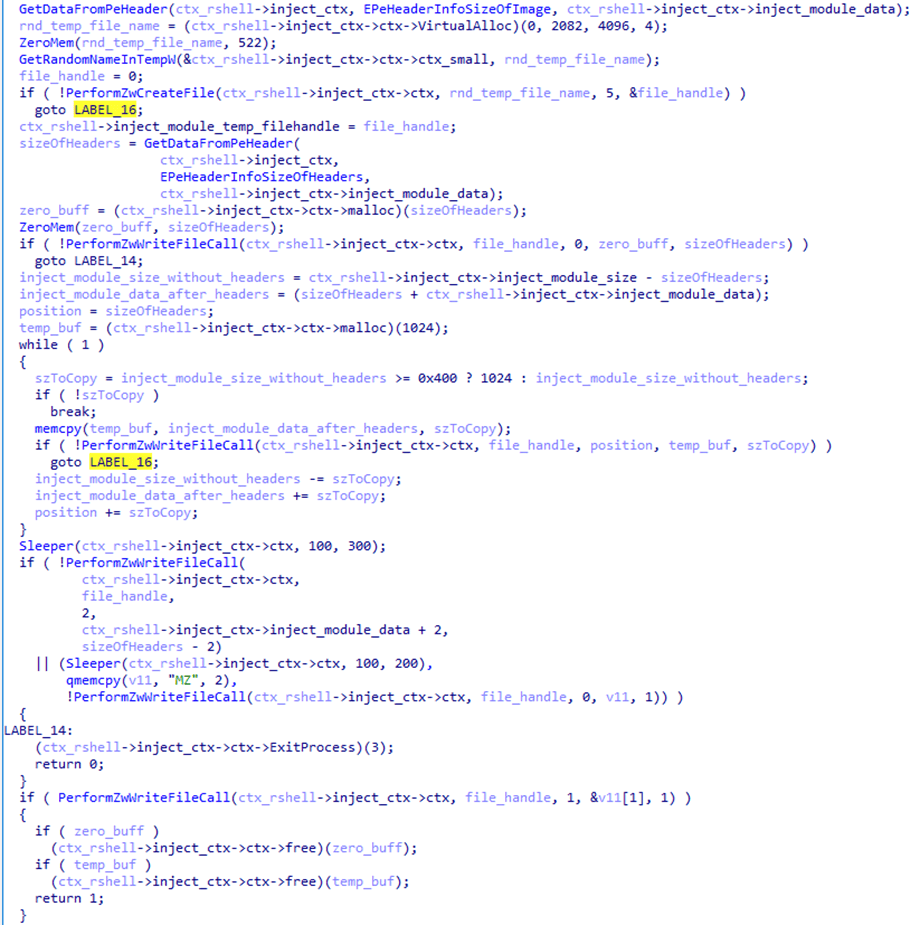
  1. First, the malicious payload is written to a temporary file on disk using the transaction mechanism provided by the Windows API. The payload is written in several stages and not in the order in which the data is stored in the file. The MZ signature, with which any PE file begins, is written last with a delay.
    Writing the payload to a temporary file

    Writing the payload to a temporary file

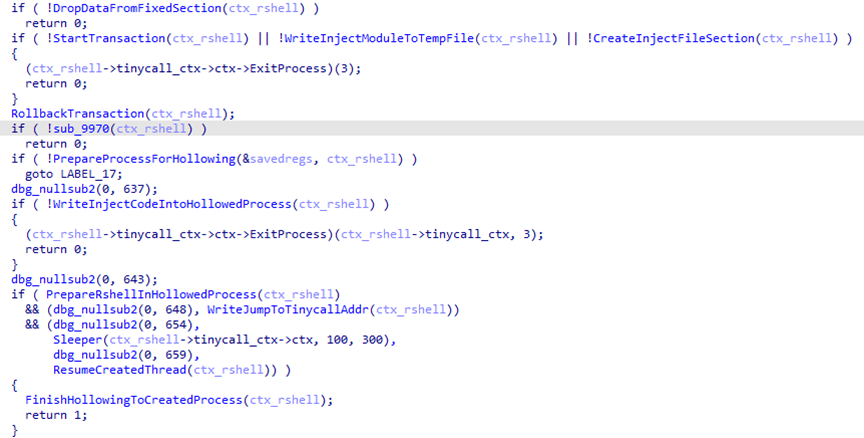
  2. After that, the payload is loaded from the temporary file into the address space of the current process using the ZwCreateSection call. The transaction that wrote to the file is rolled back, thus deleting the temporary file with the payload.
  3. Next, the sample uses the modCreateProcess module to launch the child process explorer.exe and injects the payload into it by creating a shared memory region with the ZwMapViewOfSection call.
    Payload injection into the child process

    Payload injection into the child process


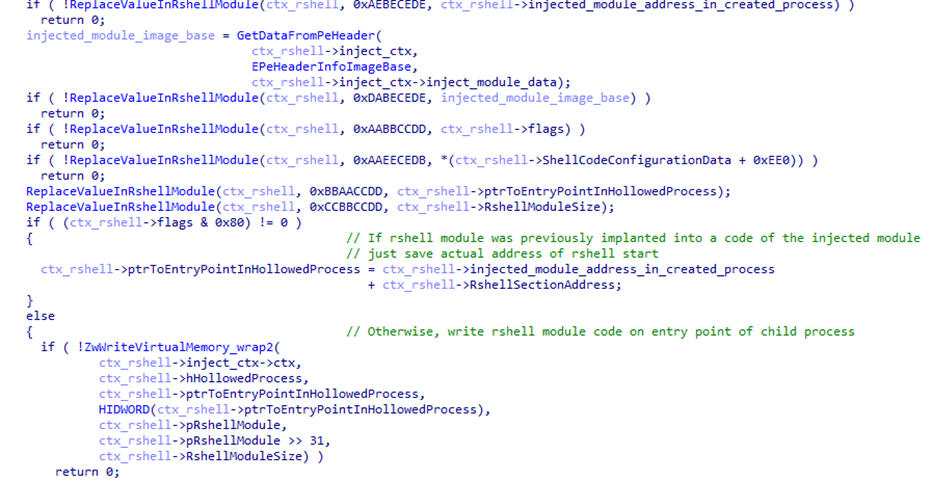
    Another HijackLoader module, rshell, is used to launch the shellcode. Its contents are also injected into the child process, replacing the code located at its entry point.
    The rshell module injection

    The rshell module injection

  4. The last step performed by the parent process is starting a thread in the child process by calling ZwResumeThread. After that, the thread starts executing the rshell module code placed at the child process entry point, and the parent process terminates.

    The rshell module prepares the final malicious payload. Once it has finished, it transfers control to another HijackLoader module called ESAL. It replaces the contents of rshell with zeros using the memset function and launches the final payload, which is a stealer from the Lumma family (Trojan-PSW.Win32.Lumma).

In addition to the modules described above, this HijackLoader sample contains the following modules, which were used at intermediate stages: COPYLIST, modTask, modUAC, and modWriteFile.
Kaspersky solutions detect HijackLoader with the verdicts Trojan.Win32.Penguish and Trojan.Win32.DllHijacker.

Not only games

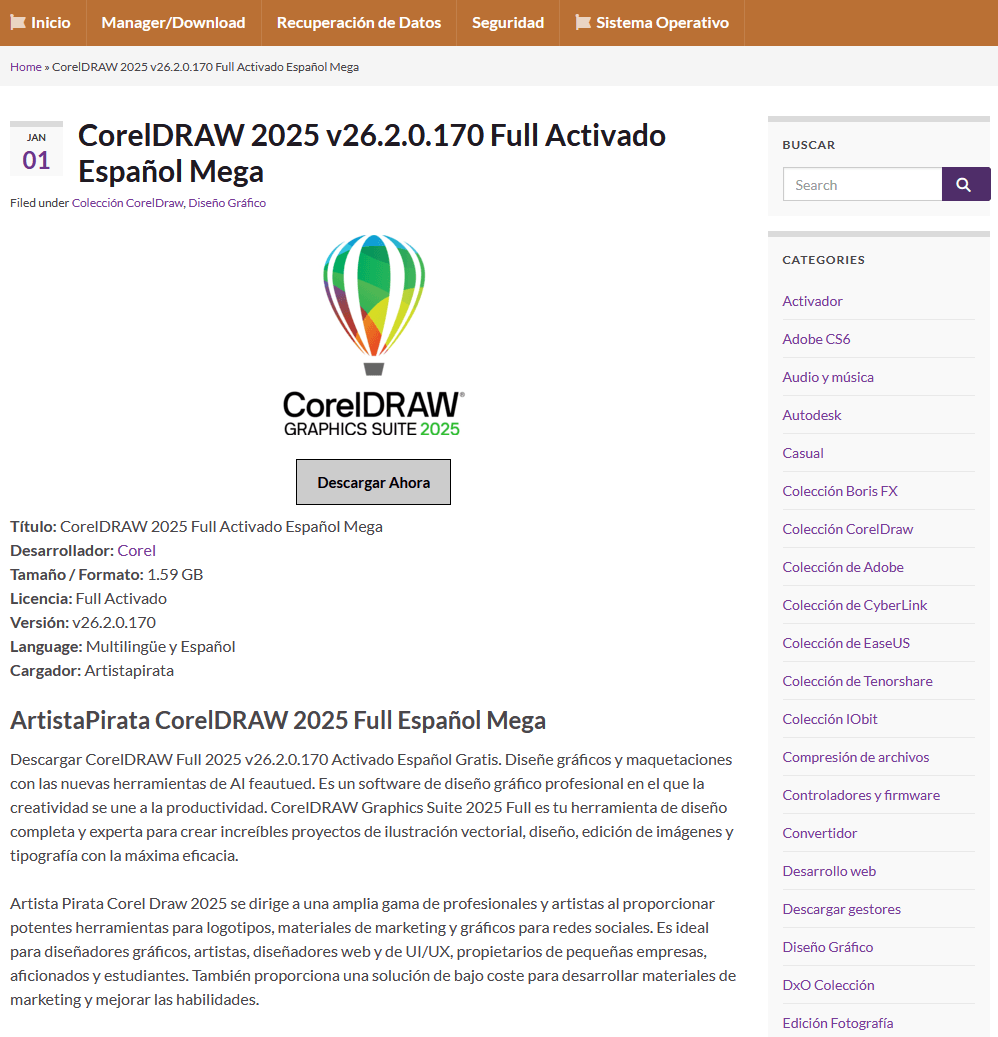
In addition to gaming sites, we found that attackers created dozens of different web resources to distribute RenEngine under the guise of pirated software. On one such site, for example, users can supposedly download an activated version of the CorelDRAW graphics editor.

Distribution of RenEngine under the guise of the CorelDRAW pirated version

Distribution of RenEngine under the guise of the CorelDRAW pirated version


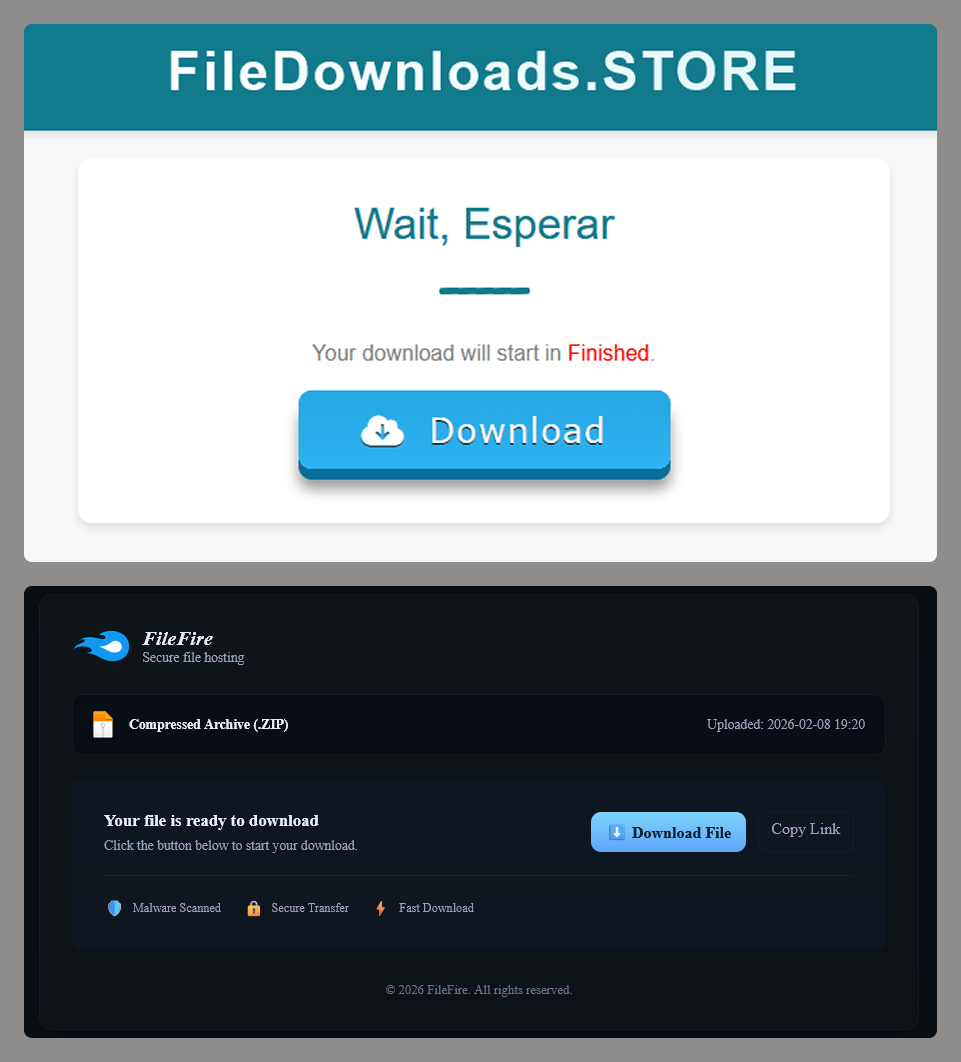
When the user clicks the Descargar Ahora (β€œDownload Now”) button, they are redirected several times to other malicious websites, after which an infected archive is downloaded to their device.
File storage imitations

File storage imitations

Distribution

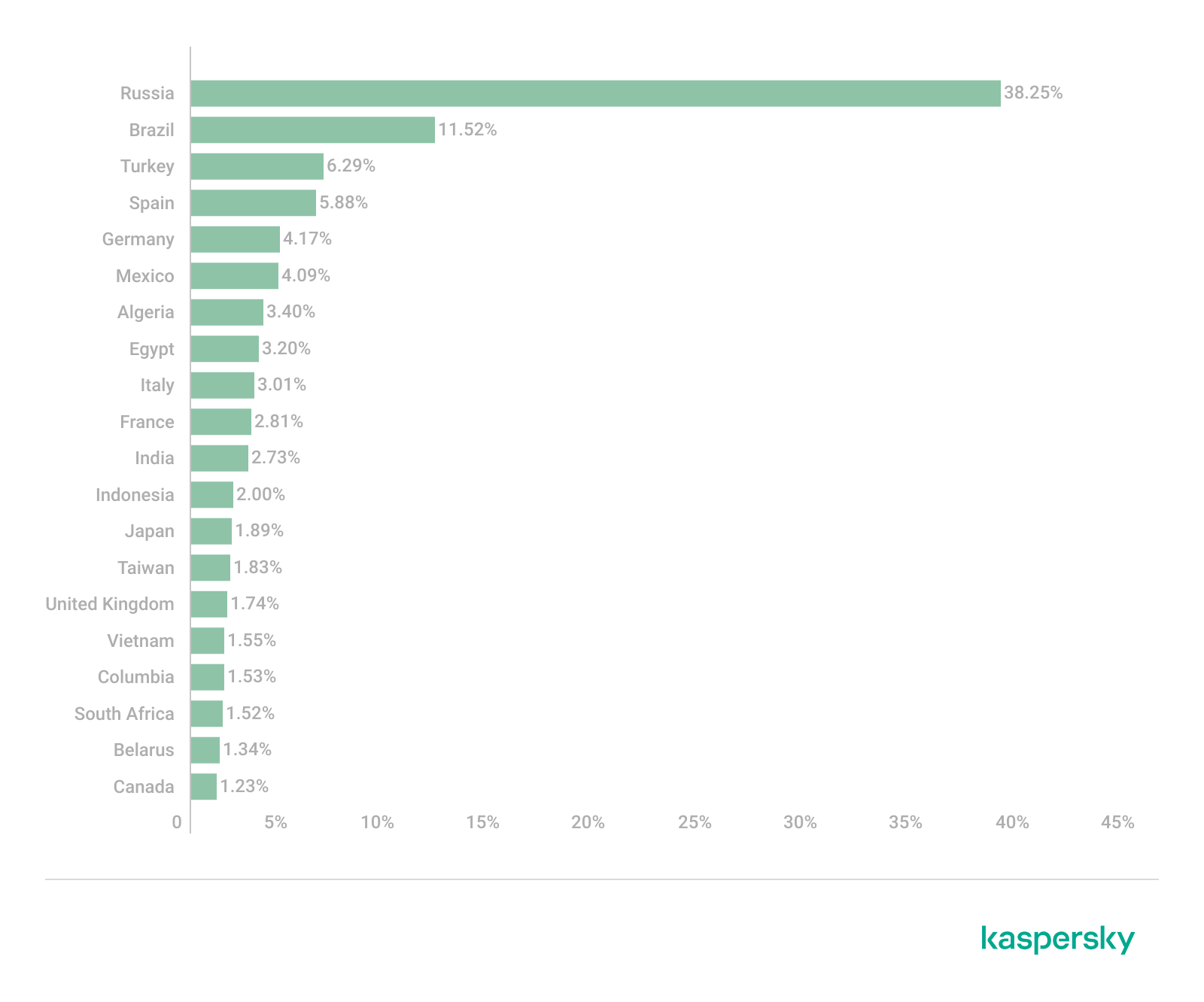
According to our data, since March 2025, RenEngine has affected users in the following countries:

Distribution of incidents involving the RenEngine loader by country (TOP 20), February 2026 (download)

The distribution pattern of this loader suggests that the attacks are not targeted. At the time of publication, we have recorded the highest number of incidents in Russia, Brazil, TΓΌrkiye, Spain, and Germany.

Recommendations for protection

The format of game archives is generally not standardized and is unique for each game. This means that there is no universal algorithm for unpacking and checking the contents of game archives. If the game engine does not check the integrity and authenticity of executable resources and scripts, such an archive can become a repository for malware if modified by attackers. Despite this, Kaspersky Premium protects against such threats with its Behavior Detection component.

The distribution of malware under the guise of pirated software and hacked games is not a new tactic. It is relatively easy to avoid infection by the malware described in this article: simply install games and programs from trusted sites. In addition, it is important for gamers to remember the need to install specialized security solutions. This ongoing campaign employs the Lumma and ACR stylers, and Vidar was also found β€” none of these are new threats, but rather long-known malware. This means that modern antivirus technologies can detect even modified versions of the above-mentioned stealers and their alternatives, preventing further infection.

Indicators of compromise

12EC3516889887E7BCF75D7345E3207A – setup_game_8246.zip
D3CF36C37402D05F1B7AA2C444DC211A – __init.py__
1E0BF40895673FCD96A8EA3DDFAB0AE2 – cc32290mt.dll
2E70ECA2191C79AD15DA2D4C25EB66B9 – Lumma Stealer

hxxps://hentakugames[.]com/country-bumpkin/
hxxps://dodi-repacks[.]site
hxxps://artistapirata[.]fit
hxxps://artistapirata[.]vip
hxxps://awdescargas[.]pro
hxxps://fullprogramlarindir[.]me
hxxps://gamesleech[.]com
hxxps://parapcc[.]com
hxxps://saglamindir[.]vip
hxxps://zdescargas[.]pro
hxxps://filedownloads[.]store
hxxps://go[.]zovo[.]ink

Lumma C2
hxxps://steamcommunity[.]com/profiles/76561199822375128
hxxps://localfxement[.]live
hxxps://explorebieology[.]run
hxxps://agroecologyguide[.]digital
hxxps://moderzysics[.]top
hxxps://seedsxouts[.]shop
hxxps://codxefusion[.]top
hxxps://farfinable[.]top
hxxps://techspherxe[.]top
hxxps://cropcircleforum[.]today

  •  
❌