The Olympic Games are more than just a massive celebration of sports; they’re a high-stakes business. Officially, the projected economic impact of the Winter Games — which kicked off on February 6 in Italy — is estimated at 5.3 billion euros. A lion’s share of that revenue is expected to come from fans flocking in from around the globe — with over 2.5 million tourists predicted to visit Italy. Meanwhile, those staying home are tuning in via TV and streaming. According to the platforms, viewership ratings are already hitting their highest peaks since 2014.
But while athletes are grinding for medals and the world is glued to every triumph and heartbreak, a different set of “competitors” has entered the arena to capitalize on the hype and the trust of eager fans. Cyberscammers of all stripes have joined an illegal race for the gold, knowing full well that a frenzy is a fraudster’s best friend.
Kaspersky experts have tracked numerous fraudulent schemes targeting fans during these Winter Games. Here’s how to avoid frustration in the form of fake tickets, non-existent merch, and shady streams, so you can keep your money and personal data safe.
Tickets to nowhere
The most popular scam on this year’s circuit is the sale of non-existent tickets. Usually, there are far fewer seats at the rinks and slopes than there are fans dying to see the main events. In a supply-and-demand crunch, folks scramble for any chance to snag those coveted passes, and that’s when phishing sites — clones of official vendors — come to the “rescue”. Using these, bad actors fish for fans’ payment details to either resell them on the dark web or drain their accounts immediately.
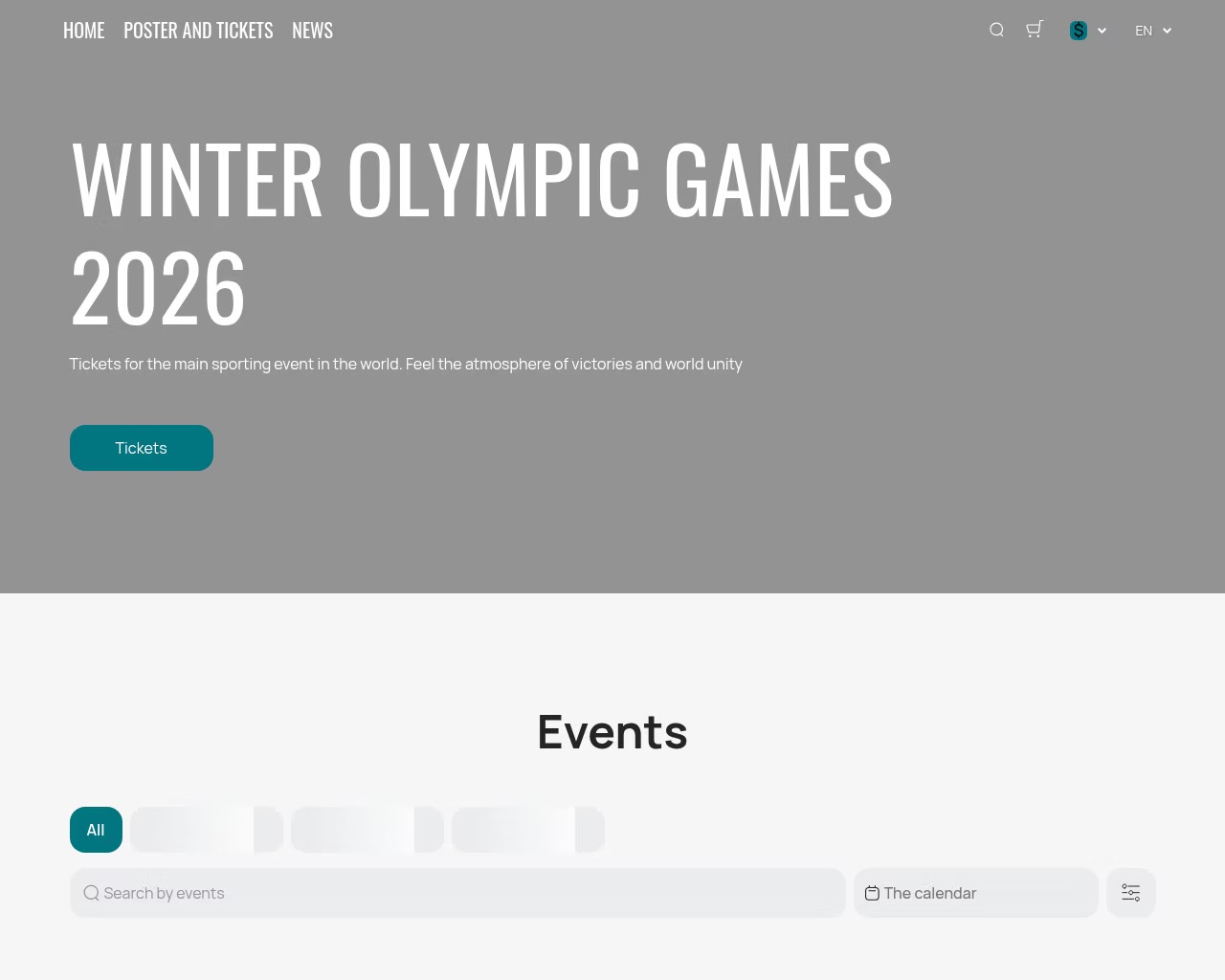
This is what a fraudulent site selling fake Olympic tickets looks like
Remember: tickets for any Olympic event are sold only through the authorized Olympic platform or its listed partners. Any third-party site or seller outside the official channel is a scammer. We’re putting that play in the penalty box!
A fake goalie mitt, a counterfeit stick…
Dreaming of a Sydney Sweeney — sorry, Sidney Crosby — jersey? Or maybe you want a tracksuit with the official Games logo? Scammers have already set up dozens of fake online stores just for you! To pull off the heist, they use official logos, convincing photos, and padded rave reviews. You pay, and in return, you get… well, nothing but a transaction alert and your card info stolen.
A fake online store for Olympic merchandise

Naive shoppers are being lured with gifts: "free" mugs and keychains featuring the Olympic mascot
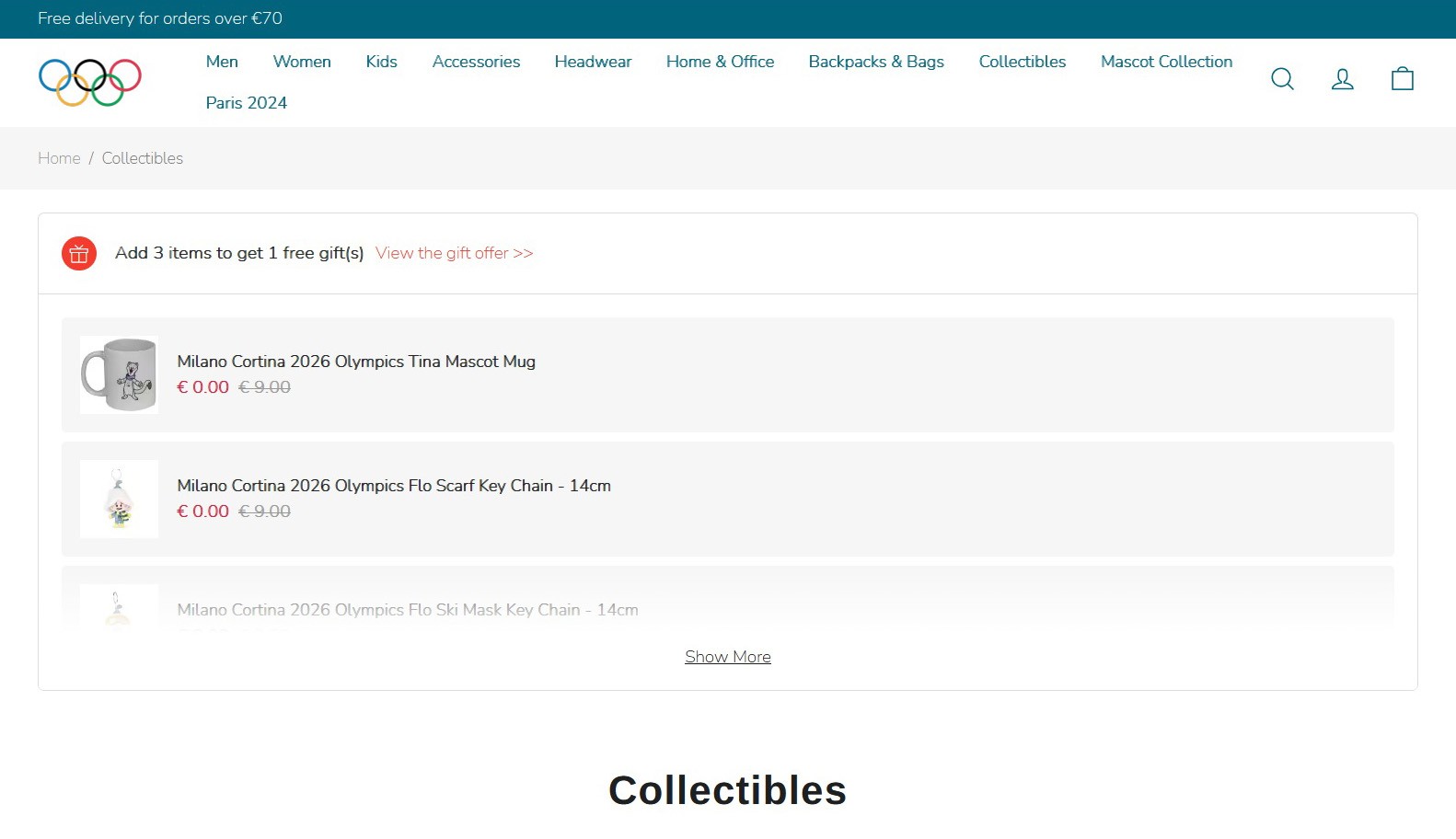
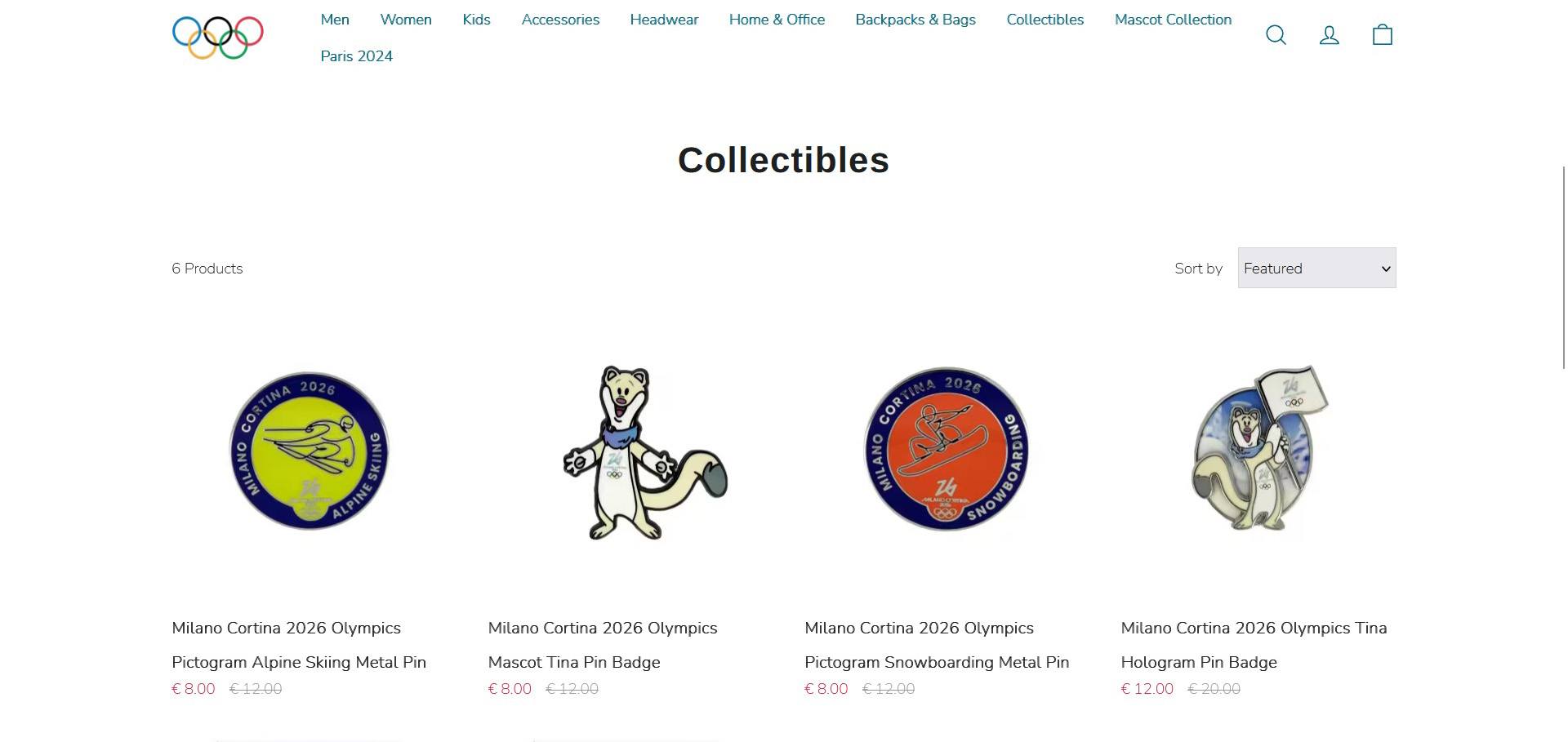
And a hefty "discount" on pins
I want my Olympic TV!
What if you prefer watching the action from the comfort of your couch rather than trekking from stadium to stadium, but you’re not exactly thrilled about paying for a pricey streaming subscription? Maybe there’s a free stream out there?
The bogus streaming service warns you right away that you can't watch just like that — you have to register. But hey, it's free!

Another "media provider" fishes for emails to build spam lists or for future phishing...
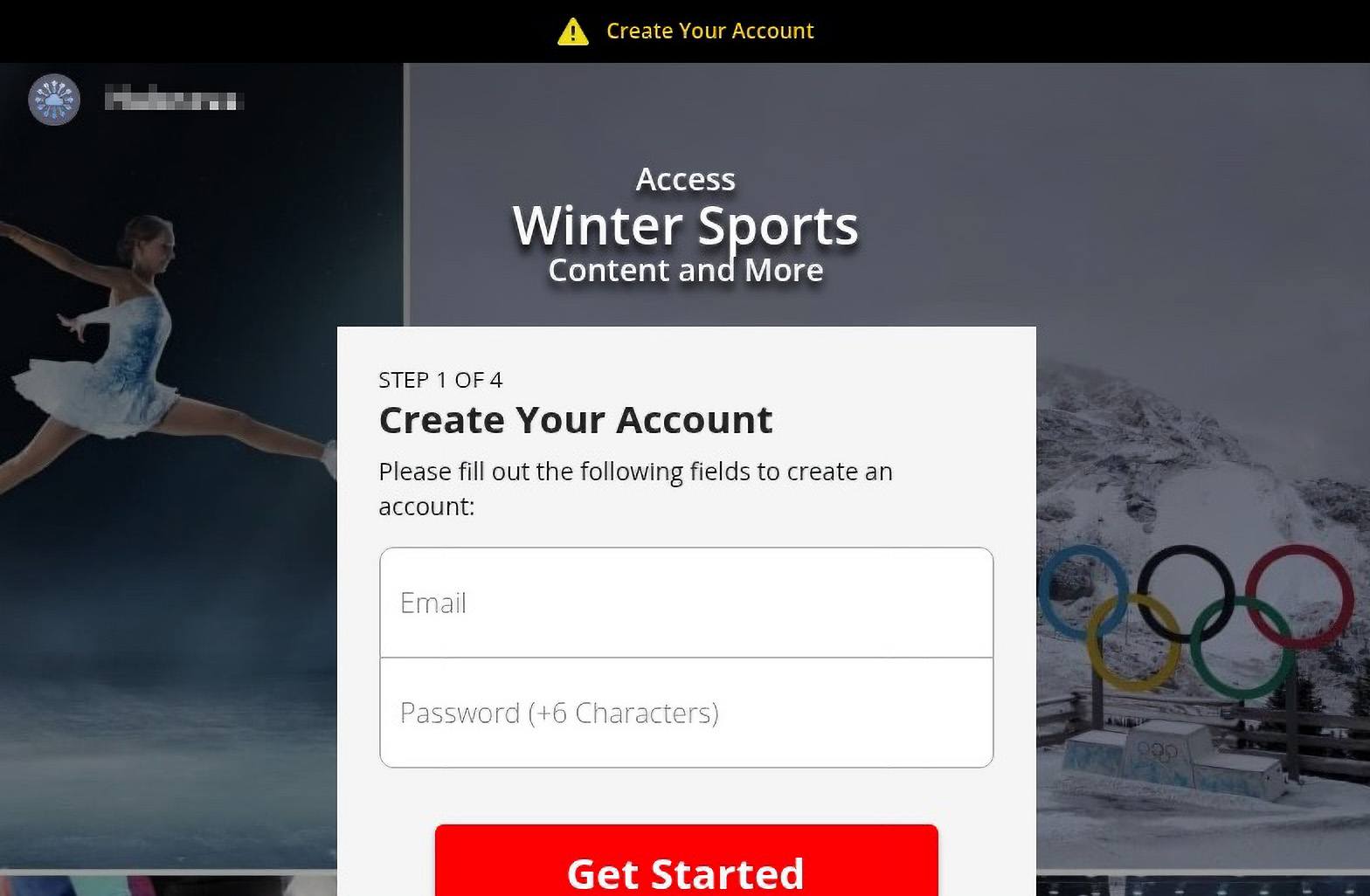
...But to watch the "free" broadcast, you have to provide your personal data and credit card info
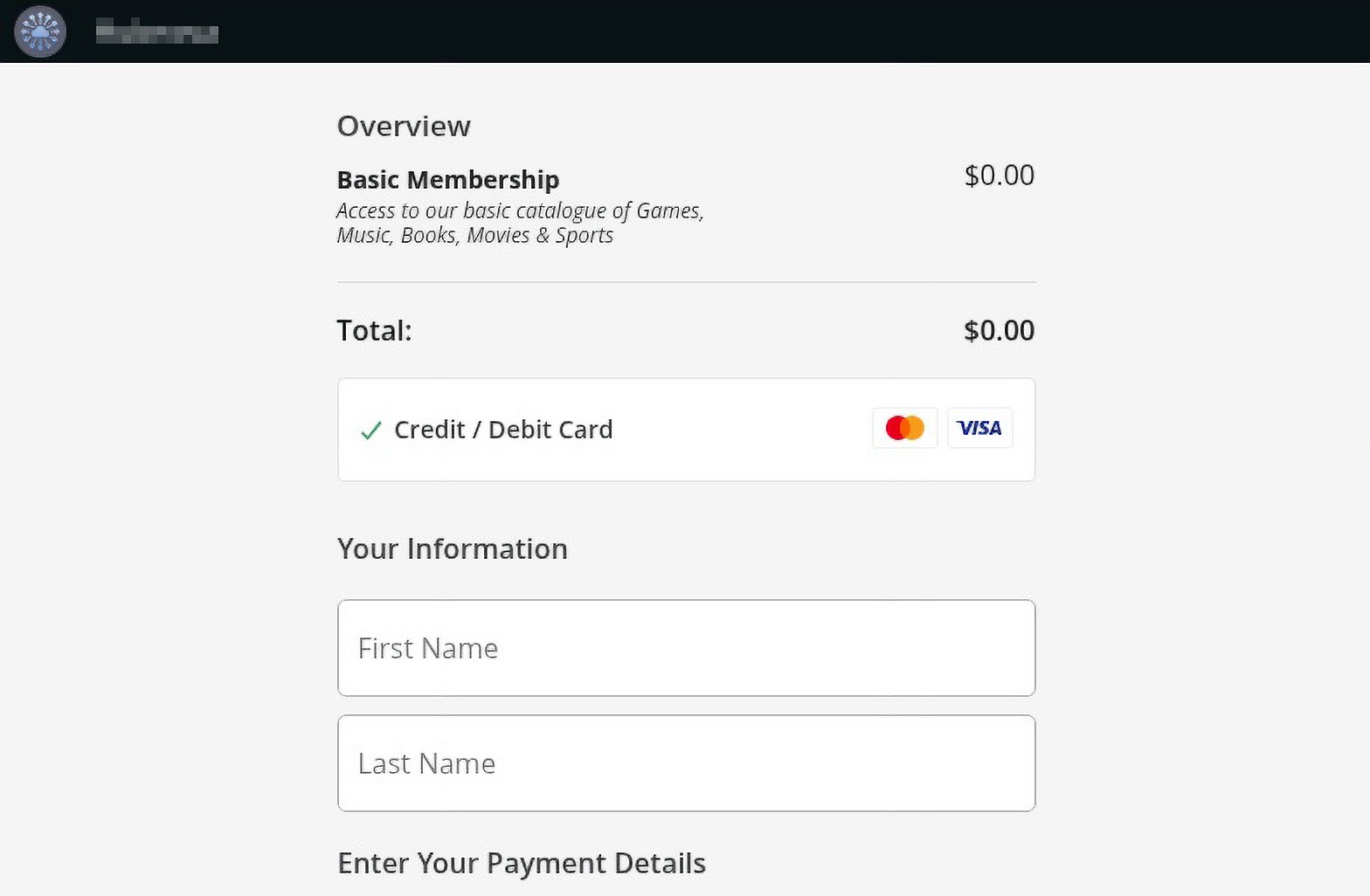
Sure thing! Five seconds of searching and your screen is flooded with dozens of “cheap”, “exclusive”, or even “free” live streams. They’ve got everything from figure skating to curling. But there’s a catch: for some reason — even though it’s supposedly free — a pop-up appears asking for your credit card details.
You type them in and hit “Play”, but instead of the long-awaited free skate program, you end up on a webcam ad site or somewhere even sketchier. The result: no show for you. At best, you were just used for traffic arbitrage; at worst, they now have access to your bank account. Either way, it’s a major bummer.
Defensive tactics
Scammers have been ripping off sports fans for years, and their payday depends entirely on how well they can mimic official portals. To stay safe, fans should mount a tiered defense: install reliable security software to block phishing, and keep a sharp eye on every URL you visit. If something feels even slightly off, never, ever enter your personal or payment info.
Stick to authorized channels for tickets. Steer clear of third-party resellers and always double-check info on the official Olympic website.
Use legitimate streaming services. Read the reviews and don’t hand over your credit card details to unverified sites.
Be wary of Olympic merch and gift vendors. Don’t get baited by “exclusive” offers or massive discounts from unknown stores. Only buy from official retail partners.
Avoid links in emails, direct messages, texts, or ads offering free tickets, streams, promo codes, or prize giveaways.
Deploy a robust security solution. For instance, Kaspersky Premium automatically shuts down phishing attempts and blocks dangerous websites, malicious ads, and credit card skimmers in real time.
Want to see how sports fans were targeted in the past? Check out our previous posts:

We often describe cases of malware distribution under the guise of game cheats and pirated software. Sometimes such methods are used to spread complex malware that employs advanced techniques and sophisticated infection chains.
In February 2026, researchers from Howler Cell announced the discovery of a mass campaign distributing pirated games infected with a previously unknown family of malware. It turned out to be a loader called RenEngine, which was delivered to the device using a modified version of the Ren’Py engine-based game launcher. Kaspersky solutions detect the RenEngine loader as Trojan.Python.Agent.nb and HEUR:Trojan.Python.Agent.gen.
However, this threat is not new. Our solutions began detecting the first samples of the RenEngine loader in March 2025, when it was used to distribute the Lumma stealer (Trojan-PSW.Win32.Lumma.gen).
In the ongoing incidents, ACR Stealer (Trojan-PSW.Win32.ACRstealer.gen) is being distributed as the final payload. We have been monitoring this campaign for a long time and will share some details in this article.
Incident analysis
Disguise as a visual novel
Let’s look at the first incident, which we detected in March 2025. At that time, the attackers distributed the malware under the guise of a hacked game on a popular gaming web resource.
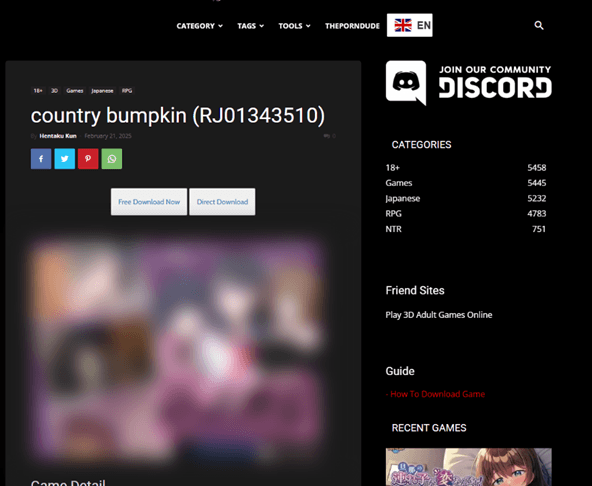
The website featured a game download page with two buttons: Free Download Now and Direct Download. Both buttons had the same functionality: they redirected users to the MEGA file-sharing service, where they were offered to download an archive with the “game.”
Game download page
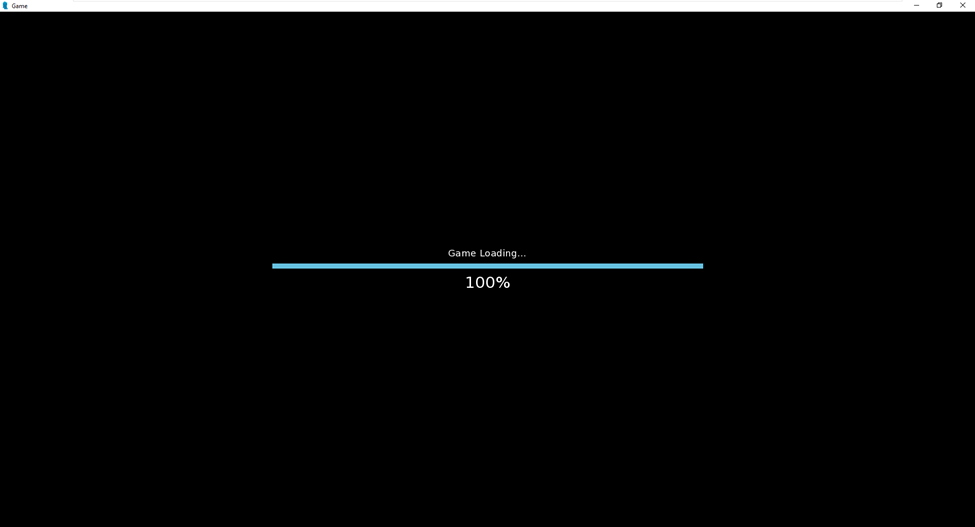
When the “game” was launched, the download process would stop at 100%. One might think that the game froze, but that was not the case — the “real” malicious code just started working.
Placeholder with the download screen
“Game” source files analysis
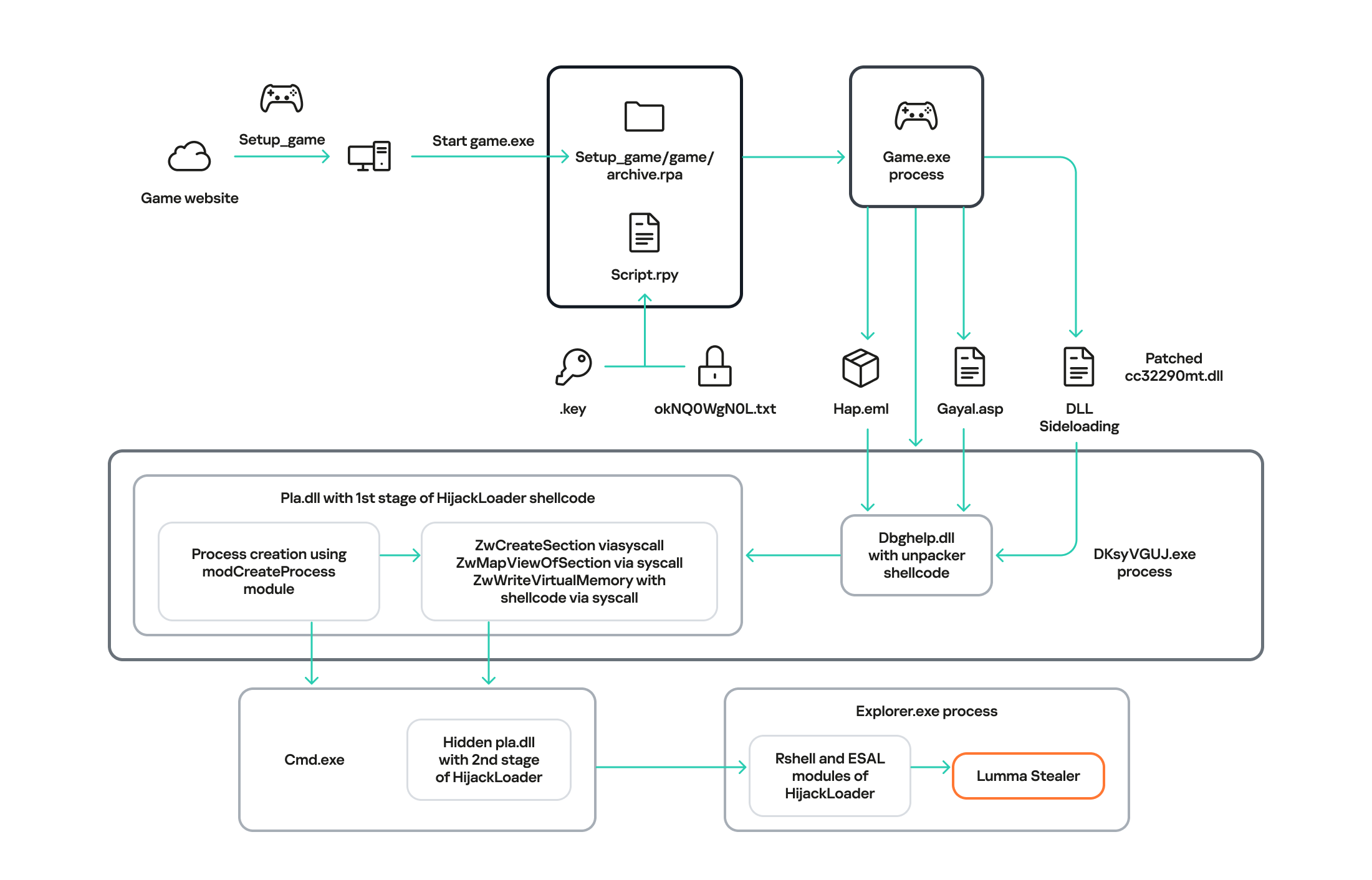
The full infection chain
After analyzing the source files, we found Python scripts that initiated the initial device infection. These scripts imitated the endless loading of the game. In addition, they contained the is_sandboxed function for bypassing the sandbox and xor_decrypt_file for decrypting the malicious payload. Using the latter, the script decrypts the ZIP archive, unpacks its contents into the .temp directory, and launches the unpacked files.
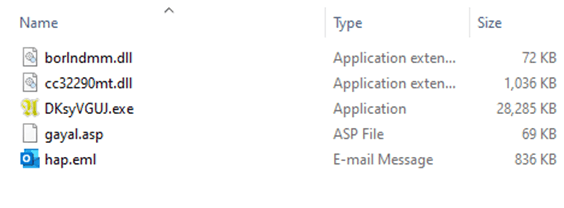
Contents of the .temp directory
There are five files in the .temp directory. The DKsyVGUJ.exe executable is not malicious. Its original name is Ahnenblatt4.exe, and it is a well-known legitimate application for organizing genealogical data. The borlndmm.dll library also does not contain malicious code; it implements the memory manager required to run the executable. Another library, cc32290mt.dll, contains a code snippet patched by attackers that intercepts control when the application is launched and deploys the first stage of the payload in the process memory.
HijackLoader
The dbghelp.dll system library is used as a “container” to launch the first stage of the payload. It is overwritten in memory with decrypted shellcode obtained from the gayal.asp file using the cc32290mt.dll library. The resulting payload is HijackLoader. This is a relatively new means of delivering and deploying malicious implants. A distinctive feature of this malware family is its modularity and configuration flexibility. HijackLoader was first detected and described in the summer of 2023. More detailed information about this loader is available to customers of the Kaspersky Intelligence Reporting Service.
The final payload can be delivered in two ways, depending on the configuration parameters of the malicious sample. The main HijackLoader ti module is used to launch and prepare the process for the final payload injection. In some cases, an additional module is also used, which is injected into an intermediate process launched by the main one. The code that performs the injection is the same in both cases.
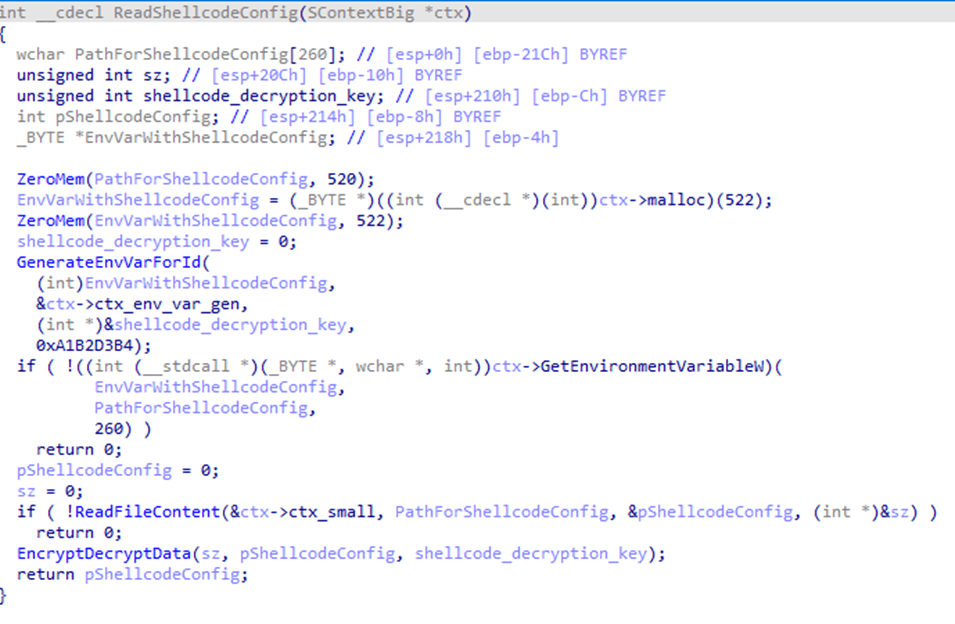
Before creating a child process, the configuration parameters are encrypted using XOR and saved to the %TEMP% directory with a random name. The file name is written to the system environment variables.
Loading configuration parameters saved by the main module
In the analyzed sample, the execution follows a longer path with an intermediate child process, cmd.exe. It is created in suspended mode by calling the auxiliary module modCreateProcess. Then, using the ZwCreateSection and ZwMapViewOfSection system API calls, the code of the same dbghelp.dll library is loaded into the address space of the process, after which it intercepts control.
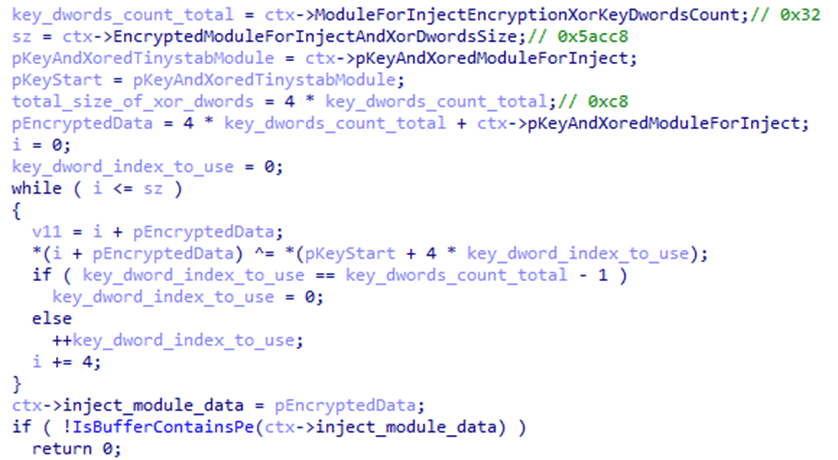
Next, the ti module, launched inside the child process, reads the hap.eml file, from which it decrypts the second stage of HijackLoader. The module then loads the pla.dll system library and overwrites the beginning of its code section with the received payload, after which it transfers control to this library.
Payload decryption
The decrypted payload is an EXE file, and the configuration parameters are set to inject it into the explorer.exe child process. The payload is written to the memory of the child process in several stages:
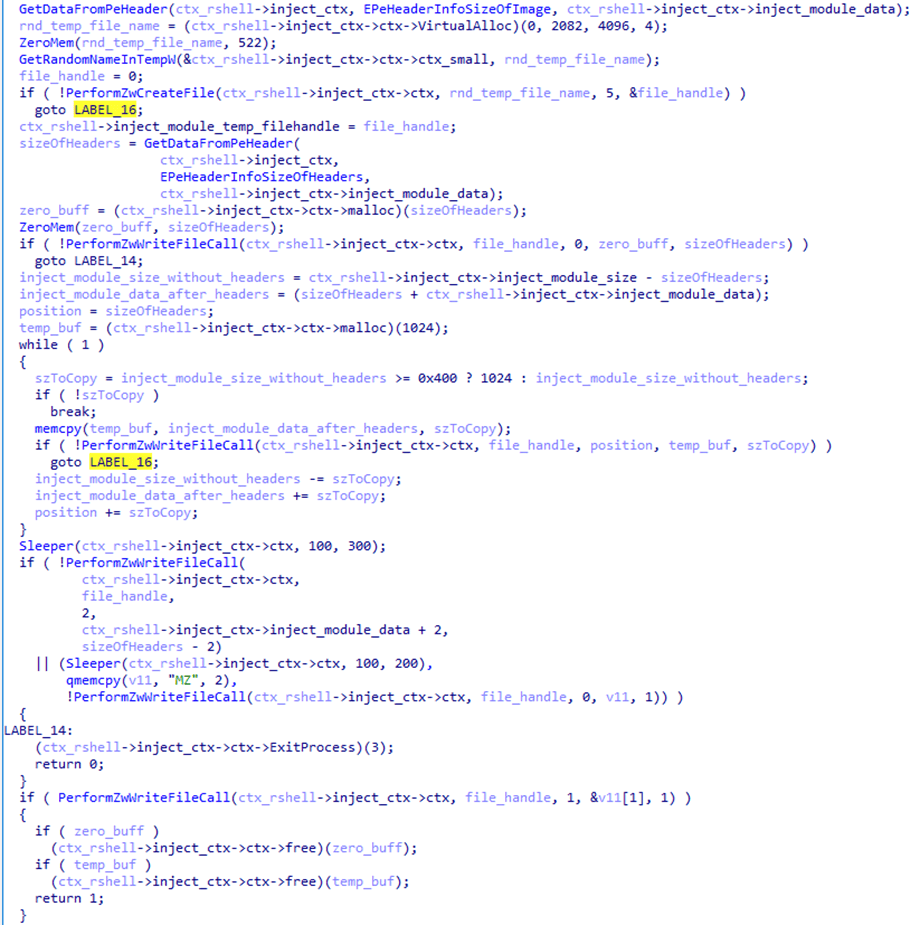
First, the malicious payload is written to a temporary file on disk using the transaction mechanism provided by the Windows API. The payload is written in several stages and not in the order in which the data is stored in the file. The MZ signature, with which any PE file begins, is written last with a delay.
Writing the payload to a temporary file
After that, the payload is loaded from the temporary file into the address space of the current process using the ZwCreateSection call. The transaction that wrote to the file is rolled back, thus deleting the temporary file with the payload.
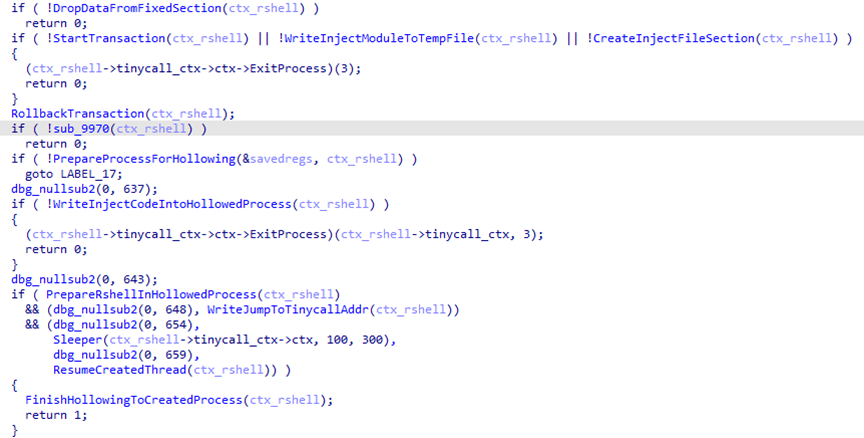
Next, the sample uses the modCreateProcess module to launch the child process explorer.exe and injects the payload into it by creating a shared memory region with the ZwMapViewOfSection call.
Payload injection into the child process
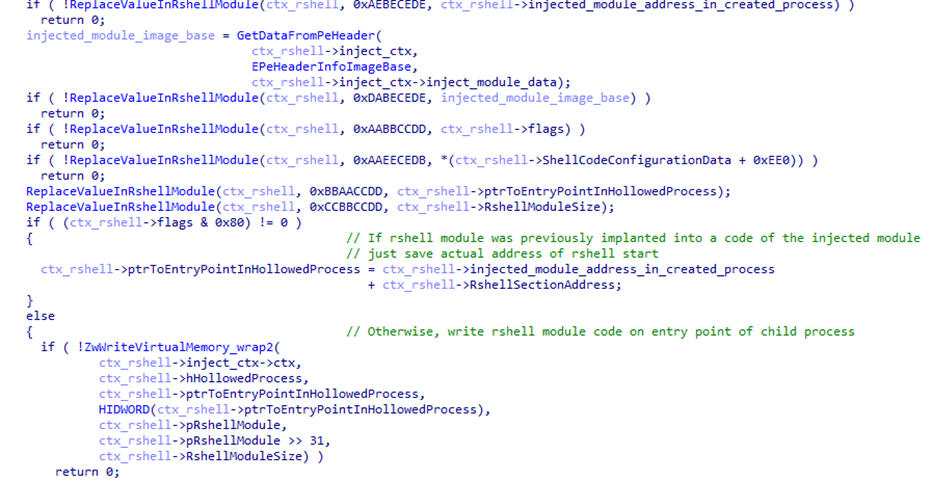
Another HijackLoader module, rshell, is used to launch the shellcode. Its contents are also injected into the child process, replacing the code located at its entry point.
The rshell module injection
The last step performed by the parent process is starting a thread in the child process by calling ZwResumeThread. After that, the thread starts executing the rshell module code placed at the child process entry point, and the parent process terminates.
The rshell module prepares the final malicious payload. Once it has finished, it transfers control to another HijackLoader module called ESAL. It replaces the contents of rshell with zeros using the memset function and launches the final payload, which is a stealer from the Lumma family (Trojan-PSW.Win32.Lumma).
In addition to the modules described above, this HijackLoader sample contains the following modules, which were used at intermediate stages: COPYLIST, modTask, modUAC, and modWriteFile.
Kaspersky solutions detect HijackLoader with the verdicts Trojan.Win32.Penguish and Trojan.Win32.DllHijacker.
Not only games
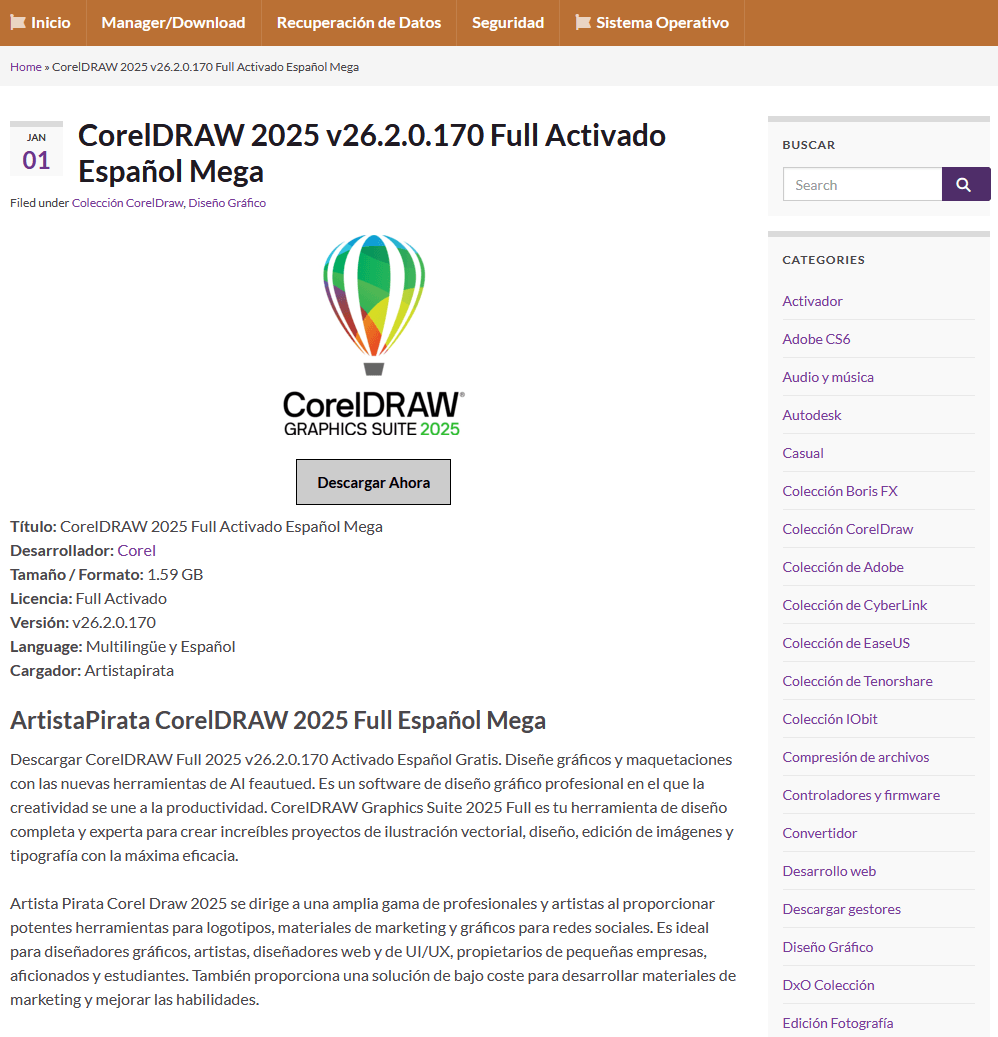
In addition to gaming sites, we found that attackers created dozens of different web resources to distribute RenEngine under the guise of pirated software. On one such site, for example, users can supposedly download an activated version of the CorelDRAW graphics editor.
Distribution of RenEngine under the guise of the CorelDRAW pirated version
When the user clicks the Descargar Ahora (“Download Now”) button, they are redirected several times to other malicious websites, after which an infected archive is downloaded to their device.
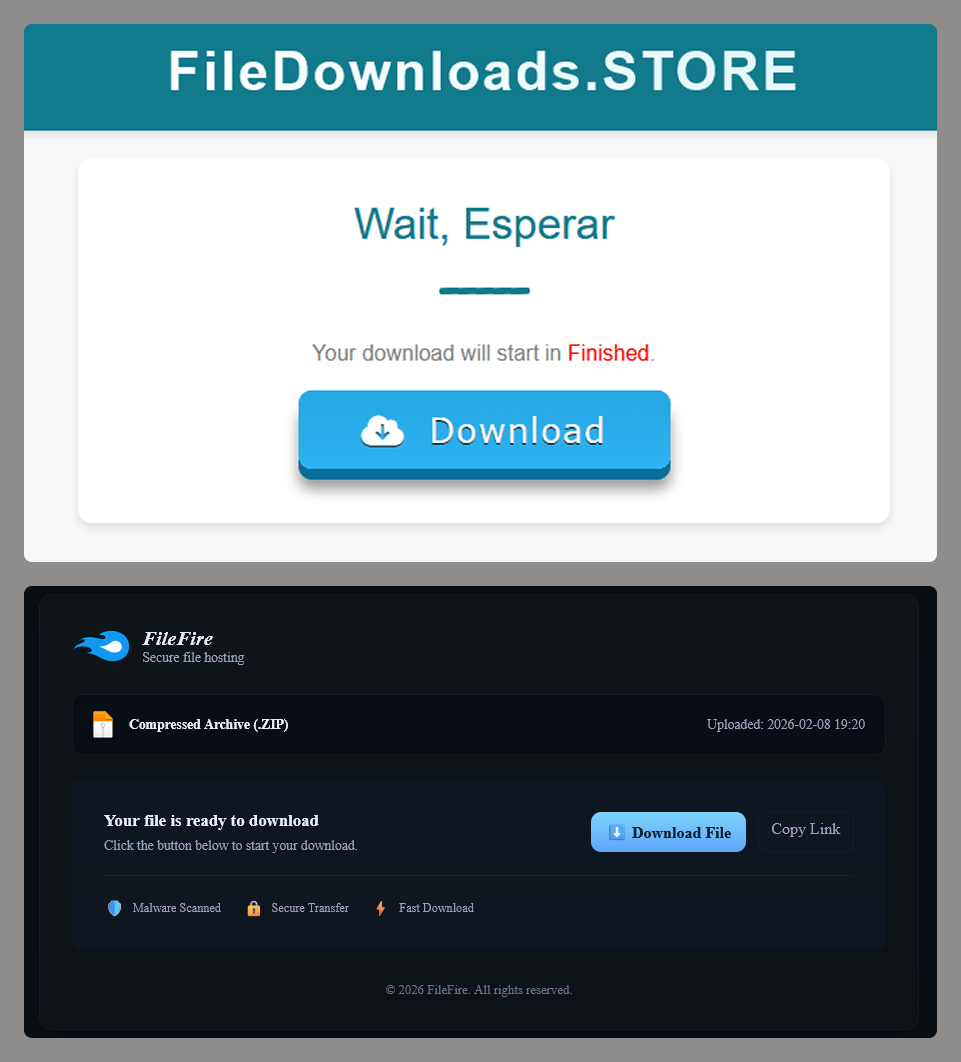
File storage imitations
Distribution
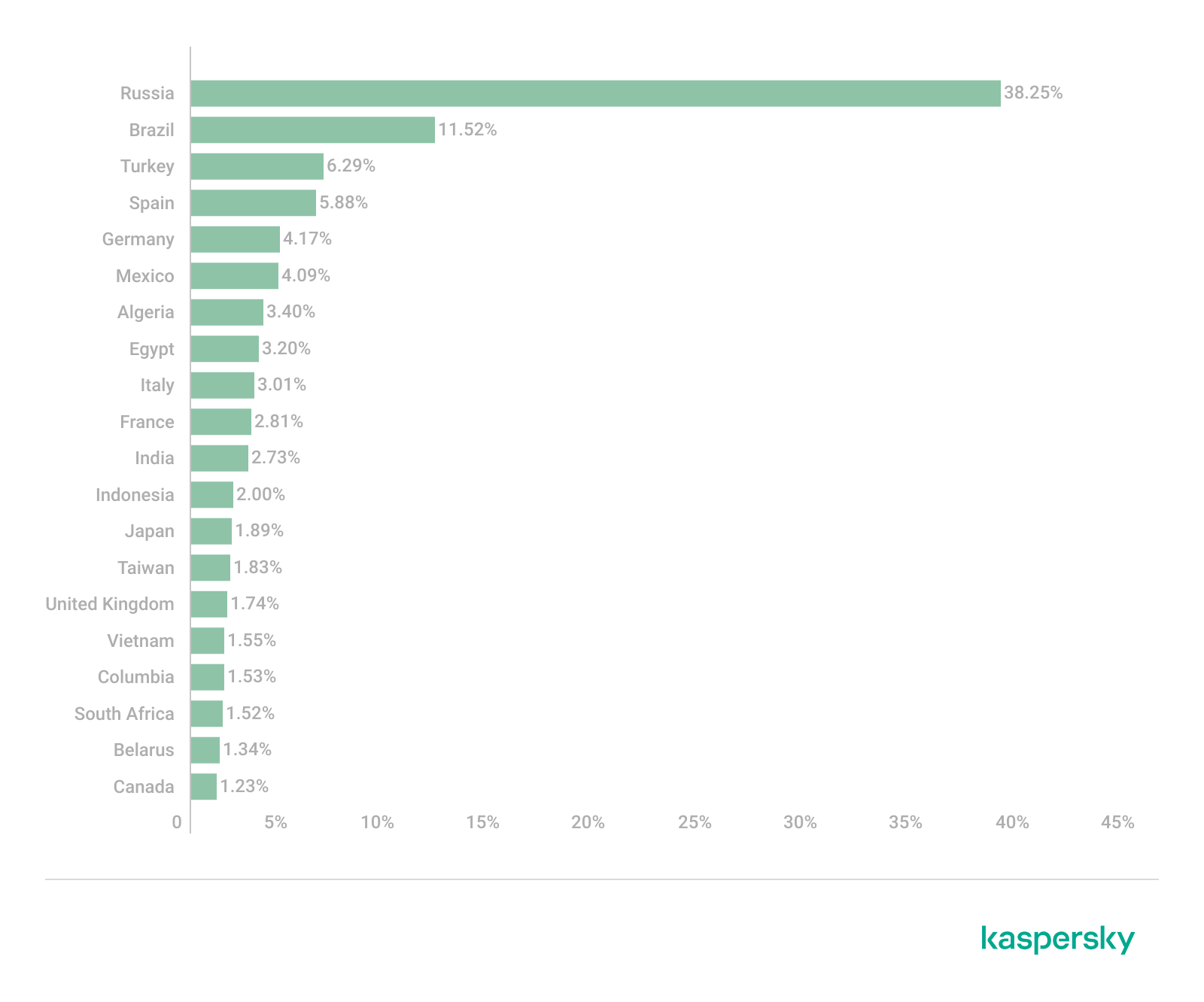
According to our data, since March 2025, RenEngine has affected users in the following countries:
Distribution of incidents involving the RenEngine loader by country (TOP 20), February 2026 (download)
The distribution pattern of this loader suggests that the attacks are not targeted. At the time of publication, we have recorded the highest number of incidents in Russia, Brazil, Türkiye, Spain, and Germany.
Recommendations for protection
The format of game archives is generally not standardized and is unique for each game. This means that there is no universal algorithm for unpacking and checking the contents of game archives. If the game engine does not check the integrity and authenticity of executable resources and scripts, such an archive can become a repository for malware if modified by attackers. Despite this, Kaspersky Premium protects against such threats with its Behavior Detection component.
The distribution of malware under the guise of pirated software and hacked games is not a new tactic. It is relatively easy to avoid infection by the malware described in this article: simply install games and programs from trusted sites. In addition, it is important for gamers to remember the need to install specialized security solutions. This ongoing campaign employs the Lumma and ACR stylers, and Vidar was also found — none of these are new threats, but rather long-known malware. This means that modern antivirus technologies can detect even modified versions of the above-mentioned stealers and their alternatives, preventing further infection.