Eigenaren van een Arm-pc kunnen voortaan lokaal gamen via de Xbox-app voor Windows. Volgens Microsoft wordt meer dan 85 procent van de Game Pass-titels ondersteund. Voorheen was het alleen mogelijk om Xbox-games via de cloud te streamen op Arm-pc's.
Er komt een nieuw deel in de narratieve gamereeks Life is Strange, waarin Chloe Price terugkeert. Zij was een van de hoofdpersonages uit het eerste deel van de game. Life is Strange: Reunion moet 'de finale van de saga van Max en Chloe' worden. De game komt al in maart uit.
Jagex toont in een roadmap voor 2026 de plannen voor RuneScape. Op het moment van schrijven is de belangrijkste vorm van microtransacties al uit de rpg verwijderd. De ontwikkelaar wil die trend doorzetten. Daarnaast komen er vernieuwingen van de gevechtssysteem en visuele presentatie in de game.
Nexus Mods stopt met de ontwikkeling van de modmanager Nexus Mods App voor Linux en gaat alleen verder met de Vortex-applicatie voor Windows. De ontwikkelaars van de modmanager willen Vortex uiteindelijk Linux-ondersteuning geven, maar zeggen niet wanneer precies.
Bungie heeft de definitieve releasedatum van Marathon bekendgemaakt: 5 maart 2026. De game werd halverwege 2025 voor onbepaalde tijd uitgesteld. Onlangs liet de Halo-maker al weten dat het spel ergens in maart 2026 zou uitkomen, maar nog niet precies wanneer.
Ubisoft brengt op 21 januari een 60fps-update uit voor de PlayStation 5- en Xbox Series-versies van Far Cry 3. Blood Dragon en Primal krijgen de update ook, maar het is niet duidelijk of dat ook op 21 januari gebeurt. De games draaien nu nog op 30fps.
Modmaker Luke Ross heeft zijn VR-mod voor Cyberpunk 2077 offline gehaald, nadat uitgever CD Projekt dreigde met juridische stappen. De mod was beschikbaar via een Patreon van 9 euro per maand. Modmakers mogen van CD Projekt mods niet achter een paywall stoppen.
Gameplatform Steam heeft de regels aangepast rond het aangeven of games met AI gemaakt zijn.
Ontwikkelaars hoeven alleen te zeggen dat een game AI bevat als het gaat om elementen die de speler ziet. Dat was tot voor kort niet.
Amazon Games haalt de servers van zijn mmorpg New World op 31 januari 2027 offline. De game is per direct niet meer online verkrijgbaar. Onlangs werd al bekend dat het spel geen nieuwe content meer krijgt.
Firaxis brengt op 5 februari een iOS-versie van Civilization VII uit, waarmee de game voor het eerst op smartphones en tablets speelbaar is. De iOS-versie is vooralsnog alleen via het Apple Arcade-abonnement te spelen en kent beperkingen ten opzichte van de andere versies.
Meta heeft drie VR-ontwikkelstudio's gesloten als onderdeel van de ontslagronde bij Reality Labs, dat werkt aan de ontwikkeling van metaverseproducten. De studio's Armature, Sanzaru en Twisted Pixel hebben allemaal de deuren gesloten.
Epic Games zette op een oneerlijke manier kinderen aan om aankopen te doen in Fortnite. Daarmee heeft het gamebedrijf de wet overtreden, zegt de rechtbank Rotterdam. Twee boetes van in totaal 1.125.000 euro van de Autoriteit Consument & Markt blijven hiermee overeind.
De Minecraftachtige game Hytale is uit in early access. Het spel werd in 2018 aangekondigd en was toen al enkele jaren in ontwikkeling. Het spel is inclusief btw te koop vanaf omgerekend 20,77 euro.
ARC Raiders is inmiddels 12,4 miljoen keer verkocht, meldt uitgever Nexon. De game kwam eind oktober 2025 uit. Het spel heeft daarnaast in januari een piek van 960.000 gelijktijdige spelers bereikt. Spelers krijgen vanwege de mijlpalen een gouden pikhouweel.
De studio van Fable-bedenker Peter Molyneux, 22cans, brengt de nieuwste game Masters of Albion op 22 april uit. De game komt alleen uit op Steam, zo laat de studio weten. Er is ook een releasetrailer.
Ontwikkelaar Bushiroad kondigt een officieel competitief Palworld-kaartspel aan, waarin twee spelers het tegen elkaar opnemen. Het spel komt op 30 juli 2026 uit. Het is niet bekend wat de game gaat kosten. Voor zover bekend gaat het om een videogame, geen fysieke kaarten.
De sidescrolling-co-opgame Towerborne wordt toch geen free-to-playspel. Dat maken ontwikkelaar Stoic en uitgever Xbox bekend. In plaats daarvan gaat de game 24,99 dollar kosten wanneer deze op 26 februari verschijnt.
Xbox-game Avowed komt begin dit jaar naar de PlayStation 5. Dat bevestigt ontwikkelaar Obsidian Entertainment. De game krijgt binnenkort ook een grote update op alle platforms, die onder meer een New Game+-modus toevoegt.
De Nintendo-game Mario Tennis Fever gaat bij release voor de Switch 2 volgende maand fysiek 80 euro kosten en digitaal 70 euro. Ook heeft de fabrikant een uitgebreide video over de game online gezet, waarin de diverse gamemodi te zien zijn.
In November 2025, Kaspersky experts uncovered a new stealer named Stealka, which targets Windows users’ data. Attackers are using Stealka to hijack accounts, steal cryptocurrency, and install a crypto miner on their victims’ devices. Most frequently, this infostealer disguises itself as game cracks, cheats and mods.
Here’s how the attackers are spreading the stealer, and how you can protect yourself.
How Stealka spreads
A stealer is a type of malware that collects confidential information stored on the victim’s device and sends it to the attackers’ server. Stealka is primarily distributed via popular platforms like GitHub, SourceForge, Softpedia, sites.google.com, and others, disguised as cracks for popular software, or cheats and mods for games. For the malware to be activated, the user must run the file manually.
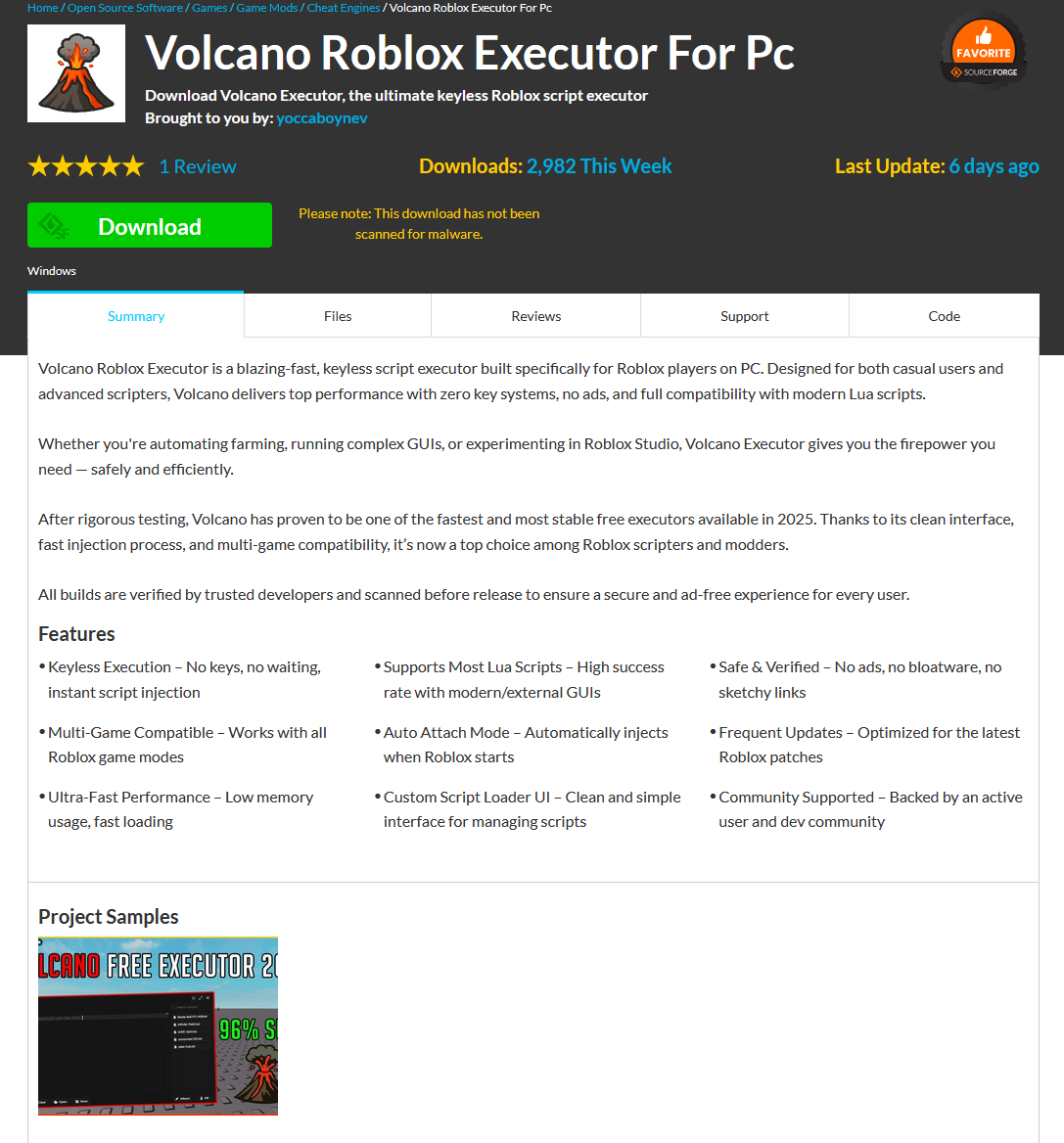
Here’s an example: a malicious Roblox mod published on SourceForge.
Attackers exploited SourceForge, a legitimate website, to upload a mod containing Stealka
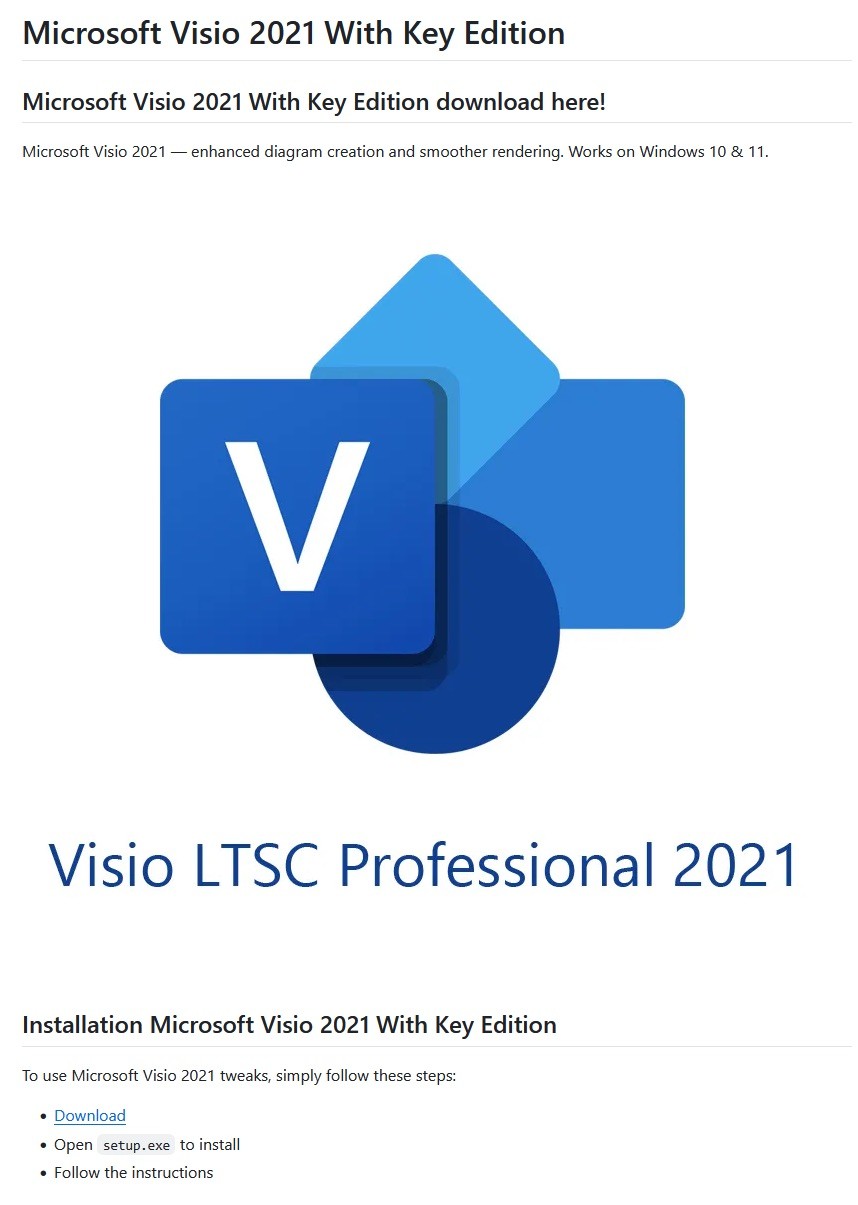
And here’s one on GitHub posing as a crack for Microsoft Visio.
A pirated version of Microsoft Visio containing the stealer, hosted on GitHub
Sometimes, however, attackers go a step further (and possibly use AI tools) to create entire fake websites that look quite professional. Without the help of a robust antivirus, the average user is unlikely to realize anything is amiss.
A fake website pretending to offer Roblox scripts
Admittedly, the cracks and software advertised on these fake sites can sometimes look a bit off. For example, here the attackers are offering a download for Half-Life 3, while at the same time claiming it’s not actually a game but some kind of “professional software solution designed for Windows”.
Malware disguised as Half-Life 3, which is also somehow “a professional software solution designed for Windows”. A lot of professionals clearly spent their best years on this software…
The truth is that both the page title and the filename are just bait. The attackers simply use popular search terms to lure users into downloading the malware. The actual file content has nothing to do with what’s advertised — inside, it’s always the same infostealer.
The site also claimed that all hosted files were scanned for viruses. When the user decides to download, say, a pirated game, the site displays a banner saying the file is being scanned by various antivirus engines. Of course, no such scanning actually takes place; the attackers are merely trying to create an illusion of trustworthiness.
The pirated file pretends to be scanned by a dozen antivirus tools
What makes Stealka dangerous
Stealka has a fairly extensive arsenal of capabilities, but its prime target is data from browsers built on the Chromium and Gecko engines. This puts over a hundred different browsers at risk, including popular ones like Chrome, Firefox, Opera, Yandex Browser, Edge, Brave, as well as many, many others.
Browsers store a huge amount of sensitive information, which attackers use to hijack accounts and continue their attacks. The main targets are autofill data, such as sign-in credentials, addresses, and payment card details. We’ve warned repeatedly that saving passwords in your browser is risky — attackers can extract them in seconds. Cookies and session tokens are perhaps even more valuable to hackers, as they can allow criminals to bypass two-factor authentication and hijack accounts without entering the password.
The story doesn’t end with the account hack. Attackers use these compromised accounts to spread the malware further. For example, we discovered the stealer in a GTAV mod posted on a dedicated site by an account that had previously been compromised.
Beyond stealing browser data, Stealka also targets the settings and databases of 115browser extensions for crypto wallets, password managers, and 2FA services. Here are some of the most popular extensions now at risk:
Finally, the stealer also downloads local settings, account data, and service files from a wide variety of applications:
Crypto wallets. Wallet configurations may contain encrypted private keys, seed-phrase data, wallet file paths, and encryption parameters. That’s enough to at least make an attempt at stealing your cryptocurrency. At risk are 80 wallet applications, including Binance, Bitcoin, BitcoinABC, Dogecoin, Ethereum, Exodus, Mincoin, MyCrypto, MyMonero, Monero, Nexus, Novacoin, Solar, and many others.
Messaging apps. Messaging app service files store account data, device identifiers, authentication tokens, and the encryption parameters for your conversations. In theory, a malicious actor could gain access to your account and read your chats. At risk are Discord, Telegram, Unigram, Pidgin, Tox, and others.
Password managers. Even if the passwords themselves are encrypted, the configuration files often contain information that makes cracking the vault significantly easier: encryption parameters, synchronization tokens, and details about the vault version and structure. At risk are 1Password, Authy, Bitwarden, KeePass, LastPass, and NordPass.
Email clients. These are where your account credentials, mail server connection settings, authentication tokens, and local copies of your emails can be found. With access to your email, an attacker will almost certainly attempt to reset passwords for your other services. At risk are Gmail Notifier Pro, Claws, Mailbird, Outlook, Postbox, The Bat!, Thunderbird, and TrulyMail.
Note-taking apps. Instead of shopping lists or late-night poetry, some users store information in their notes that has no business being there, like seed phrases or passwords. At risk are NoteFly, Notezilla, SimpleStickyNotes, and Microsoft StickyNotes.
Gaming services and clients. The local files of gaming platforms and launchers store account data, linked service information, and authentication tokens. At risk are Steam, Roblox, Intent Launcher, Lunar Client, TLauncher, Feather Client, Meteor Client, Impact Client, Badlion Client, and WinAuth for battle.net.
VPN clients. By gaining access to configuration files, attackers can hijack the victim’s VPN account to mask their own malicious activities. At risk are AzireVPN, OpenVPN, ProtonVPN, Surfshark, and WindscribeVPN.
That’s an extensive list — and we haven’t even named all of them! In addition to local files, this infostealer also harvests general system data: a list of installed programs, the OS version and language, username, computer hardware information, and miscellaneous settings. And as if that weren’t enough, the malware also takes screenshots.
How to protect yourself from Stealka and other infostealers
Secure your device with reliable antivirus software. Even downloading files from legitimate websites is no guarantee of safety — attackers leverage trusted platforms to distribute stealers all the time. Kaspersky Premium detects malware on your computer in time and alerts you to the threat.
Don’t store sensitive information in browsers. It’s handy — no one can argue with that. But unfortunately browsers aren’t the most secure environment for your data. Sign-in credentials, bank card details, secret notes, and other confidential information are better kept in a securely encrypted format in Kaspersky Password Manager, which is immune to the exploits used by Stealka.
Enable two-factor authentication or use backup codes wherever possible.Two-factor authentication (2FA) makes life much harder for attackers, while backup codes help you regain access to your critical accounts if compromised. Just be sure not to store backup codes in text documents, notes, or your browser. For all your backup codes and 2FA tokens, use a reliable password manager.
Curious what other stealers are out there, and what they’re capable of? Read more in our other posts:

 Login
Login