Normal view

Keep Pushing: We Get 10 More Days to Reform Section 702

17 April 2026 at 21:26

In a dramatic middle-of-the-night stand off, a bipartisan set of lawmakers pushing for true reform and privacy protections for Americans bought us some more time to fight! They are holding out for, at a minimum, the requirement of an actual probable cause warrant for FBI access to information collected under the mass spying program known as 702.


A reauthorization with virtually no changes was defeated because a core group of lawmakers held strong; they know that people are hungry for real reform that protects the privacy of our communications. We now have a 10-day extension to continue to push Congress to pass a real reform bill. 


The Lawmakers rallied late Thursday night to reject a proposed amendment that made gestures at privacy protections, but it would not have improved on the status quo and would have reauthorized Section 702 for five more years to boot. 

Take action

TELL congress: 702 Needs Reform

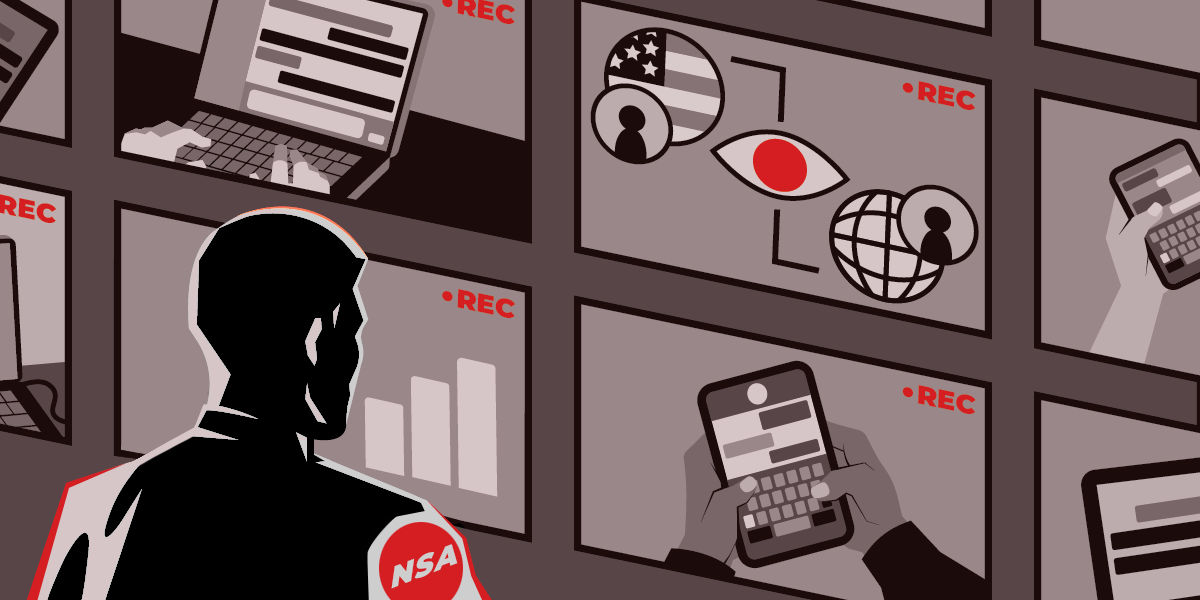
Section 702 is rife with problems, loopholes, and compliance issues that need fixing. The National Security Agency collects full conversations being conducted by and with targets overseas – including by and with Americans in the U.S. –  and stores them in massive databases. The NSA then allows other agencies, including the Federal Bureau of Investigation, to access untold amounts of that information. In turn, the FBI takes a “finders keepers” approach to this data: they reason that since it's already collected under one law, it’s OK for them to see it. 

Under current practice, the FBI can query and even read the U.S. side of that communication without a warrant. What’s more, victims of this surveillance  won’t even know and have very few ways of finding out that their communications have been surveilled. EFF and other civil liberties advocates have been trying for years to know when data collected through Section 702 is used as evidence against them.  

Reforming Section 702 is even more urgent because of revelations hinted at by Senator Ron Wyden’s public statements concerning a “secret interpretation” of the law that enables surveillance of Americans, and a public  “Dear Colleague” letter he sent to fellow Senators about FBI abuse of Section 702. 

That’s right—the way the government conducts mass surveillance is so secret and unaccountable even the way they interpret the law is classified. 

 “In many cases these will be law-abiding Americans having perfectly legitimate, often sensitive, conversations,” Wyden wrote. “These Americans could include journalists, foreign aid workers, people with family members overseas - even women trying to get abortion medication from an overseas provider. Congress has an obligation to protect our country from foreign threats and protect the rights of these and other Americans.” 

We have 10 days to make it clear to Congress: 702 needs real reforms. Not a blanket  reauthorization. Not lip service to change. Real reform.

Take action

TELL congress: 702 Needs Reform

We Need You: Our Privacy Cannot Afford a Clean Extension of Section 702

10 April 2026 at 15:50

We go through this every couple of years: Section 702 of the Foreign Intelligence Surveillance Act (FISA), which of Americans’ communications with foreign persons overseas is up for renewal. As always, Congress can reauthorize it with or without changes, or just let it expire. We know, we know, it’s a pain to have to do this every few years–but it gives us a chance to lift the hood of this behemoth tool of government surveillance and tinker with how it works. That’s why it’s so important right now to urge your Member of Congress not to pass any bill that reauthorizes Section 702 without substantial reforms.   

Take action

TELL congress: 702 Needs Reform

Section 702 is rife with problems, loopholes, and compliance issues that need fixing. The National Security Agency (NSA) collects full conversations being conducted by surveillance targets overseas and stores them, allowing the Federal Bureau of Investigation (FBI) to operate in a “finders keepers” mode of surveillance—they reason that it's already collected, so why can’t they look at those conversations? There, the FBI can query and even read the U.S. side of that communication without a warrant. The problem is, people who have been spied on by this program won’t even know and have very few ways of finding out. EFF and other civil liberties advocates have been trying for years to know when data collected through Section 702 is used as evidence against them.  

There’s simply no excuse for any Member of Congress to support a "clean" reauthorization of Section 702. Anyone who votes to do so does not take your privacy seriously. Full stop.  

The intelligence community and its defenders in Congress, as always, seem more interested in defending their rights to read your private communications than in protecting your right to privacy. It’s not really a compromise between safety and privacy if it's always your privacy that gets sacrificed. Now, we’re drawing a line in the sand: Congress cannot pass a clean extension.  

Use this EFF tool to write to your Member of Congress and tell them not to pass a clean reauthorization of Section 702.  

Take action

TELL congress: 702 Needs Reform

Traffic Violation! License Plate Reader Mission Creep Is Already Here

26 March 2026 at 21:19

A new report from 404 Media sheds light on how automated license plate readers (ALPRs) could be used beyond the press releases and glossy marketing materials put out by law enforcement agencies and ALPR vendors. In December 2025, Georgia State Patrol ticketed a motorcyclist for holding a cell phone in his hand. According to the report, the ticket read, “CAPTURED ON FLOCK CAMERA 31 MM 1 HOLDING PHONE IN LEFT HAND.” 

If you’re thinking that this sounds outside of the scope of what ALPRs are supposed to do, you’re right. In November 2025, Flock Safety, the maker of the ALPR in question, wrote a post about how they definitely are in compliance with the Fourth Amendment to the U.S. Constitution. In this post, which highlighted what ALPRs are and what they are not, the company writes: “What it is not: Flock ALPR does not perform facial recognition, does not store biometrics, cannot be queried to find people, and is not used to enforce traffic violations.” (emphasis added)

Well, apparently their customers never got the memo and apparently the technology’s design does not explicitly prevent behavior the company officially and publicly disavows. 

Or at least this used to be the case: Flock now lists six different companies providing traffic enforcement technology on its “Partner program”  site. Public records also show that speed enforcement cameras have been connected to Flock's ALPR network. 

EFF and other privacy advocates have long warned about mission creep when it comes to surveillance infrastructure. Police often swear that a piece of technology will only be used in a particular set of circumstances or to fight only the most serious crimes only to utilize it to fight petty crimes or watch protests.  

We continue to urge cities, states, and even companies to end their relationship with Flock Safety because of the incompatibility between the mass surveillance it enables and its inability to protect civil liberties—including preventing mission creep.

❌