❌

Normal view

Received β€” 18 June 2026 ⏭ Imperva Cyber Security Blog

Imperva Customers Protected Against CVE-2026-45247 in Mirasvit Full Page Cache Warmer for Magento

TL;DR: CVE-2026-45247 is a critical unauthenticated remote code execution (RCE) vulnerability affecting Mirasvit Full Page Cache Warmer for Magento 2. The flaw stems from unsafe PHP deserialization of attacker-controlled data supplied through the CacheWarmer cookie. Successful exploitation can allow attackers to execute arbitrary commands on vulnerable Magento and Adobe Commerce servers without authentication. Mirasvit released a fix in version 1.11.12 and organizations should update immediately.

Imperva customers are protected against exploitation attempts associated with CVE-2026-45247. Since disclosure, Imperva has observed active exploitation attempts containing serialized PHP object payloads designed to achieve remote code execution through PHP Object Injection gadget chains.

About CVE-2026-45247

On May 26, 2026, researchers at Sansec disclosed a critical vulnerability in Mirasvit Full Page Cache Warmer, a Magento and Adobe Commerce extension used to pre-populate and manage storefront cache content. The vulnerability was assigned CVE-2026-45247 and carries a CVSS score of 9.8.

According to the advisory, the extension processes a client-supplied CacheWarmer cookie and passes attacker-controlled data directly into PHP’s native unserialize() function without restricting which classes may be instantiated. Because the cookie is accepted on ordinary storefront requests, exploitation does not require authentication, administrative access, or any special configuration.

Sansec researchers found that attackers can leverage existing gadget chains present within Magento and its dependencies to escalate the vulnerability from PHP Object Injection (CWE-502) to full remote code execution. A single crafted cookie can ultimately allow arbitrary commands to be executed on the target server.

The vulnerability affects Mirasvit Full Page Cache Warmer versions prior to 1.11.12. Mirasvit released a patched version on May 25, 2026 and recommends all customers update immediately.

What We’ve Seen

Since disclosure, Imperva has observed active attack activity attempting to exploit CVE-2026-45247 through serialized PHP object payloads delivered via HTTP requests.

Observed payloads contain base64-encoded serialized objects designed to trigger PHP Object Deserialization and achieve remote code execution through commonly abused gadget chains. Several requests leverage classes from the widely used Monolog logging library, including:

  • Monolog\Handler\SyslogUdpHandler
  • Monolog\Handler\BufferHandler
  • Monolog\Handler\FingersCrossedHandler
  • Monolog\Handler\GroupHandler

The payloads attempt to invoke functions such as system() and current() to execute arbitrary commands on the underlying server. In several observed cases, attackers used test commands designed to validate successful code execution, including:

echo PWNED_CVE2026_$(date +%s)

and

sleep 5

These payloads are consistent with early-stage exploitation activity where attackers first verify vulnerability presence before deploying additional tooling, persistence mechanisms, webshells, or malware.

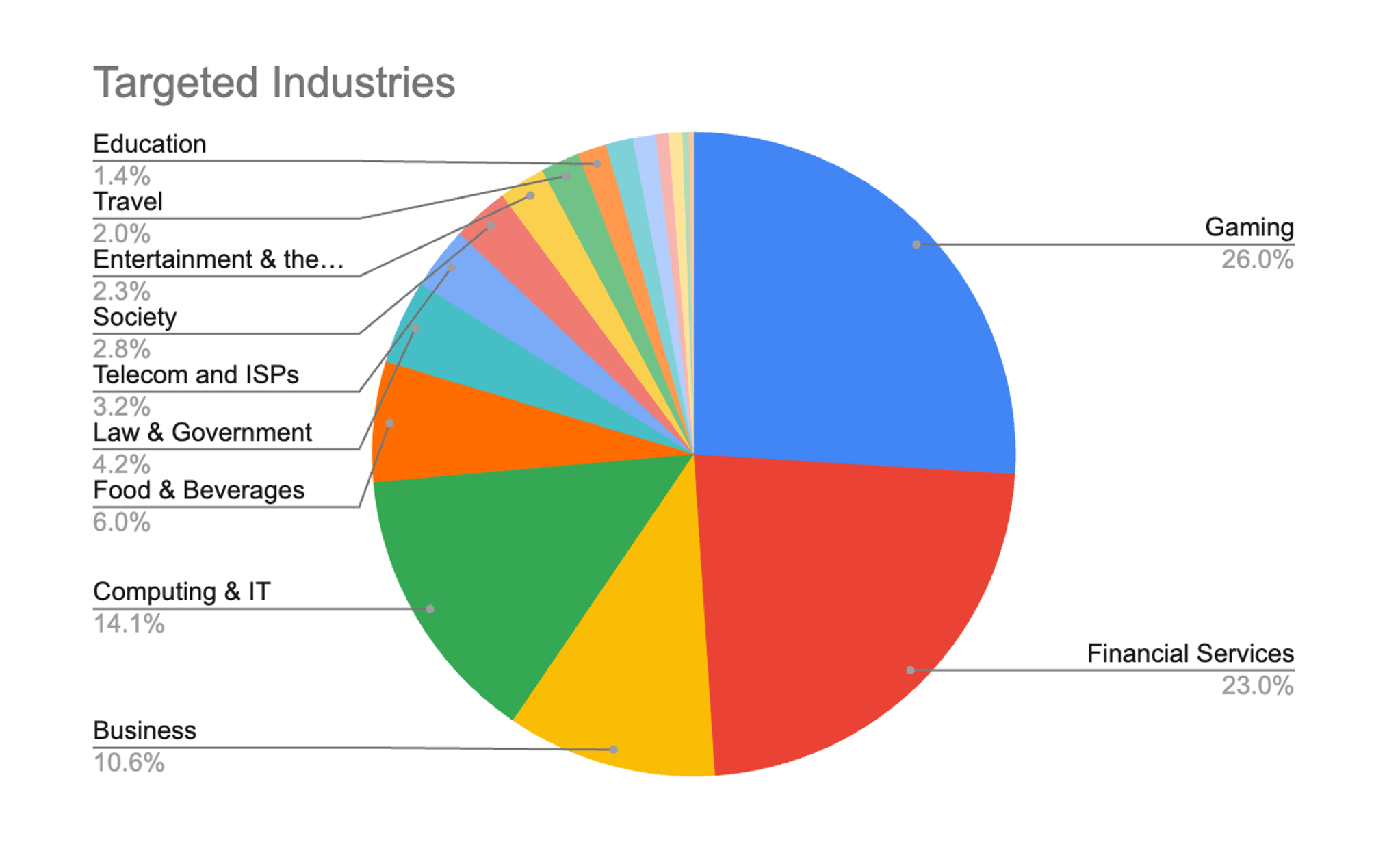
So far, observed attacks have primarily targeted Gaming and Business sites. The most targeted countries have been the United States, United Kingdom, France, and Australia.

The observed payloads suggest attackers are actively attempting to identify vulnerable Magento environments and validate remote command execution capabilities shortly after public disclosure.

Mitigation and Protection

Organizations using Mirasvit Full Page Cache Warmer should immediately upgrade to version 1.11.12 or later. Researchers noted that some organizations may be running the vulnerable component unknowingly because Cache Warmer can be bundled within other Mirasvit packages. Administrators should review installed Mirasvit modules and verify deployed versions.

Organizations should also review web server and application logs for suspicious CacheWarmer cookie values, particularly base64-encoded serialized object strings beginning with common PHP serialization markers. Because successful exploitation can lead to arbitrary code execution, potentially affected environments should be assessed for indicators of compromise, unauthorized file modifications, webshell deployment, and unexpected command execution activity.

Imperva customers are protected against exploitation attempts associated with CVE-2026-45247. Imperva Cloud WAF and WAF Gateway inspect malicious HTTP requests targeting vulnerable Magento components and can identify and block serialized object payloads, deserialization attempts, and remote code execution patterns before they reach vulnerable applications.

Bottom Line

CVE-2026-45247 represents a highly critical threat to Magento and Adobe Commerce environments due to its unauthenticated nature and potential for full remote code execution. The vulnerability requires only a crafted cookie delivered through a normal storefront request, significantly lowering the barrier to exploitation. Organizations running Mirasvit extensions should verify whether Cache Warmer is installed, update immediately to version 1.11.12 or later, and review logs for signs of exploitation activity.

Imperva customers remain protected against exploitation attempts associated with this vulnerability. Imperva Cloud WAF and WAF Gateway identify and block malicious deserialization payloads, PHP Object Injection attempts, and remote code execution techniques commonly used to exploit this vulnerability. By inspecting HTTP requests before they reach backend applications, Imperva helps prevent exploitation attempts from reaching vulnerable systems while organizations work to identify affected installations and apply vendor patches.

The post Imperva Customers Protected Against CVE-2026-45247 in Mirasvit Full Page Cache Warmer for Magento appeared first on Blog.

Imperva Customers Protected Against CVE-2026-9082 in Drupal Core

TL;DR: CVE-2026-9082 is a highly critical SQL injection vulnerability in Drupal core that can be exploited by unauthenticated users against Drupal sites using PostgreSQL. The vulnerability affects Drupal’s database abstraction API and can allow specially crafted requests to trigger arbitrary SQL injection, potentially leading to information disclosure, privilege escalation, remote code execution, or additional attacks. Drupal released patches across supported versions, and affected organizations should upgrade immediately. Imperva customers are protected against exploitation attempts associated with CVE-2026-9082.

About CVE-2026-9082

On May 20, 2026, the Drupal Security Team disclosed SA-CORE-2026-004, tracked as CVE-2026-9082. The vulnerability affects Drupal core versions from 8.9.0 before 10.4.10, 10.5.0 before 10.5.10, 10.6.0 before 10.6.9, 11.0.0 before 11.1.10, 11.2.0 before 11.2.12, and 11.3.0 before 11.3.10.

The issue exists in Drupal’s database abstraction API, which is designed to sanitize database queries and prevent SQL injection. According to Drupal, specially crafted requests can result in arbitrary SQL injection on sites using PostgreSQL databases. The vulnerability can be exploited by unauthenticated users and may lead to information disclosure and, in some cases, privilege escalation, remote code execution, or other follow-on attacks.

The vulnerability is specific to PostgreSQL-backed Drupal deployments. The flaw stems from attacker-controlled array keys flowing into SQL placeholder names in Drupal’s PostgreSQL entity query handling. Researchers identified two unauthenticated paths to the vulnerable code: the JSON login endpoint and JSON:API filter syntax.

What We’ve Seen

Since CVE-2026-9082 was released, Imperva has observed over 15,000 attack attempts targeting almost 6,000 individual sites across 65 countries. Attacks are primarily targeting Gaming and Financial Services sites so far, at collectively almost 50% of all attacks.

industries

countries

Most of the observed activity so far appears to be probing. The payloads in the attached Imperva data largely focus on JSON:API routes, particularly /jsonapi/node/article, and use crafted filter parameters designed to test whether a target is vulnerable. Several payloads include Nuclei-style markers such as nuclei_sa_core_2026_004, nuclei-probe, and nuclei-probe-miss, indicating automated scanning and template-based validation activity.

The most common payload patterns include:

  • JSON:API filter probes using operator=IN against the title field
  • Crafted array keys such as 0), 0)) OR 1=1 –, and _) AND 1=1–
  • Time-based SQL injection checks using PostgreSQL functions such as pg_sleep
  • UNION-style and syntax-break probes intended to validate error-based SQL injection behavior

This pattern suggests attackers and scanners are primarily attempting to identify exposed Drupal sites running vulnerable PostgreSQL-backed configurations. While the activity is currently dominated by reconnaissance and validation, the nature of the vulnerability means successful exploitation could quickly move from probing to data extraction or privilege escalation.

Mitigation and Protection

Organizations running Drupal should upgrade immediately to one of the patched versions: 10.4.10, 10.5.10, 10.6.9, 11.1.10, 11.2.12, or 11.3.10. Searchlight Cyber also noted that the same Drupal release includes Symfony and Twig security updates, making patching important even for environments not using PostgreSQL.

Imperva customers with any WAF deployment are protected against exploitation attempts associated with CVE-2026-9082.Β 

Bottom Line

CVE-2026-9082 is a high-priority Drupal core vulnerability because it is remotely reachable, exploitable by unauthenticated users, and affects a core query-handling mechanism. Although the vulnerability is limited to PostgreSQL-backed Drupal sites, the widespread use of Drupal and the speed of observed scanning make this an urgent patching priority.

Imperva has already observed broad probing across thousands of sites and dozens of countries. Imperva customers are protected, but organizations should still patch immediately, review logs for suspicious JSON:API and /user/login?_format=json activity, and confirm whether any Drupal deployments use PostgreSQL.

The post Imperva Customers Protected Against CVE-2026-9082 in Drupal Core appeared first on Blog.

Received β€” 19 May 2026 ⏭ Imperva Cyber Security Blog

CVE-2026-42945: Imperva Customers Protected Against Critical NGINX Rewrite Module Vulnerability

TL;DR: Researchers recently disclosed CVE-2026-42945, a critical heap-based buffer overflow vulnerability affecting both NGINX Open Source and NGINX Plus. The flaw exists within the ngx_http_rewrite_module component and can allow unauthenticated attackers to trigger denial-of-service conditions and potentially achieve remote code execution (RCE) using specially crafted HTTP requests.

Imperva Threat Research Group analyzed the vulnerability and associated exploitation techniques. Imperva customers using Cloud WAF or On-Prem WAF are protected against attack attempts targeting this issue.

The Vulnerability

CVE-2026-42945 is a heap-based buffer overflow vulnerability in the ngx_http_rewrite_module component of NGINX Open Source and NGINX Plus. The issue, nicknamed NGINX Rift, occurs when specific rewrite-rule patterns are processed using unnamed Perl-Compatible Regular Expression (PCRE) capture groups such as $1 or $2, combined with replacement strings containing a question mark (?) and followed by additional rewrite, if, or set directives.

Under vulnerable conditions, specially crafted HTTP requests can trigger heap corruption within the NGINX worker process. Public research indicates this can reliably cause worker crashes and denial-of-service conditions, while some researchers also demonstrated potential paths toward remote code execution under favorable memory-layout conditions.

The vulnerability was discovered through autonomous analysis of the NGINX codebase and reportedly remained dormant for nearly two decades. Researchers described the issue as arising from a state mismatch in rewrite processing logic that ultimately results in unsafe memory handling during URI rewriting operations.

In practical terms, an attacker sends a crafted HTTP request designed to reach a vulnerable rewrite rule. During processing, attacker-controlled URI data can overflow allocated heap memory inside the worker process. Depending on the target environment and mitigations such as ASLR, exploitation may result in:

  • Worker process crashes
  • Repeated restart loops
  • Application-layer denial of service
  • Potential remote code execution within the NGINX worker context

The flaw affects:

  • NGINX Open Source versions 0.6.27 through 1.30.0
  • NGINX Plus R32 through R36

Patched releases include:

  • NGINX Open Source 1.30.1 and 1.31.0+
  • NGINX Plus R32 P6 and R36 P4

Because rewrite directives are extremely common in real-world NGINX deployments, particularly in reverse proxies, API gateways, load balancers, authentication flows, and URL routing logic, exposure may extend across a substantial portion of internet-facing infrastructure. NGINX was the most widely deployed web server on the internet as of 2025, supporting 32.4% of all websites with known web servers, so the exposure surface is extremely broad across enterprise, cloud, SaaS, and e-commerce environments.

Some of the techniques associated with exploitation include:

  • Crafted HTTP requests targeting vulnerable rewrite rules
  • Abuse of unnamed PCRE capture groups ($1, $2)
  • Heap corruption via malformed URI rewriting operations
  • Application-layer denial of service through worker crashes
  • Potential memory manipulation leading to remote code execution
  • Automated internet-wide scanning for exposed NGINX deployments

Unlike traditional volumetric DDoS attacks, exploitation of CVE-2026-42945 targets the application processing layer directly, allowing attackers to disrupt services using relatively small numbers of malicious requests.

Bottom Line

CVE-2026-42945 demonstrates how long-lived vulnerabilities in foundational internet infrastructure can remain undiscovered for years while silently exposing a massive attack surface. By abusing rewrite-processing logic inside ngx_http_rewrite_module, attackers can trigger heap corruption using crafted HTTP requests, leading to denial-of-service conditions and potentially remote code execution.

Because NGINX is deeply embedded within modern web infrastructure, including reverse proxies, API gateways, SaaS applications, and cloud environments, organizations should prioritize patching affected systems immediately and review rewrite-rule configurations for vulnerable patterns involving unnamed PCRE captures.

Imperva Cloud WAF and On-Prem WAF customers are protected against related attack activity.

The post CVE-2026-42945: Imperva Customers Protected Against Critical NGINX Rewrite Module Vulnerability appeared first on Blog.

Received β€” 11 May 2026 ⏭ Imperva Cyber Security Blog

CVE-2026-23870: Imperva Customers Protected Against Critical React Server Components DoS Vulnerability

TL;DR: A newly disclosed denial-of-service vulnerability, CVE-2026-23870, impacts React Server ComponentsΒ and dependent frameworks, including Next.js App Router deployments. The flaw enables unauthenticated attackers to send specially crafted HTTP requests that trigger excessive CPU consumption during request deserialization, leading to potential service degradation or total unavailability. Imperva Threat Research Group has analyzed the vulnerability and associated attack patterns. Imperva Cloud WAF and On-Prem WAF customers are already protected against exploitation attempts targeting this issue.

The Vulnerability

Researchers recently disclosed CVE-2026-23870, a high-severity denial-of-service vulnerability affecting React Server Components and downstream frameworks such as Next.js. The issue exists in how vulnerable React Server Component implementations deserialize attacker-controlled request payloads sent to Server Function endpoints.

The vulnerability stems from improper handling of cyclic or recursively referenced data structures during request processing. Specifically, vulnerable deserialization logic within the React Flight protocol can repeatedly consume maliciously crafted models before properly marking them as processed, resulting in excessive resource consumption.

In practical terms, an attacker can send a specially crafted HTTP request to exposed Server Function endpoints in applications using React Server Components. When the payload is processed, the server enters a high-CPU execution state that can persist for extended periods before eventually throwing an error. Because the error is catchable and the attack requires no authentication, attackers can repeatedly issue malicious requests to sustain denial-of-service conditions.

The issue primarily impacts:

  • react-server-dom-webpack
  • react-server-dom-parcel
  • react-server-dom-turbopack

Affected versions include:

  • 0.0 through 19.0.4
  • 1.0 through 19.1.5
  • 2.0 through 19.2.4

Patched releases are available in:

  • 0.5
  • 1.6
  • 2.5

Because React Server Components are heavily used in modern application architectures, particularly high-traffic ecommerce, SaaS, and API-driven environments, exploitation can have significant operational impact. Applications leveraging Next.js App Router deployments are especially exposed due to the widespread use of Server Function endpoints.

Some of the techniques observed or associated with exploitation include:

  • Crafted cyclic model payloads designed to trigger recursive deserialization behavior
  • Repeated requests to Server Function endpoints to sustain CPU exhaustion
  • Abuse of React Flight protocol request parsing logic
  • Application-layer denial-of-service attacks targeting availability rather than data theft
  • Automated scanning of exposed React and Next.js deployments for vulnerable endpoints

Unlike traditional volumetric DDoS attacks, CVE-2026-23870 enables low-bandwidth, application-layer denial of service by forcing disproportionate server-side computation. This makes the attack particularly attractive because relatively small numbers of malicious requests can create significant backend resource exhaustion.

Bottom Line

CVE-2026-23870 highlights the growing security risks associated with modern server-side rendering frameworks and component-driven architectures. By abusing request deserialization logic in React Server Components, attackers can trigger disproportionate backend resource consumption using relatively low-effort HTTP requests.

Since this vulnerability requires no authentication and targets exposed Server Function endpoints directly, exploitation is straightforward in unpatched environments. Organizations using React Server Components, Next.js App Router, or related server-side rendering frameworks should immediately upgrade affected packages and review exposed application endpoints.

Imperva Cloud WAF and On-Prem WAF customers are protected against related attack activity.

The post CVE-2026-23870: Imperva Customers Protected Against Critical React Server Components DoS Vulnerability appeared first on Blog.

Imperva Customers Protected Against CVE-2026-41940 in cPanel & WHM

30 April 2026 at 19:38

What is CVE-2026-41940?

CVE-2026-41940 is a critical authentication bypass vulnerability affecting cPanel & WHM, including DNSOnly, in versions after 11.40. The flaw, discovered by WatchTowr Labs, exists in the login flow and allows unauthenticated remote attackers to gain unauthorized access to the control panel. The vulnerability carries a CVSS 3.1 score of 9.8 and is classified under CWE-306: Missing Authentication for Critical Function.

cPanel & WHM is widely used to manage web hosting environments. WHM provides administrative access to hosting infrastructure, while cPanel gives individual account holders control over their hosted sites. Because this vulnerability affects the authentication layer of a management interface, successful exploitation could give attackers access to high-value administrative functions across hosting environments. The issue affects all currently supported versions of cPanel & WHM, and the flaw is tied to session loading and saving behavior.

cPanel has released patched versions and recommends immediate updates. Administrators should update a fixed version, verify the cPanel build, and restart the cPanel service. For environments that cannot immediately patch, cPanel recommends blocking inbound traffic on ports 2083, 2087, 2095, and 2096 or temporarily stopping affected services.

Imperva customers are protected out-of-the-box against CVE-2026-41940.

Observations from Our Data

Since the release of CVE-2026-41940, Imperva has observed nearly 4,000 attack requests targeting customer environments.

Our data shows:

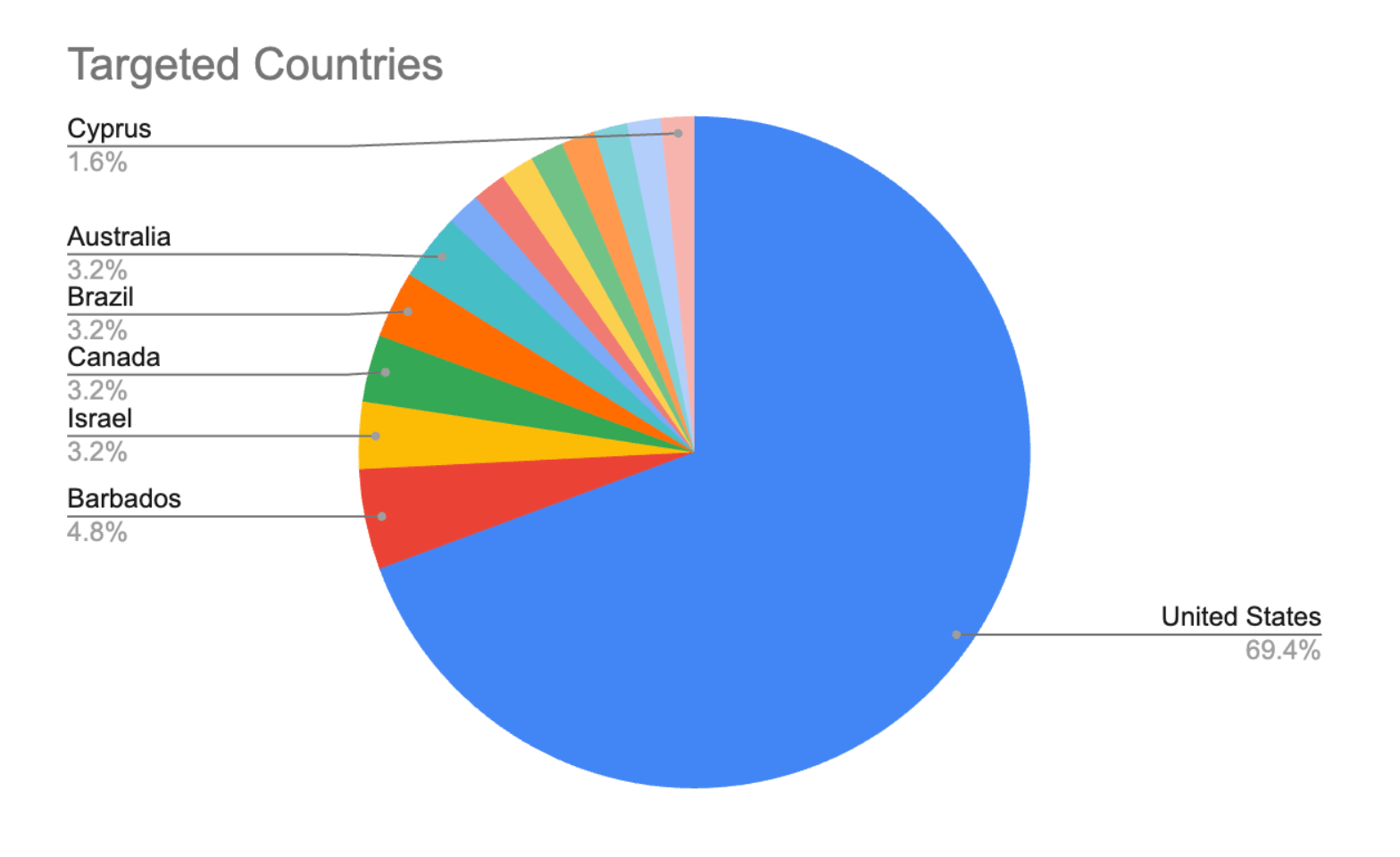
  • Attacks targeting sites across 15 distinct industries and 17 countries, indicating broad scanning and opportunistic exploitation rather than activity concentrated against a single vertical or geography.
  • US-based sites accounted for almost 70% of observed attacks, followed by Barbados and Israel. The heavy concentration against US sites suggests attackers are prioritizing regions with large hosting and web infrastructure footprints, while the presence of smaller geographies indicates automated discovery across exposed internet-facing assets.

Screenshot 2026 04 30 at 10.32.05 AM

  • The most frequently targeted industries were Business, Society, and Education. This distribution reflects the broad deployment of hosting control panels across organizations that maintain public-facing websites, portals, and distributed web infrastructure.

Screenshot 2026 04 30 at 10.32.13 AM 1

While observed volume remains limited compared to mass exploitation campaigns, the spread across industries and countries shows active probing for exposed cPanel and WHM instances. Given the vulnerability’s unauthenticated nature and impact on administrative access, even moderate request volumes warrant urgent attention, and attack volumes will likely grow.

Mitigation and Protection

The definitive remediation for CVE-2026-41940 is to update cPanel & WHM to a patched version immediately. Organizations should also review cPanel’s detection guidance, inspect session files for indicators of compromise, and audit WHM access logs for unauthorized activity. cPanel’s advisory specifically recommends purging affected sessions, forcing password resets for root and WHM users, and checking for persistence mechanisms if indicators of compromise are found.

Imperva customers using Cloud WAF and WAF Gateway are protected against exploitation techniques associated with CVE-2026-41940. Imperva’s web application firewall inspects HTTP traffic for malicious patterns, helping block attempts to abuse authentication workflows and session-handling behavior before they reach vulnerable systems.

For customers with Cloud WAF, protection is automatically applied. Customers with WAF Gateway should refer to the manual mitigation guide sent by Imperva support teams and provided in the Imperva Community Guide.

Conclusion

CVE-2026-41940 represents a critical risk for organizations running exposed cPanel & WHM infrastructure. Its combination of unauthenticated access, low attack complexity, and potential administrative impact makes it a high-priority vulnerability for patching, monitoring, and incident review.

Imperva customers are protected against exploitation attempts associated with this vulnerability through Imperva’s web application firewall protections and HTTP traffic inspection capabilities. Organizations running cPanel & WHM should still apply vendor patches immediately, validate their deployed versions, and review available logs and session artifacts for signs of compromise.

The post Imperva Customers Protected Against CVE-2026-41940 in cPanel & WHM appeared first on Blog.

Received β€” 27 January 2026 ⏭ Imperva Cyber Security Blog

Imperva Customers Protected Against CVE-2026-21962 in Oracle HTTP and WebLogic

26 January 2026 at 20:28

What Is CVE-2026-21962?

CVE-2026-21962 is a critical (CVSS 10.0) vulnerability in the Oracle HTTP Server and the WebLogic Server Proxy Plug-in for Apache HTTP Server and Microsoft IIS. An unauthenticated attacker with HTTP access can exploit this flaw by sending crafted requests to the affected proxy components and bypass security controls. Successful exploitation can result in unauthorized creation, deletion, or modification of critical data, or full compromise of all data accessible through the affected servers.

The vulnerability affects multiple supported versions, including:

  • Oracle HTTP Server and WebLogic Server Proxy Plug-in (Apache): 12.2.1.4.0, 14.1.1.0.0, 14.1.2.0.0
  • WebLogic Server Proxy Plug-in for IIS: 12.2.1.4.0

Key aspects of the vulnerability include:

  • Unauthenticated network access: Exploitation does not require credentials or user interaction.
  • Low attack complexity: Attackers can exploit the issue with standard HTTP traffic.
  • Maximum severity: With a CVSS score of 10.0, this is a top-tier risk for confidentiality and integrity impact.

Observations from Our Data

Since this CVE’s release, we’ve seen:

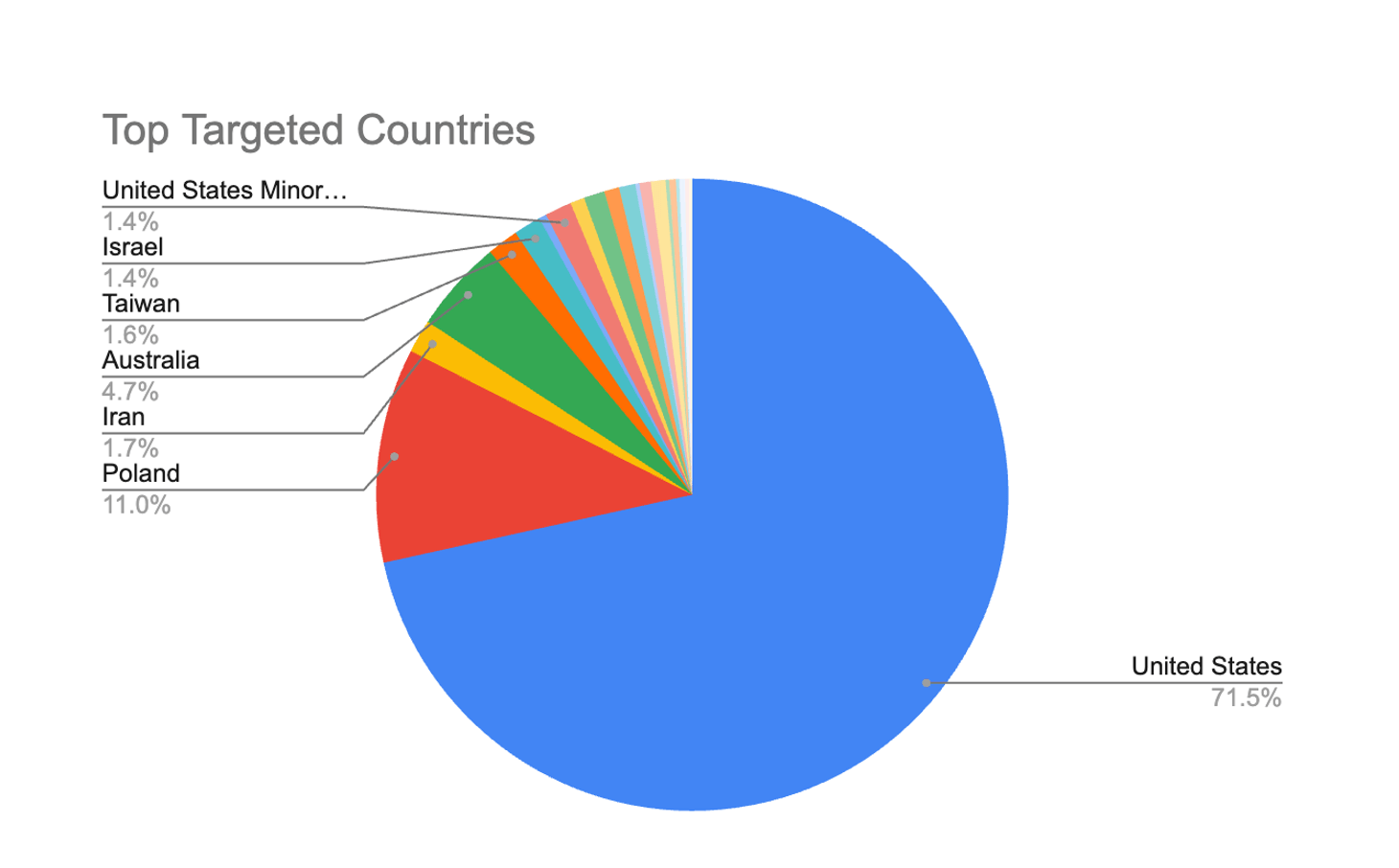
  • Over 140,000 attack attempts, targeting 21 countries globally. Almost 75% of attacks target US-based sites, followed by Poland.

Screenshot 2026 01 26 at 11.24.24 AM

  • Attacks from 9 source countries.

Screenshot 2026 01 26 at 11.24.37 AM

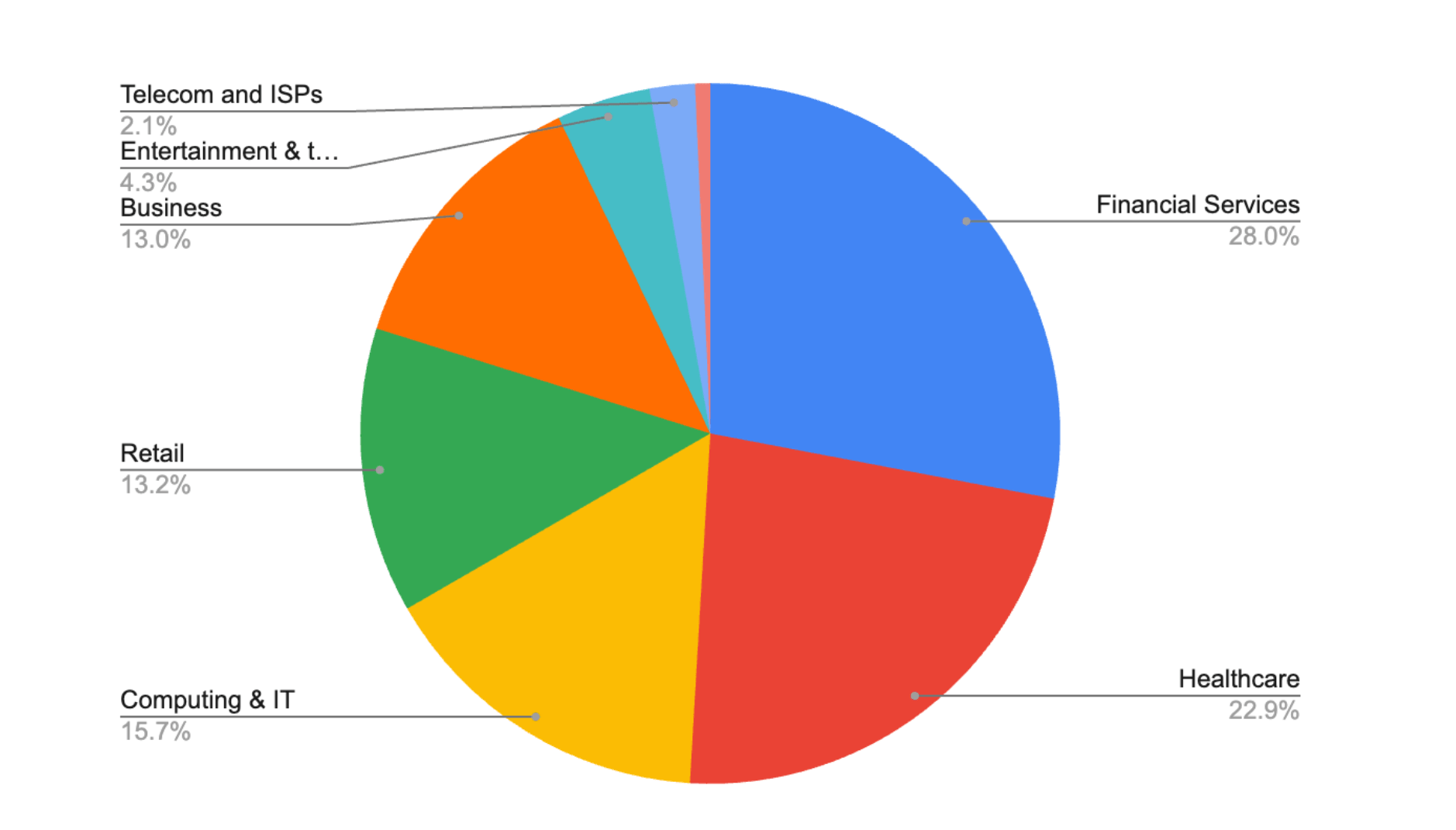
  • Attacks targeting sites across 18 industries, primarily Computing and IT.

Screenshot 2026 01 26 at 11.24.56 AM

Mitigation and Protection

The definitive remediation for CVE-2026-21962 is applying Oracle’s January 2026 Critical Patch Update for all affected versions. Administrators should prioritize this patch given the severity of the issue.

Imperva customers using both CWAF and WAF Gateway are protected out-of-the-box.

Conclusion

CVE-2026-21962 represents a critical perimeter security risk for organizations running Oracle HTTP Server and WebLogic Proxy Plug-in components. Its combination of unauthenticated access, low attack complexity, and maximum CVSS rating makes it a high-priority patching and detection concern.

Imperva customers are protected against exploitation techniques associated with this vulnerability through our web application firewall and advanced HTTP traffic inspection capabilities. For any Oracle HTTP Server and WebLogic Proxy Plug-in users still running legacy proxy deployments, we strongly advise accelerating patch deployment and reviewing exposure based on your internal telemetry.

Β 

The post Imperva Customers Protected Against CVE-2026-21962 in Oracle HTTP and WebLogic appeared first on Blog.

Received β€” 11 January 2026 ⏭ Imperva Cyber Security Blog

Black Friday 2025 in Review: What Retailers Need to Know About This Year’s Holiday Shopping Season

17 December 2025 at 17:11

Holiday shopping season is in full swing, and Black Friday 2025 continued to demonstrate that consumer demand and attacker activity shows no signs of slowing. According to Adobe Analytics, U.S. consumers spent $11.8 billion online on Black Friday, setting a new record and highlighting sustained strength in online shopping. Yet behind this surge in legitimate traffic, retailers also faced a sharp rise in automated abuse, account takeover attempts, and reconnaissance across their digital storefronts.

This post breaks down what we saw across our network during the Black Friday period, including traffic trends, attack behavior, targeted geographies, and insights retailers can apply to strengthen their defenses ahead of the holiday home stretch.

What We Saw

Massive Traffic Surges Extending Past Black Friday

Retail traffic surged 37% above November averages, peaking on Black Friday but continuing into the weekend of November 29–30. Traditionally, traffic dips slightly on Saturday before building again on Cyber Monday, but this year showed a clear shift: shoppers kept buying throughout the weekend. This aligns with broader retail trends showing consumers taking advantage of longer promotional windows rather than concentrating purchases on a single day.

Screenshot 2025 12 17 at 7.35.56 AM

For retailers, this means the β€œpeak” period is expanding- and with it, the window of exposure to cyber threats.

Bot Attacks Rose 50%, Focused on High-Value Workflows

Alongside legitimate traffic, bot attacks on retail sites spiked 50% over the November average. The timing closely tracked promotional activity, suggesting attackers were attempting to exploit increased consumer volume to blend in and avoid detection.

Screenshot 2025 12 17 at 7.38.25 AM

Broadly, these bots targeted:

  • Authentication and account flows (e.g., /login)
  • Inventory and product data endpoints (e.g., /datastore, /event/)
  • Transaction and application paths (e.g., credit-card application flows, lottery/promotion services, and user log endpoints)

This behavior reflects typical seasonal abuse campaigns: credential stuffing to hijack accounts, automated scraping to gain pricing or inventory intelligence, and attempts to manipulate promotions or loyalty flows.

Attacks Concentrated on the US, UK, and Australia

Malicious traffic during Black Friday was heavily concentrated in three markets: the US (46%), Australia (12%), and the UK (11%). These regions represent some of the world’s most active e-commerce ecosystems, and attackers mirrored legitimate consumer behavior by focusing on markets with the highest transaction volumes and promotional activity.

Screenshot 2025 12 17 at 7.38.33 AM

The US, in particular, drew nearly half of all observed attacks, consistent with its dominant share of global Black Friday spending. Australia and the UK followed, reflecting strong regional participation in holiday sales events and an attacker strategy aimed at exploiting high-demand markets where automated activity can more easily blend in with legitimate traffic.

Screenshot 2025 12 17 at 7.38.48 AM

For retailers operating in these geographies, the data underscores the importance of region-aware threat monitoring and the need to maintain heightened vigilance throughout the extended holiday weekend.

Attack Patterns Reveal Automation, ATO Prep, and Abuse at Scale

Based on attacker activity observed over the holiday shopping weekend, several clear patterns emerged, showing a mix of high-volume automation, credential-based attacks, and spam and proxy abuse. Overall, the attack data suggests that adversaries were focused on the following behaviors:

1. Heavy Use of Known Bad Bots and Automated Browsers

A significant portion of malicious traffic came from known automated frameworks, including headless browsers and scripted tools designed to mimic real users. This type of activity typically supports:

  • Large-scale login attempts
  • Price, inventory, or content scraping
  • Testing of checkout, promotion, and product pages for weaknesses

Attackers were industrializing their activity using automation that can rapidly adapt during peak events.

2. Preparing and Executing Account Takeover (ATO)

We observed high levels of activity associated with login reconnaissance and credential-testing behavior, indicating attempts to stage or execute ATO. Attackers were:

  • Testing large volumes of username/password combinations
  • Probing login endpoints to identify which attempts were blocked, challenged, or allowed
  • Taking advantage of elevated holiday traffic to blend their activity into normal user patterns

This aligns with typical seasonal fraud behavior, where attackers target stored payment methods, loyalty balances, and customer identities.

3. Evading Detection Through Proxies and Client Impersonation

A large volume of traffic originated from anonymous proxies, VPNs, and other anonymization services, combined with indicators of client spoofing meant to disguise automation. Attackers were:

  • Rapidly rotating IP addresses
  • Using advanced bots, attempting to masquerade as legitimate browsers
  • Using more simple bots, which use fingerprints or user agents that fell outside normal human patterns

In response, much of this traffic triggered JavaScript challenges or CAPTCHA enforcement, forcing suspicious clients to prove they were human.

4. Abusing Forms and Content Channels for Spam

We also observed activity consistent with comment spam, referrer manipulation, and other low-effort abuse aimed at exploiting retail sites as platforms for unwanted advertising or redirection. This typically includes:

  • Submitting spam content through comment or feedback forms
  • Inserting malicious or low-quality URLs via referrer fields
  • Attempting to poison analytics or direct traffic elsewhere

While not as immediately damaging as ATO, these campaigns can harm site performance, customer trust, and brand analytics.

What This Means for Retailers

Black Friday 2025 reinforced several themes:

  1. The peak holiday season is widening.
    High traffic persisted later into the weekend than in prior years. Retailers should consider extending peak staffing and monitoring coverage accordingly.
  2. Attackers are increasingly using shopper traffic as camouflage.
    Surges in human activity closely mirror surges in automated abuse. Retailers need strong bot detection, fingerprinting, and behavioral analysisβ€”not just rate limiting.
  3. API security is now as important as web application security.
    Many of the top targeted URLs were APIs tied to data, personalization, or analytics. These endpoints often sit behind the UI and may not receive the same scrutiny as consumer-facing pages.
  4. Geographic targeting is aligned with opportunity.
    The US, Australia, and UK remain prime markets for both legitimate and malicious traffic. Retailers serving these regions must expect elevated attack pressure during every promotional period.

Conclusion

This year’s Black Friday illustrated both consumer resilience and the evolving sophistication of attackers. Retailers saw new sales records, and attackers took advantage of the same moment to blend in, scale operations, and probe for weaknesses.

As the holiday season continues, retailers should ensure that defenses are calibrated for:

  • Sustained high traffic (not just one peak day)
  • Increased bot sophistication
  • ATO protection
  • Region-specific targeting aligned with revenue hotspots

By understanding the patterns we saw during Black Friday, retailers can prepare for the continued wave of holiday traffic and ensure a safer, smoother experience for their customers through the end of the year.

The post Black Friday 2025 in Review: What Retailers Need to Know About This Year’s Holiday Shopping Season appeared first on Blog.

❌